 BHUTAN
Who it suits
Fit walkers comfortable with consecutive camp nights, long mountain days, cold evenings and uneven ground. Previous multi-day hiking helps; technical climbing is not required.
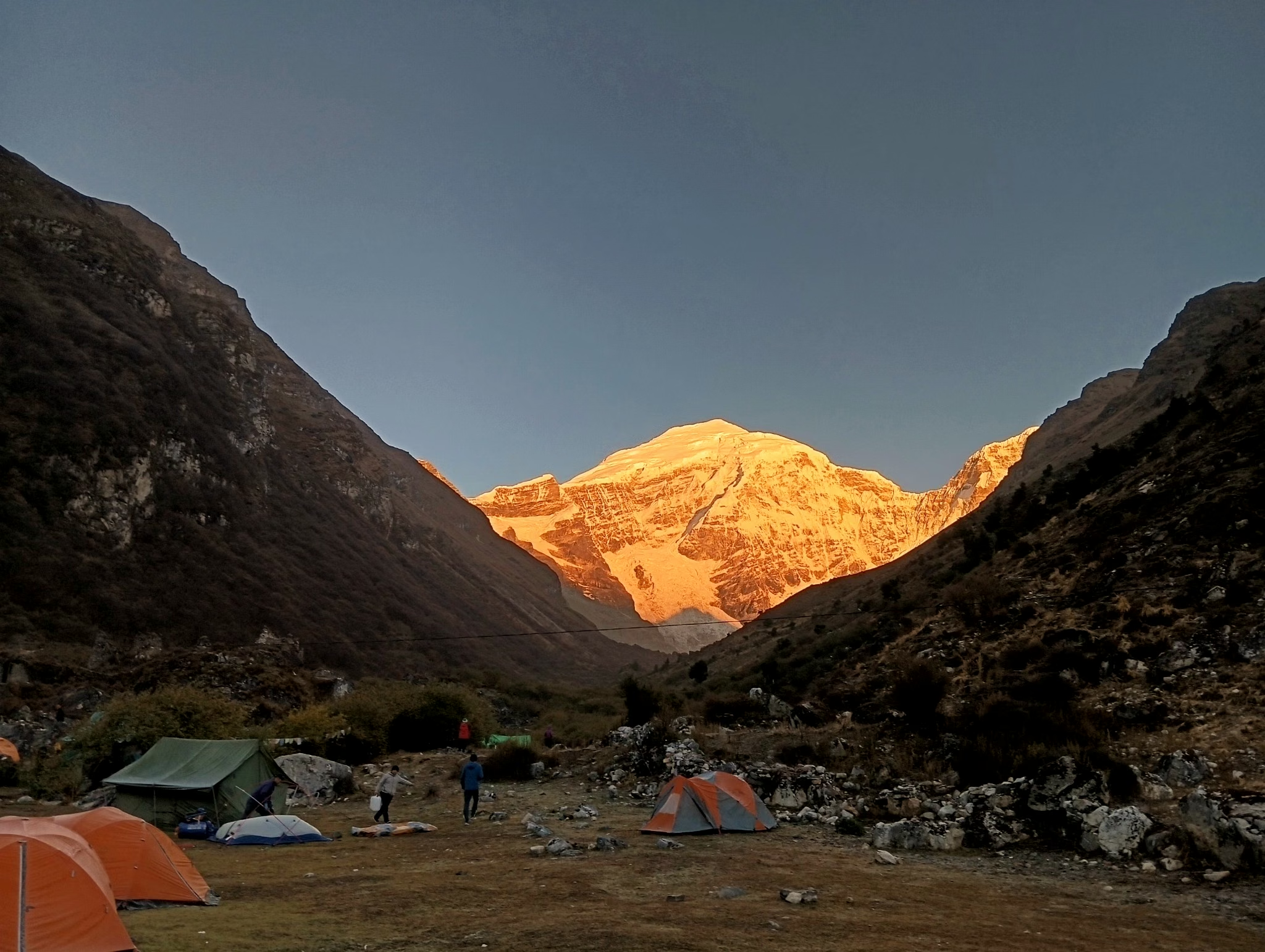
Private high-altitude Bhutan trek · 13 days
Five nights under canvas beneath Jomolhari—crossing Bonte La, looping through Soi Yaksa and Thombu, then recovering properly before Bhutan’s cultural valleys.
The journey in one thought
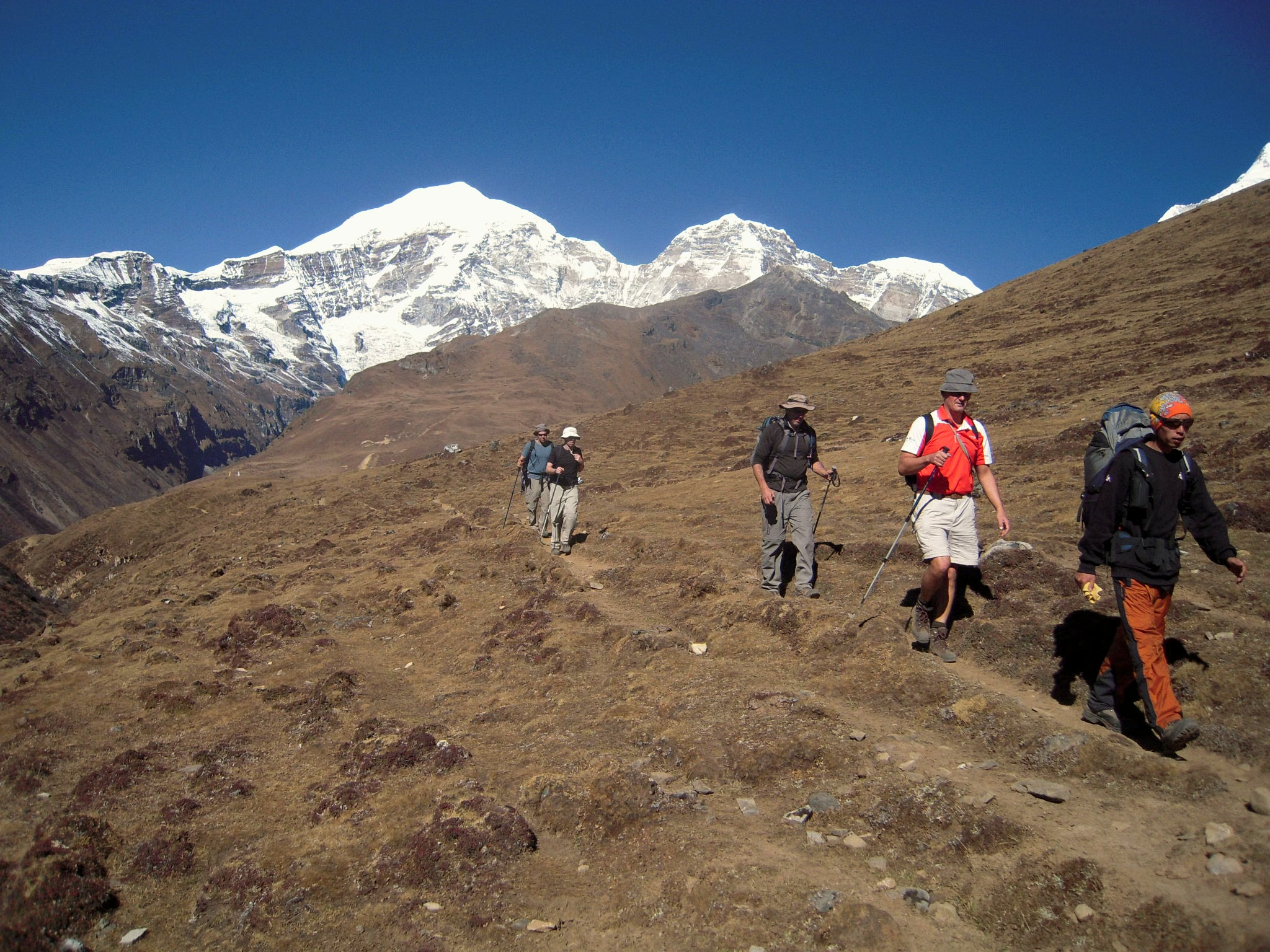
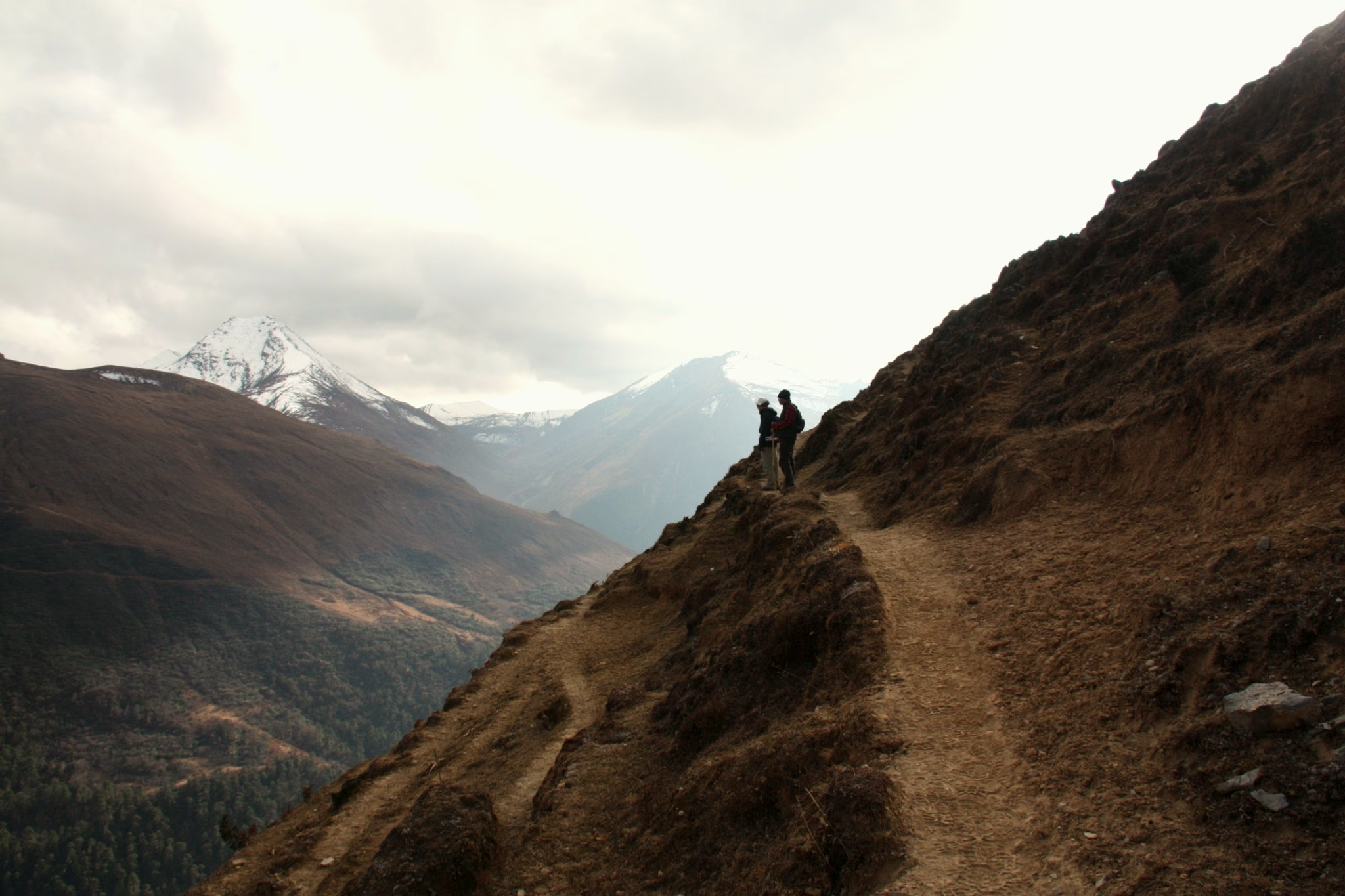
For five nights the journey leaves the road behind. The trail follows the Pa Chhu into high yak country, protects two nights at Jangothang beneath Mount Jomolhari, then turns across Tshophu and Bonte La into the quieter Soi Yaksa and Thombu valleys.
Raven does not treat acclimatisation or recovery as spare time. Jangothang’s second night prepares the body for the highest stage; the full Paro day after the trek protects tired legs before Thimphu and Punakha begin.
Fit walkers comfortable with consecutive camp nights, long mountain days, cold evenings and uneven ground. Previous multi-day hiking helps; technical climbing is not required.
Five supported camp nights, three high passes and roughly 81 km across the five moving mountain stages, plus a protected acclimatisation day at Jangothang.
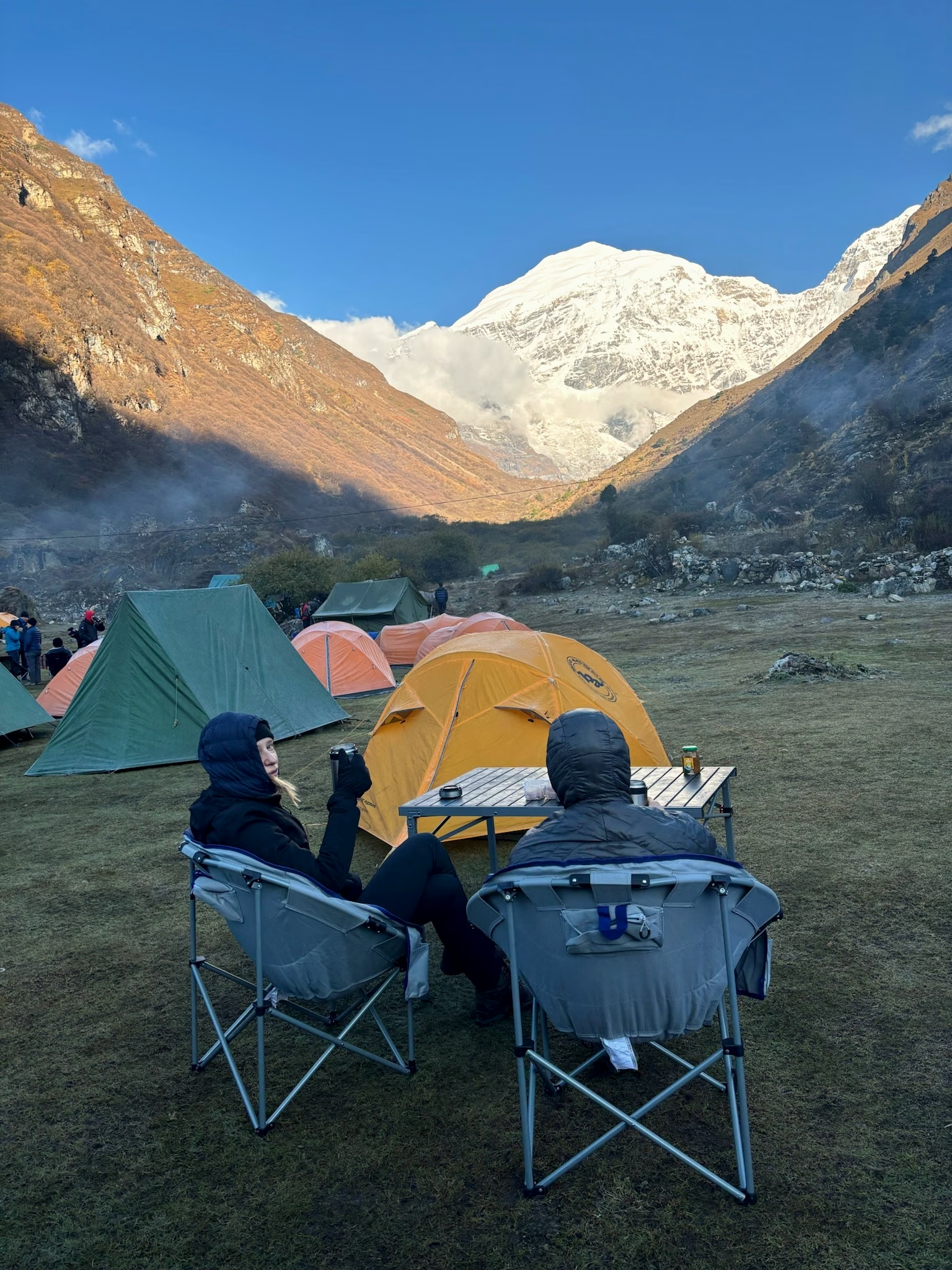
Well supported but genuinely remote: tents in the wind, changing weather, hot meals from the camp kitchen and long stretches beyond road access.
The story of the journey
The mountain section has its own rhythm: acclimatise, cross the passes, let the camp team work—and recover properly when the trail ends.
The route, before the detail
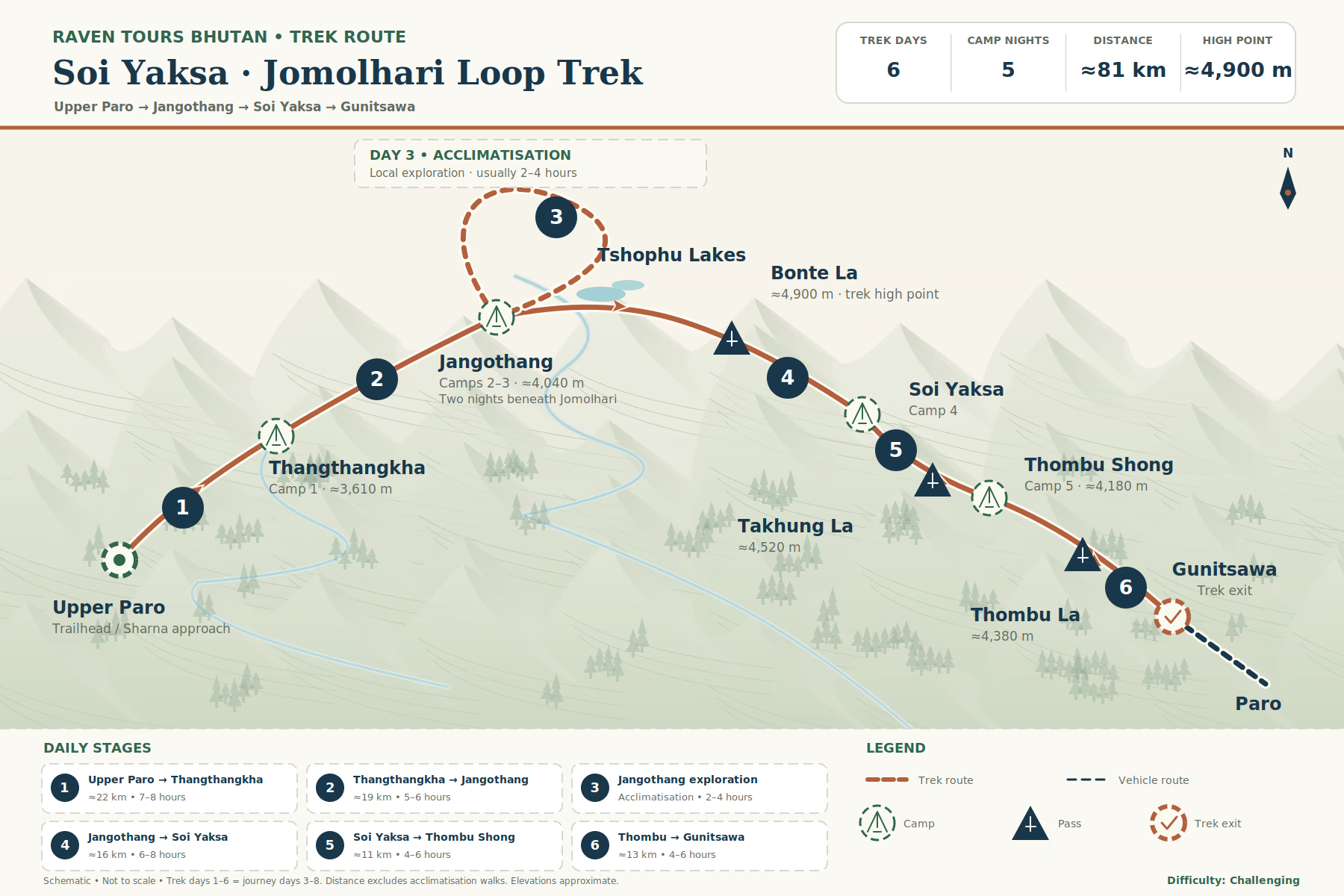
Five supported camp nights, two nights at Jangothang and three high passes shape the mountain section.
Day by day
Mountain stages follow altitude, daylight, trail and weather. Once back in Paro, the pace changes deliberately to recovery before the cultural journey continues.
Paro
Land in Paro and keep the first day deliberately light. Settle into the valley, take a gentle walk only if it feels good, then meet your trekking guide to review boots, layers, daypack, duffel and the mountain plan before an early night.
Paro
Walk to Tiger’s Nest at a steady private pace. Beyond its spiritual importance, the hike is a useful check of footwear, pacing and recovery before the supported trek begins. Return to Paro for an early dinner and final luggage handover.
Upper Paro trailhead → Thangthangkha
Drive into upper Paro, meet the horsemen and camp team, then begin the longest distance stage through conifer and rhododendron forest beside the Pa Chhu. The day ends at Thangthangkha, where the first supported camp is waiting.
Thangthangkha → Jangothang
Continue up-valley through Soe and Dangochang as woodland thins into alpine pasture and herders’ settlements. Jangothang appears beneath the great peaks for the first of two nights—an arrival worth taking slowly.
Jangothang
Keep the camp at roughly 4,040 metres and use the day for a gradual 2–4 hour exploration chosen around weather, snow and how everyone is adapting. The second night here is protected; it is preparation for Bonte La, not spare time.
Jangothang → Tshophu → Bonte La → Soi Yaksa
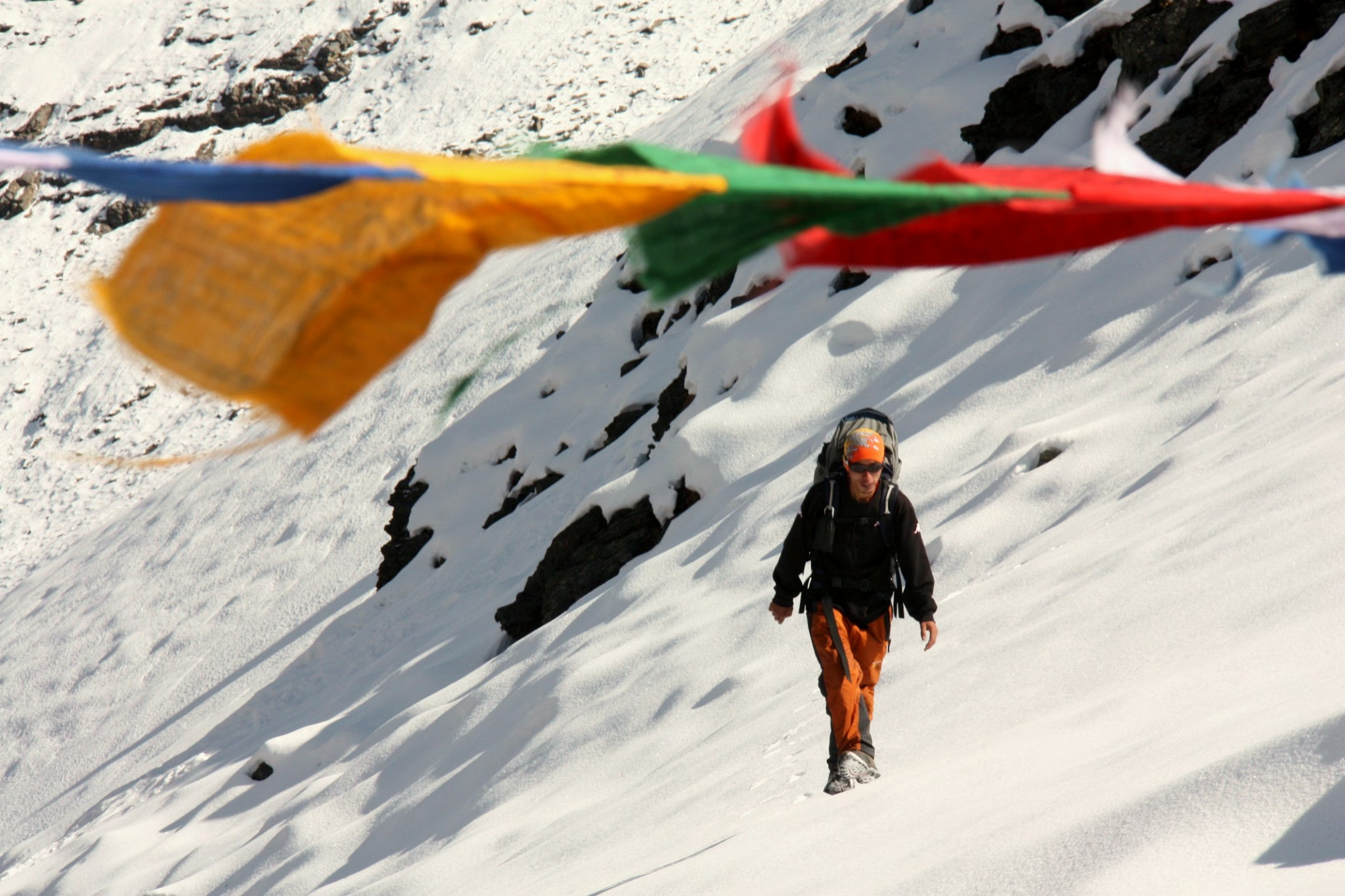
Climb towards the Tshophu Lakes, then continue to Bonte La, the route’s highest point at approximately 4,900 metres. The descent into Soi Yaksa is long and substantial; landscape and weather set the pace, not a target arrival time.
Soi Yaksa → Takhung La → Thombu Shong
Leave Soi Yaksa through forest and grazing country, climbing towards Takhung La. A detour towards Sey Dzong is considered only when weather, trail, daylight and the group’s pace make it sensible. Camp among the Thombu pastures.
Thombu Shong → Thombu La → Gunitsawa → Paro
Cross Thombu La before the trail commits to a long forest descent towards Gunitsawa. Rejoin the vehicle in upper Paro, thank the mountain team and return to a hotel—where a bed, hot water and stillness feel deserved.
Paro
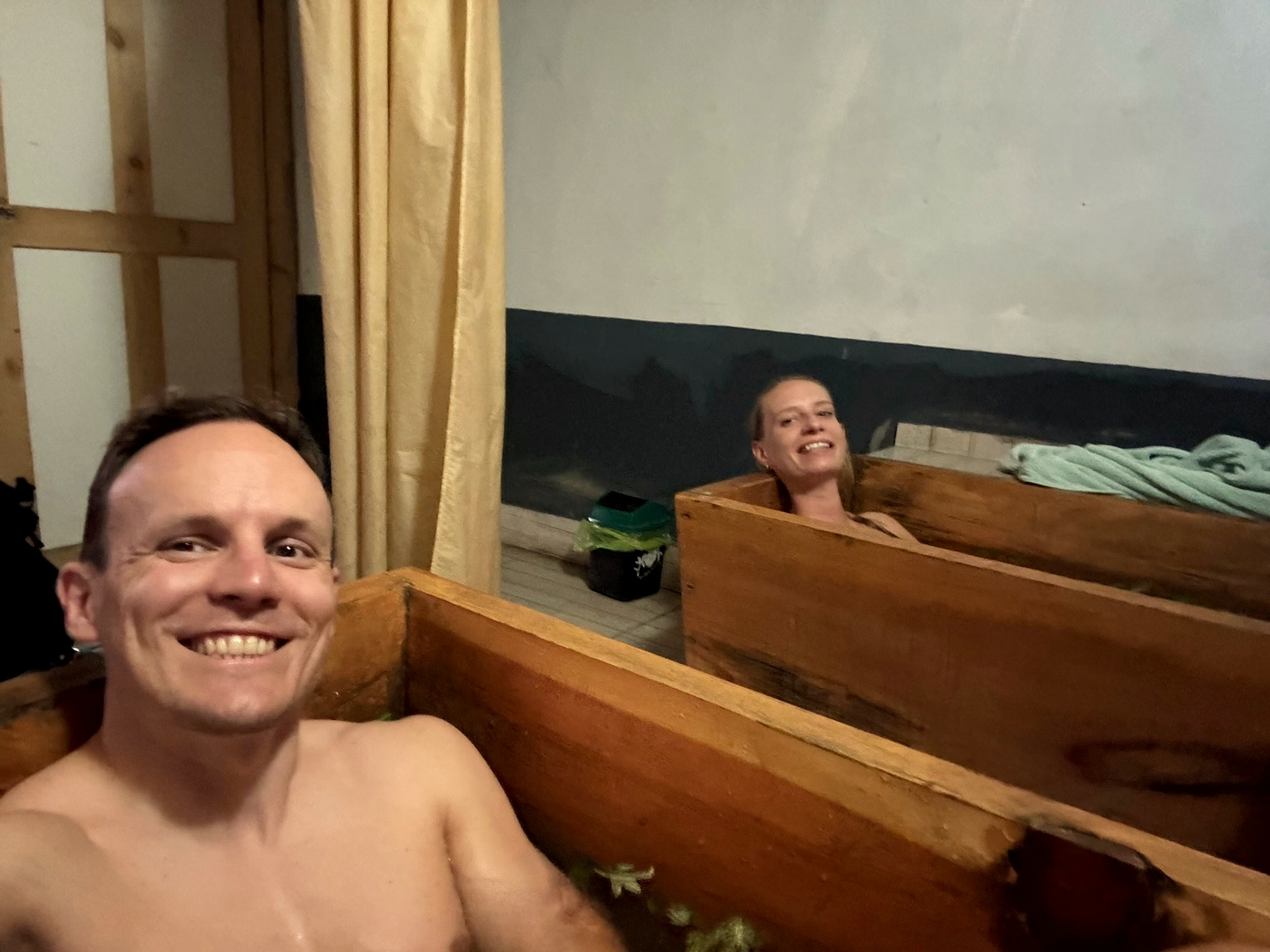
No major hike and no long road journey. Sleep late, choose a hot stone bath, massage, farmhouse lunch, sacred-art encounter or easy riverside walk—or do nothing at all. This is part of the trek design, not an empty day.
Paro → Thimphu
Travel to Thimphu after the body has had a full day to settle. Choose one or two light experiences around living arts, the market, cafés, the Takin Preserve or an optional short Wangditse forest walk rather than rebuilding a sightseeing list.
Thimphu → Dochula → Punakha
Cross Dochula into warmer Punakha, visit the riverside dzong and continue to Neyzergang for tree planting, butter lamps and time with Raven’s monastery community. The day remains gentle after the trek.
Punakha → Paro
Walk through farmland towards Khamsum Yulley Namgyal Chorten. After descending, choose private rafting or a slower riverside lunch according to water conditions and energy, then return to Paro for the final night.
Paro → Departure
After breakfast, transfer privately to Paro International Airport. The journey closes with the trail completed, proper recovery behind you and the cultural valleys experienced without asking the body to rush.
Why Raven designed it this way
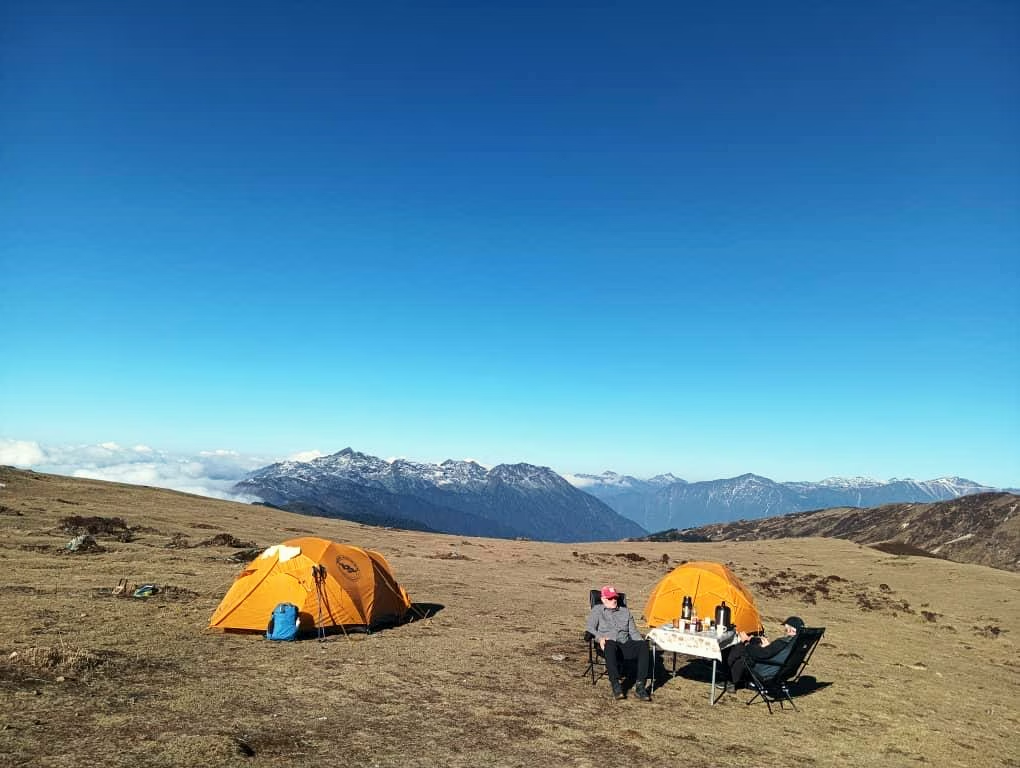
For five mountain nights, comfort comes from a good system rather than hotel stars: an experienced trekking guide, hot meals from the camp kitchen, a warm sleeping setup and a team that moves the overnight load while you carry a daypack.
Raven also protects acclimatisation and recovery. Snow, river levels, trail condition, animal welfare or altitude can change the route or timing, and the mountain guide has final authority when safety requires a different decision.
Where you may stay
The mountain section is fully supported under canvas; the hotel nights before and after it are chosen for readiness, recovery and location. Raven confirms exact camps, properties and room categories only after route, season and availability checks.
Camp locations are approximate and may shift with water, snow, grazing activity, trail conditions and the judgement of the trekking team.
Read Raven’s approach to staysPractical clarity
Your private proposal confirms permits, camp support, luggage allowance, hotel nights, meals, recovery arrangements and the applicable Sustainable Development Fee.
Included in the journey
Not normally included
Optional extensions
Add a second exploration night at Jangothang, spend one or two nights in Haa before the trek for more gradual preparation, or extend the post-trek recovery with a monastery or wellness stay in Paro or Punakha.
Questions before you travel
The final mountain plan is personal, but these answers explain the decisions that matter most on the Soi Yaksa loop.
Soi Yaksa, sometimes written Soe Yaksa, is a commonly used name for this Jomolhari loop variant. It follows the upper Paro approach to Jangothang, then turns across Tshophu and Bonte La and returns through Soi Yaksa and Thombu rather than continuing towards Lingzhi.
There is no technical climbing, but it is the defining high-altitude stage: about 16 km, usually 6–8 hours, with roughly 810 metres of ascent, 1,090 metres of descent and a highest point around 4,900 metres. Weather and snow can make it more serious.
Jangothang sits at roughly 4,040 metres. The second night gives the body more time to adapt before the much higher Bonte La stage and gives the trekking guide a better opportunity to assess how everyone is responding to altitude.
Raven provides the trekking guide and mountain support team, sleeping tents and warm sleeping system, camp dining and toilet arrangements, freshly cooked meals, hot drinks, filtered water and pack-animal support for the main overnight load. Guests normally walk with a daypack.
The route is never treated as more important than safety. The trekking guide may slow the day, hold at camp, descend, turn back or change the route when altitude symptoms, snow, river levels, trail condition or other mountain circumstances require it.
Bhutan’s official tourism guidance lists May, June, September, October and November for the Jomolhari Loop. Raven normally plans this journey for May–June and late September–November, with any fringe-season departure checked carefully against snow and trail conditions.
Bhutan no longer makes travel insurance mandatory, but it is strongly recommended. For a high-altitude trek, Raven recommends a policy appropriate to the highest planned trekking altitude and covering medical treatment, trip interruption and emergency evacuation.
Your journey starts with a conversation
Share your trekking experience, altitude history, preferred camp comfort, dietary needs and dates. Raven will shape the final Soi Yaksa journey privately around your party.
Begin a private conversation