 BHUTAN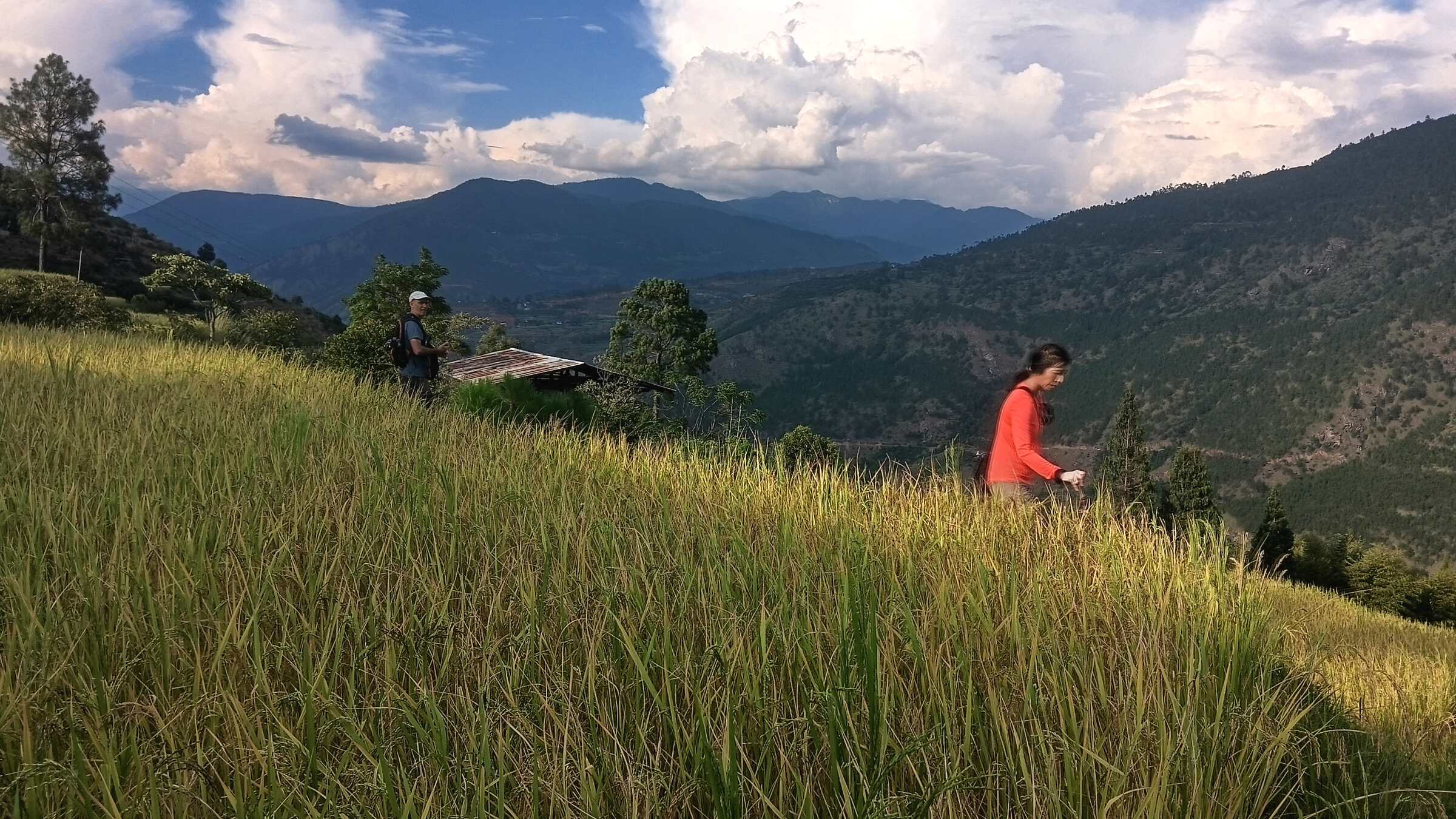
For most first-time visitors, seven to ten nights is the most satisfying amount of time in Bhutan. Five nights can work when the route is selective. Ten to fourteen nights allows greater depth, central Bhutan or a slower journey. Fifteen nights or more begins to make eastern Bhutan, longer treks and specialist journeys practical.
The right answer is not simply a number. Bhutan’s mountain roads, changing altitudes and distinct valleys mean that a route which looks short on a map can still occupy much of a day. The aim is to decide how much of the country you can experience well—not how many place names can fit into an itinerary.
The short answer: how long should a Bhutan trip be?
- Five nights: a focused introduction to western Bhutan, with clear priorities and very little room for unnecessary detours.
- Seven nights: the strongest starting point for many first-time visitors, combining several western valleys without moving hotel every night.
- Ten to twelve nights: time for deeper experiences, longer stays and a route shaped around walking, food, wellness, spiritual life or rural Bhutan.
- Thirteen to fourteen nights: a more complete journey with room for central Bhutan, a festival or a genuinely slower pace.
- Fifteen nights or more: best for eastern Bhutan, multi-day trekking, specialist photography or a journey with several distinct phases.
These are planning ranges, not fixed packages. Raven’s private Bhutan journeys are starting points that we reshape around the traveller, season and available nights.
↑ Back to contentsCount nights—not only calendar days
International flight timings can make an arrival or departure day shorter than expected. A six-day trip may therefore provide only four or five useful touring days. Before comparing itineraries, count the nights in Bhutan and look carefully at where the longer road sectors fall.
Bhutan also rewards changing altitude gradually. An itinerary that protects time to settle in, walk at a comfortable pace and recover between active days usually feels richer than one that adds another valley simply because it is geographically possible.
Domestic flights can sometimes shorten a long route to or from Bumthang or eastern Bhutan, but schedules and weather still need to be considered. Our Bhutan Travel Guide explains the wider practical context for planning flights, seasons and travel within the country.
↑ Back to contentsFive nights: choose one clear version of Bhutan
A short visit can be excellent, but it should not pretend to cover the country. In five nights, Raven would normally keep the journey within western Bhutan and protect the experiences that matter most to you.
That may mean Paro, Thimphu and Punakha; or a quieter combination built around Haa, gentle walking, food and local life. If Tiger’s Nest is important, it needs most of a day and should be allowed to shape the route. If it is not your priority, that time can become a village walk, monastery visit, craft encounter or unhurried day in Paro.
The usual mistake is a chain of one-night stops. On a short journey, removing a valley is almost always better than shortening every valley.
↑ Back to contentsSeven nights: the best first journey for many travellers
A week in Bhutan creates noticeably more breathing room. It is often enough to combine Paro, Thimphu and Punakha, with the possibility of Phobjikha or another carefully chosen extension when the pace and season support it.
More importantly, seven nights can protect complete days. There is time to walk, meet people, enjoy a property, change the plan when the weather shifts or stay longer when an encounter becomes interesting. You should not need to begin every morning by packing.
For travellers who want a meaningful first visit but cannot take a long holiday, this is usually Raven’s most balanced recommendation.
↑ Back to contents
Ten to twelve nights: use the extra time for depth
With ten to twelve nights, the journey does not need to become a longer sightseeing list. Extra time can create two- and three-night stays, a restorative afternoon, a private hike, a farmhouse meal, monastery time or one excellent property that is actually enjoyed rather than used only for sleeping.
This is also where Haa, Phobjikha, Bumthang or a festival can begin to fit more naturally, depending on routing. The important decision is whether to use the time for additional geography or a deeper experience of fewer valleys.
Raven will often recommend a mixture: enough movement to show Bhutan’s variety, followed by slower stretches where the journey can settle. Browse our Signature Experiences for examples of what those days may include. They are possibilities to weave into a private itinerary, not compulsory add-ons.
↑ Back to contentsThirteen to fourteen nights: central Bhutan without rushing
Two weeks opens more of the country while still allowing the route to breathe. Bumthang becomes much easier to include well, whether reached overland, by domestic flight or through a combination of both. A festival journey can be designed around the event rather than forcing it into an ordinary tour.
This length also suits guests who want contrasting styles of travel: active days followed by wellness; western highlights followed by quieter rural valleys; or refined hotels balanced by a simple character stay. Raven’s approach to where we stay explains why location, character and time to enjoy a property often matter more than its star rating.
For many travellers, fourteen nights is not about seeing everything. It is about no longer having to choose between range and depth at every stage.
↑ Back to contentsFifteen nights and beyond: when Bhutan opens further
Longer journeys make east–west travel, eastern Bhutan, multi-day trekking and more specialist interests practical. They can also support a gradual rhythm: culture and acclimatisation first, a trek or active phase in the middle, then recovery and reflection before departure.
More time does not automatically mean more hotels. A long itinerary filled with daily moves can be more tiring than a carefully designed week. The same rule still applies: each overnight should earn its place.
↑ Back to contentsWhat can change the number of days you need?
Your activity level. Several hikes require recovery time and flexibility. Travellers new to altitude may prefer a gentler first few days rather than placing the hardest walk immediately after arrival.
Festivals and fixed dates. A festival can determine where you need to be on a particular day. The itinerary should then be built around it, with nearby accommodation and a quieter day before or after.
Season and weather. Bhutan can be visited throughout the year, but mountain weather and summer rain can influence visibility, road conditions and walking plans. Flexible time becomes especially valuable when the journey depends on a particular hike or flight.
Wellness and property time. If you are choosing a special lodge for its spa, view, garden or privacy, give yourself time to enjoy it. Paying for an exceptional stay while remaining outside from dawn until dinner defeats much of its purpose.
Children, older travellers and mixed abilities. Families and multi-generational groups often enjoy Bhutan more with fewer hotel changes, shorter active days and alternatives that allow everyone to participate comfortably.
Your reason for travelling. Photography, birding, textiles, food, Buddhist culture and trekking all create different ideal routes. A specialist journey needs space for the interest itself, not merely the standard route with another activity added.
↑ Back to contentsDoes Tiger’s Nest determine the length of the trip?
Tiger’s Nest is extraordinary, but it is a choice—not a compulsory test of whether you have experienced Bhutan. For guests who want the hike, Raven normally protects most of a day and often places it later in the journey, once the traveller has adjusted to the altitude and found a comfortable walking rhythm.
If you do not want the full climb, we do not simply remove a day. Paro and the surrounding valleys offer gentler walks, monasteries, local meals, craft, wellness and countryside that can be more meaningful for a particular traveller.
↑ Back to contentsRaven’s planning rule
We begin with the number of nights you genuinely have, the pace you enjoy and the experiences that would make the journey yours. Then we protect the quality of those days.
If the route becomes too busy, we remove a region before shaving time from every valley. Five well-designed nights can be better than seven rushed ones. Ten thoughtful nights can feel more varied than fourteen spent chasing a map.
If you tell us how much time you have, what matters most and how active you want to be, we will give you an honest recommendation—even when that means suggesting less. Start a conversation with Raven and we will shape the right amount of Bhutan around you.
↑ Back to contents