 BHUTAN
Depth over speed
Fewer hotel changes create room for walks, conversations and a day shaped by how you feel.
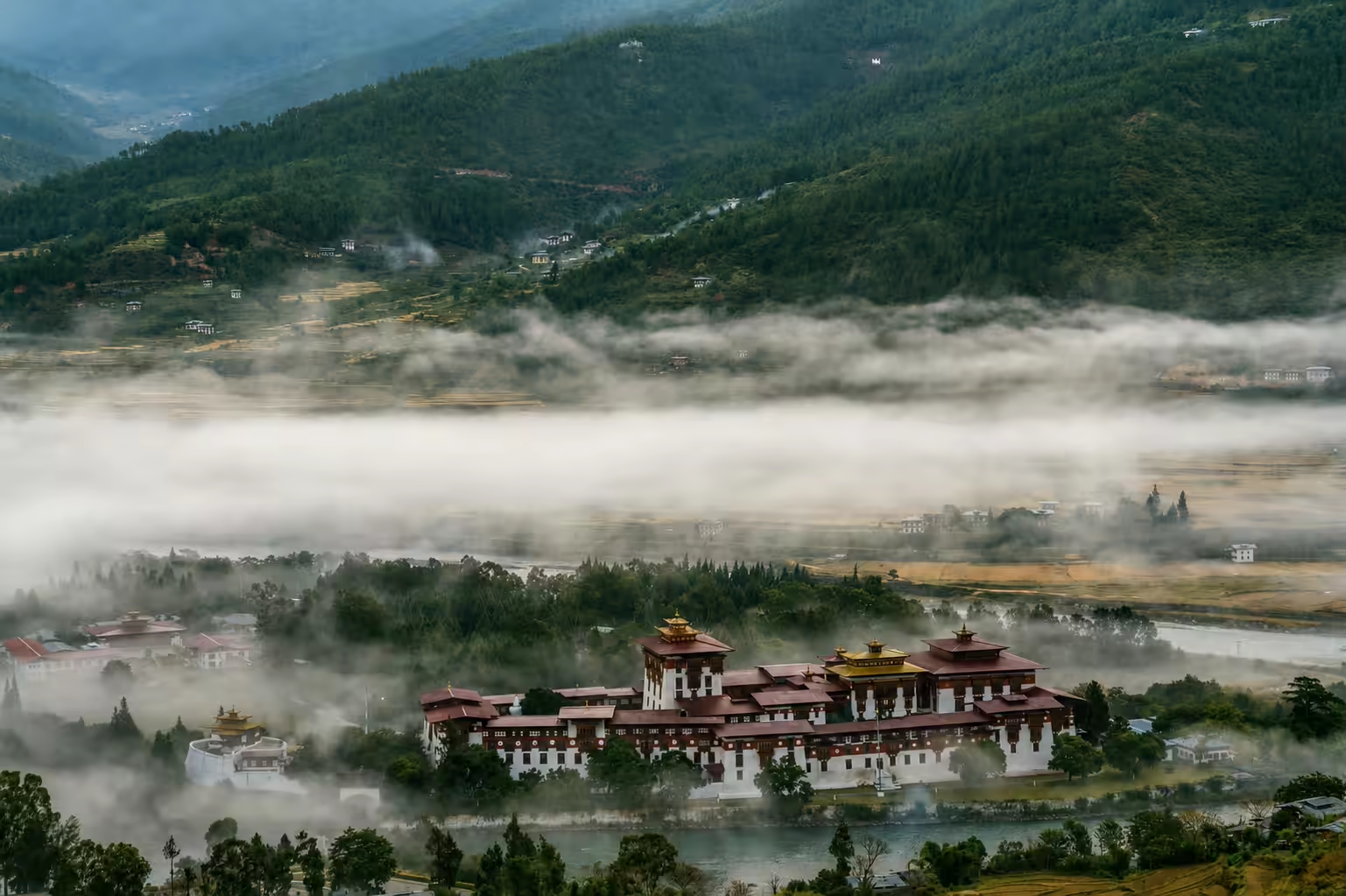
Bhutan, before you arrive
Bhutan rewards travellers who arrive with curiosity rather than a checklist. This is the honest context we believe helps a private journey feel calmer, richer and more meaningful.
Travel guidance last reviewed September 2026
Begin with an honest question
Bhutan is not difficult to visit, but it is different. Roads bend through mountain valleys, flights can respond to weather, ancient sites still function as places of worship, and the most memorable moments are often unplanned.
It suits travellers who value context, unhurried days and a guide who can interpret what they are seeing. Comfort matters, but so do flexibility, suitable footwear and a willingness to let one valley reveal itself before moving to the next.
Fewer hotel changes create room for walks, conversations and a day shaped by how you feel.
A knowledgeable local guide turns temples, farms, festivals and everyday encounters into a coherent story.
The right stay may be a refined hotel, a family-run lodge or a simple monastery room—chosen for the journey, not a label.
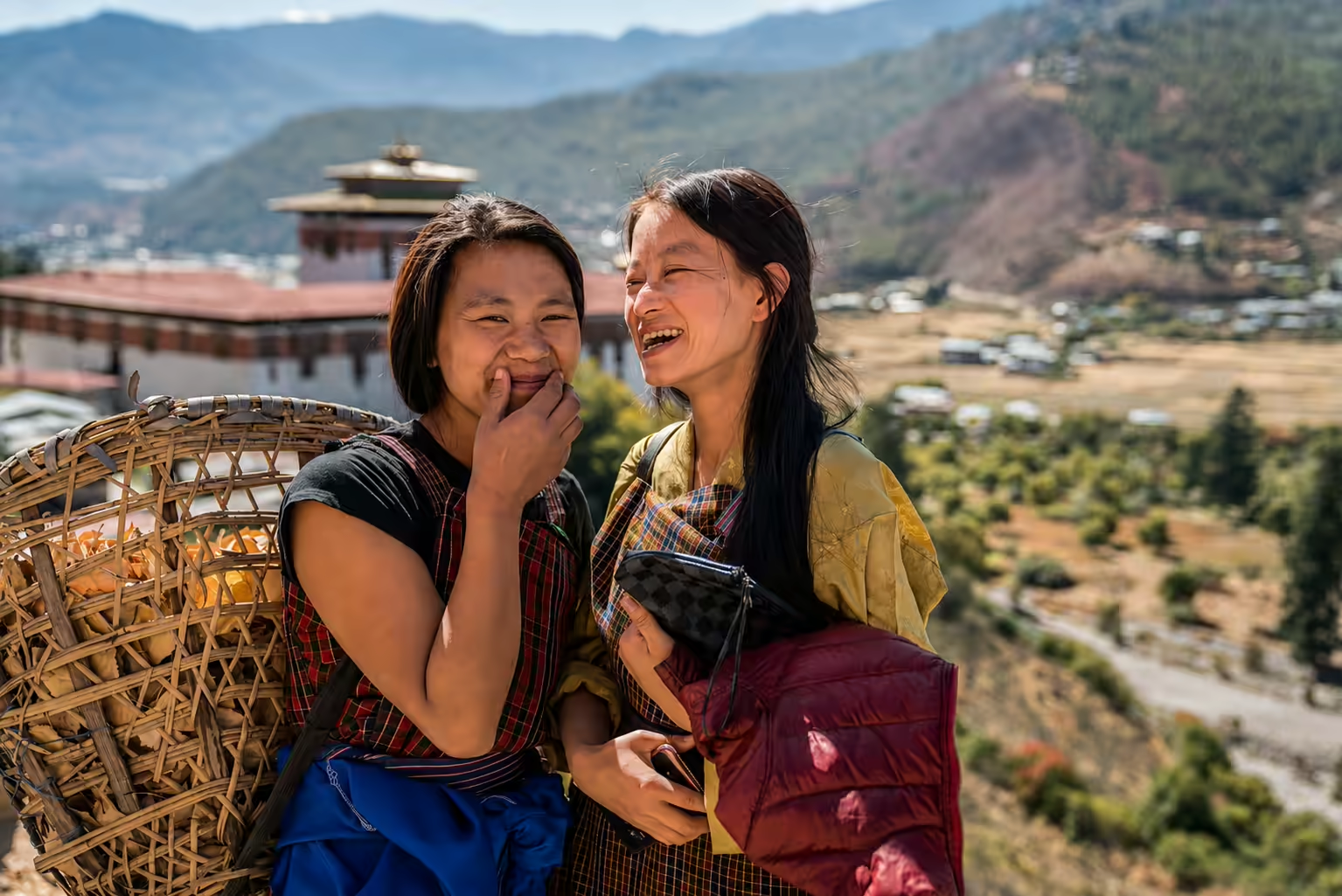
A living country
Bhutan is a Himalayan Buddhist kingdom and a constitutional democratic monarchy. Vajrayana Buddhism shapes its architecture, festivals and daily rhythm, while education, technology, migration and the ambitions of a young population continue to change how people live.
That balance matters. Bhutan is neither an untouched museum nor a simple story about happiness. A thoughtful visit makes space for both ritual and ordinary life: monks studying, families running businesses, young people debating their future, farmers adapting and towns growing.
The deeper current
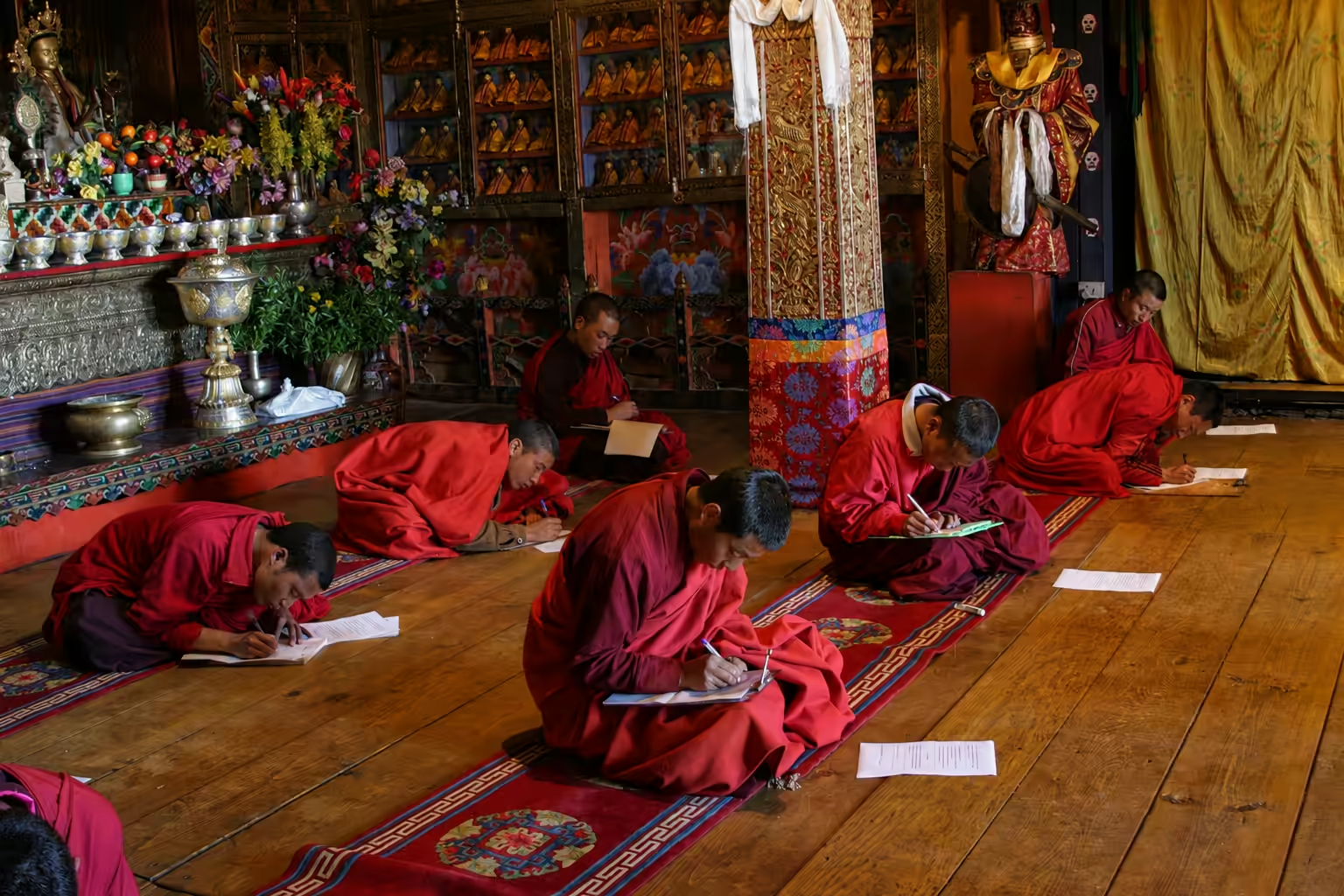
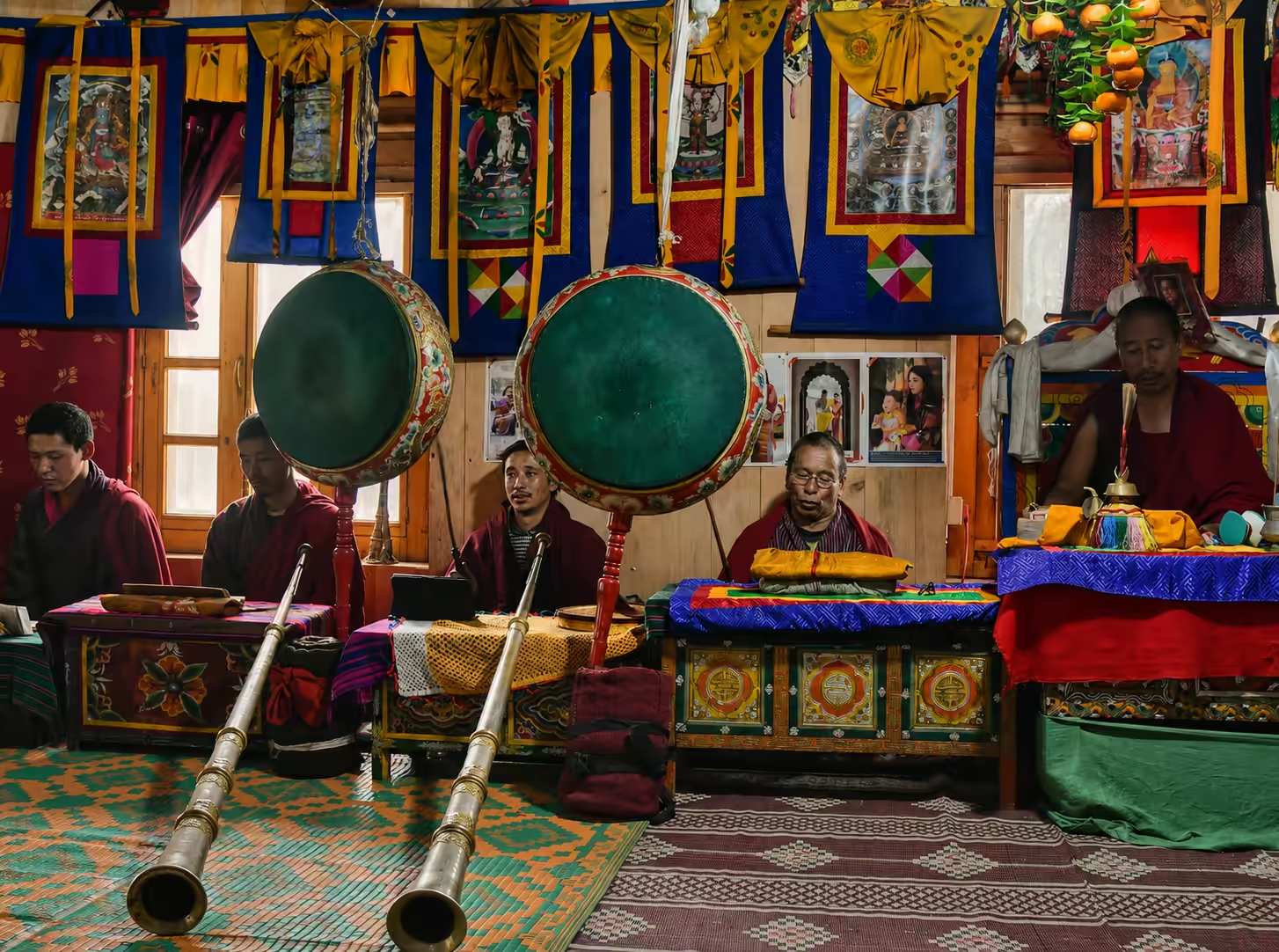
Monasteries and dzongs are not merely attractions. They are schools, administrative centres, places of prayer and part of the social fabric. Your guide can explain why a wheel turns clockwise, what a thangka depicts, when silence is appropriate and why a ritual cannot be hurried for a photograph.
The aim is not privileged access for its own sake. It is respectful understanding—sometimes through a formal teaching, sometimes over tea, and sometimes simply by observing without interrupting.
How visiting Bhutan works
There is a clear process, but it should not become the story of your journey.
Most international visitors need an approved visa before arrival. Indian visitors use a permit system. Raven can manage the application and confirm the correct current requirement for each passport.
Children receive age-based concessions, and Indian nationals have a separate rate. The fee supports Bhutan’s development and conservation priorities and is separate from your private journey cost.
We align flights, visa or permit, SDF, hotels, guide, vehicle and route. You receive a clear checklist and payment schedule rather than having to assemble the pieces alone.
Government policies and fees can change. These facts were reviewed in September 2026; Raven reconfirms them before every booking. Check the official Bhutan visa guidance.

Arrival and distance
Most travellers arrive by air in Paro. Flights are limited and operate in daylight, and mountain weather can affect schedules; generous international connections are wise. Overland entry is also possible through Phuentsholing, Samtse, Gelephu and Samdrup Jongkhar, depending on the route and current arrangements.
Once inside Bhutan, a modest distance may take several hours. Roads climb passes, follow rivers and cross changing elevations. We plan by realistic driving time, comfort stops and what is worth seeing en route—not by how many towns can be fitted into a day.
West, central or east
Bhutan changes by valley. A good route has a point of view, not simply a longer list of places.
Paro, Thimphu, Punakha and Haa can combine iconic architecture, village walks, contemporary life and strong hotel choices without excessive transit.
Gangtey, Trongsa and Bumthang reward extra time with broad landscapes, forest walks, family encounters and some of Bhutan’s oldest sacred sites.
Longer routes and overland connections can reveal distinct crafts, communities and subtropical landscapes. Access must be planned carefully around driving time and reliable entry or exit points.
When to travel
There is no single best season. There is the landscape, pace and atmosphere that best suit you.
Fresh growth, flowering hillsides and active festival calendars. Mountain views can vary as the season warms.
Lush valleys, farming life and fewer visitors. Rain is often episodic, while clouds and road conditions require flexibility.
Clearer skies, harvest colour and important festivals. Popular dates need earlier planning, especially in Paro and Thimphu.
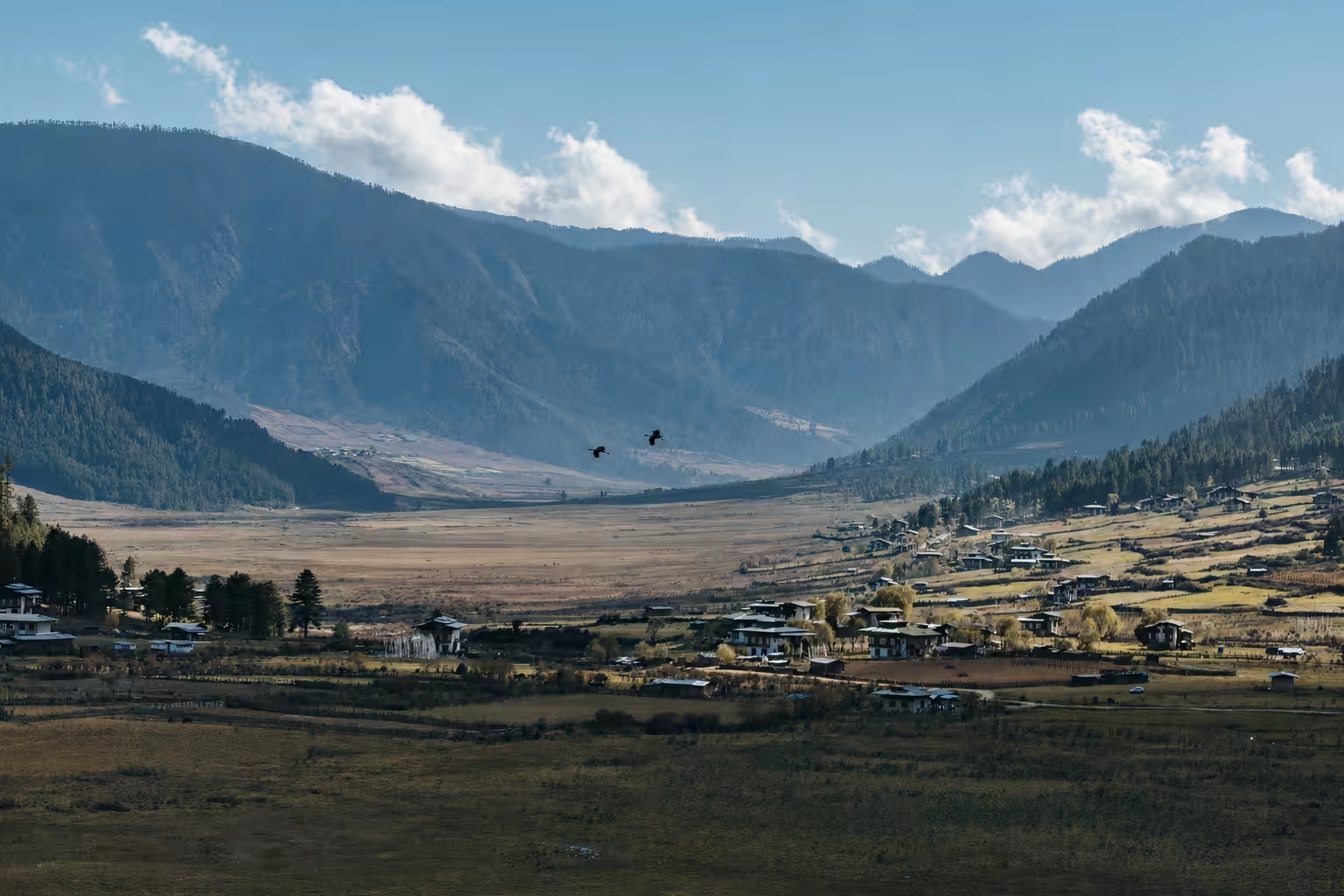
Quiet roads, crisp light and black-necked cranes in Phobjikha. Nights are cold, but lower valleys can be beautifully bright.
The pace that reveals Bhutan
“The most memorable Bhutan days often begin after the itinerary leaves a little room.”
Staying longer in one place allows for a second walk, a farmhouse lunch, a conversation with an old monk, women playing khuru beside the road or dinner outside under a clear sky. These moments cannot be promised on demand. They can, however, be made more possible by thoughtful pacing.
Sacred spaces and everyday courtesy
Dress with shoulders and knees covered for temples and dzongs. Remove hats and shoes when asked, walk clockwise around sacred objects, keep voices low and let worshippers take priority. Photography may be restricted inside temples; always follow your guide and ask before photographing people.
Courtesy also means not turning every interaction into content. A shared cup of tea, a blessing or a family meal is valuable even when no photograph is taken.
Food, stays and physical comfort
Bhutanese food can be chilli-forward, but a private journey need not rely on repetitive buffets. We combine trusted restaurants, farmhouse kitchens and hotel dining, adapting for allergies and preferences with advance notice.
Explore Raven Journal storiesLocation, warmth, family ownership, atmosphere and time to enjoy a property can matter more than star rating. We recommend exact hotels privately after checking suitability, price and availability.
Read where we stayMost cultural routes are manageable with sensible pacing, hydration and honest health information. We account for elevation, walking surfaces and recovery time, and can weave in yoga, a traditional medicine consultation or spa time.
Read practical FAQs
Raven’s way of travelling
We design around the people travelling, then select the guide, pace, hotels and experiences that suit them. That may include a selective trek, soft glamping, rafting, fly-fishing, a homestay, time with craftspeople or a night in a monastery—but only where the experience is appropriate and genuinely well hosted.
The proposal remains private because exact options depend on season, availability, price and fit. The public website provides the context; your personal itinerary provides the answer.
What Raven takes care of
We coordinate the visa or permit, SDF, flights within the region, private guide and vehicle, carefully chosen stays, realistic routing and the details in your pre-travel checklist. You arrive informed, but not burdened by logistics.