 BHUTAN
Who it suits
Fit, confident walkers who enjoy consecutive mountain days, uneven trails and camp life. Previous multi-day hiking is helpful; technical climbing is not required.
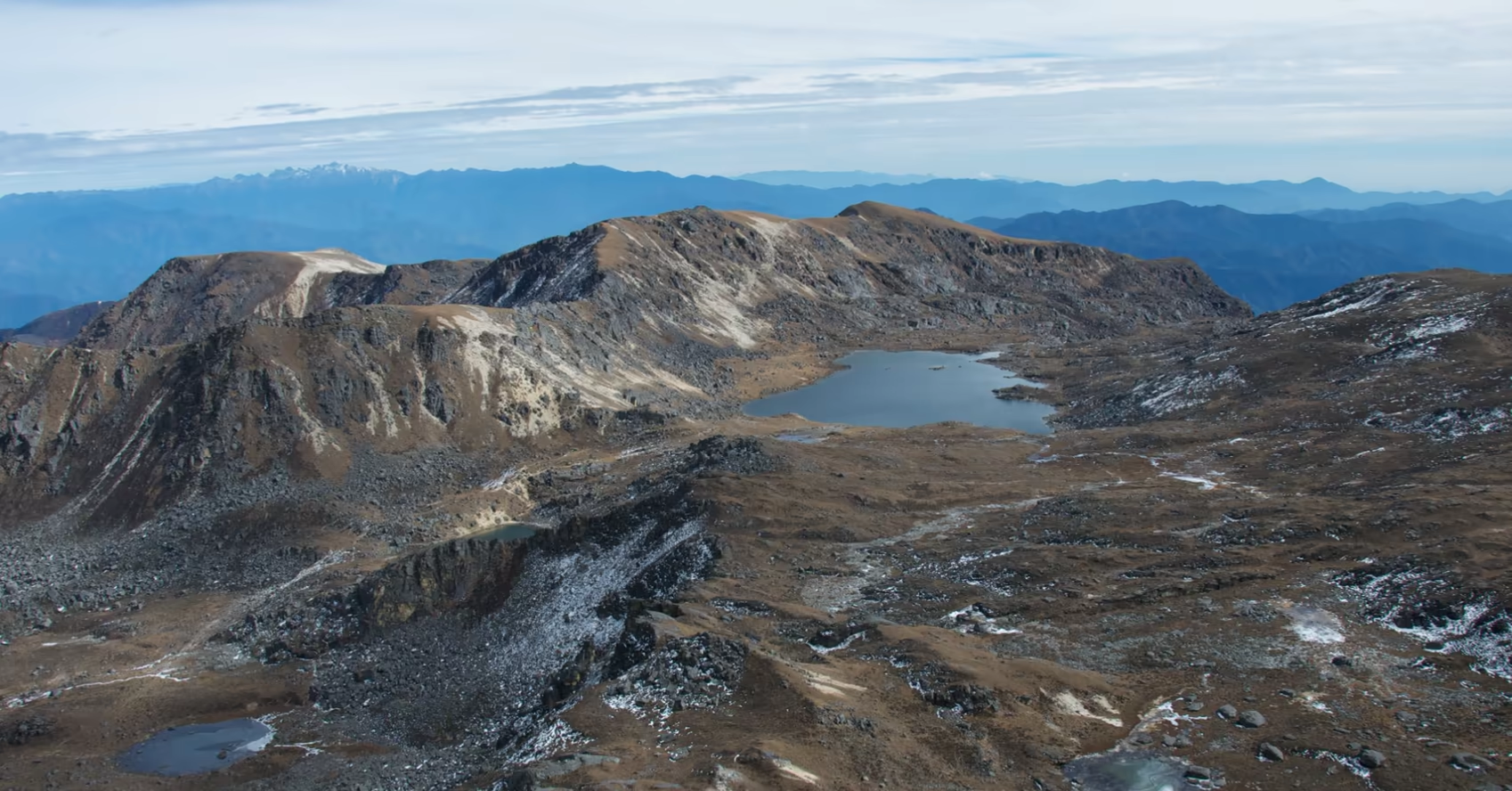
Private high-altitude Bhutan trek · 12 days
Six days among alpine lakes and open ridges, five supported nights under canvas, then time to recover in Punakha before the pilgrimage to Tiger’s Nest.
The journey in one thought
The Dagala Thousand Lakes Trek leads from Genekha through forest and yak pastures into the high lake country above Thimphu. At its heart are six mountain days: five travelling stages and a flexible lake-exploration day, with two nights at Labatama and five nights under canvas altogether.
This private 12-day Bhutan journey gives the trek room to breathe. Begin with a forest walk and local life in Thimphu; return from the highlands to Punakha’s warmer countryside, monastery encounters and unhurried meals. Tiger’s Nest comes after those gentler valley days.
Fit, confident walkers who enjoy consecutive mountain days, uneven trails and camp life. Previous multi-day hiking is helpful; technical climbing is not required.
Six trekking days and five supported camp nights. Approximately 44 km across the five moving stages, plus flexible lake walks; the highest ridge is around 4,520 m.
Open ridges, cold camp mornings and quiet lakes, supported by a mountain team. Afterwards, the pace softens into countryside meals and time with Bhutan’s living culture.
The story of the journey
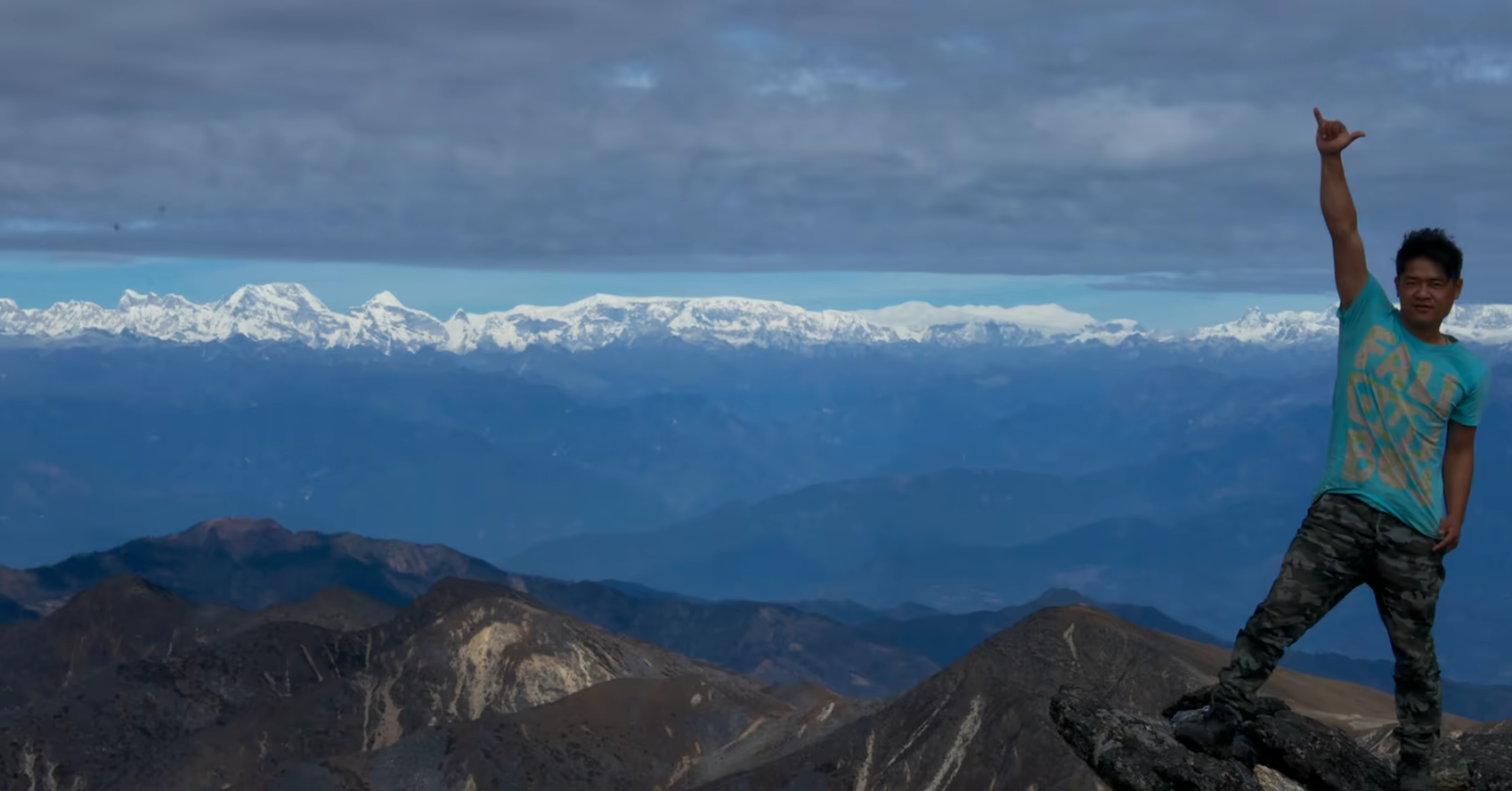
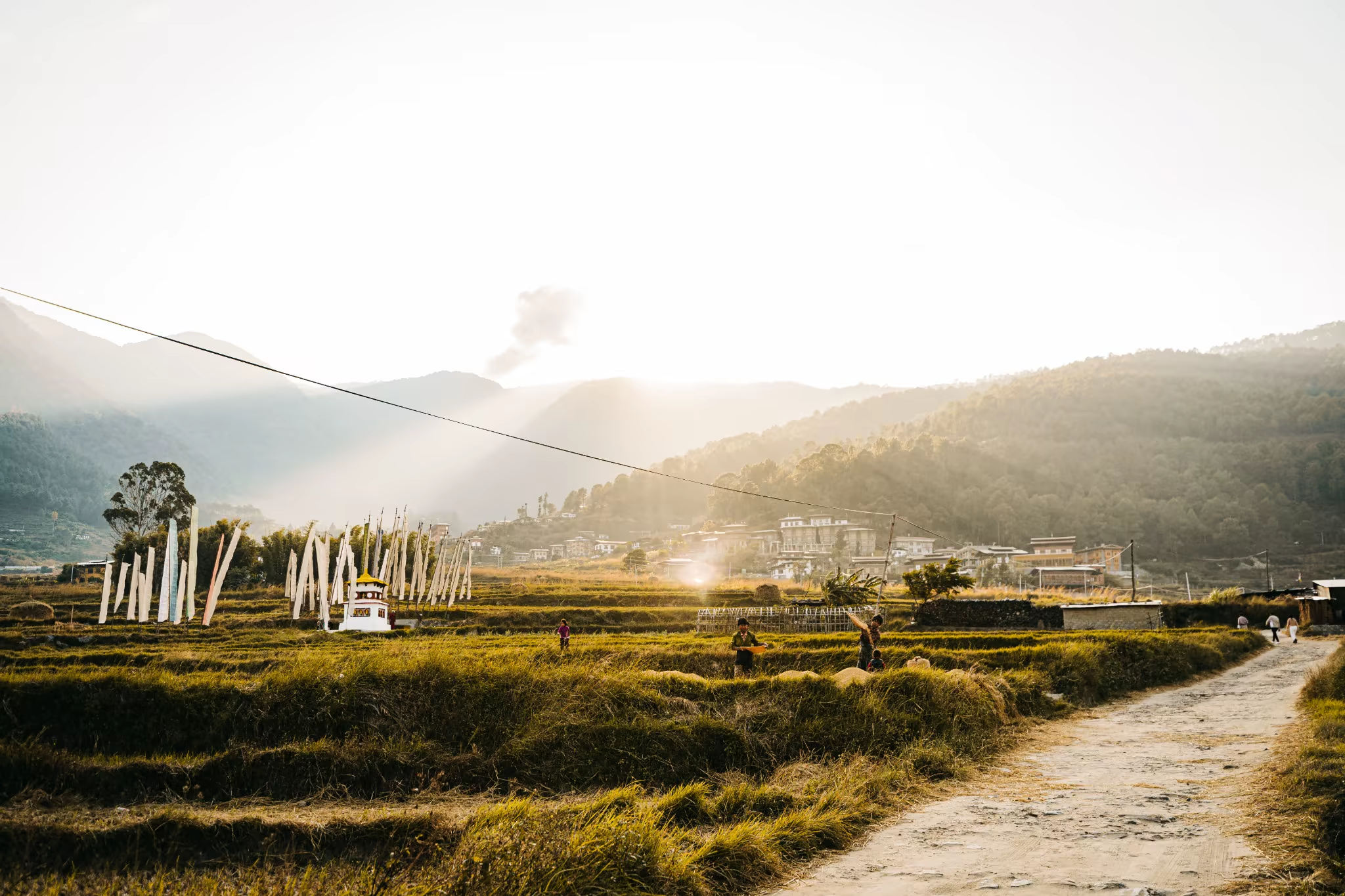
The journey rises through the Dagala highlands, pauses among the lakes and returns to the valleys with room for rest and connection.
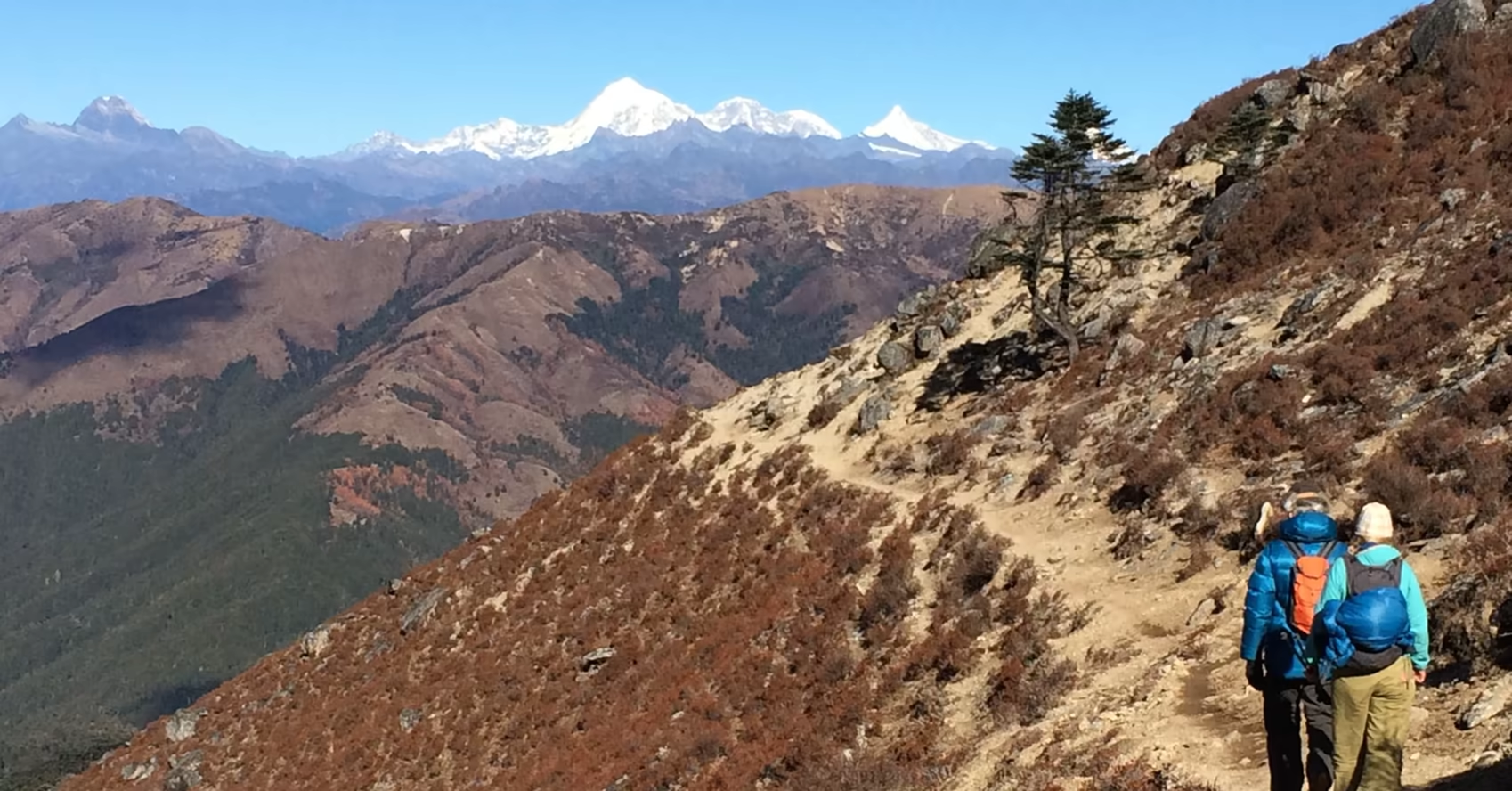
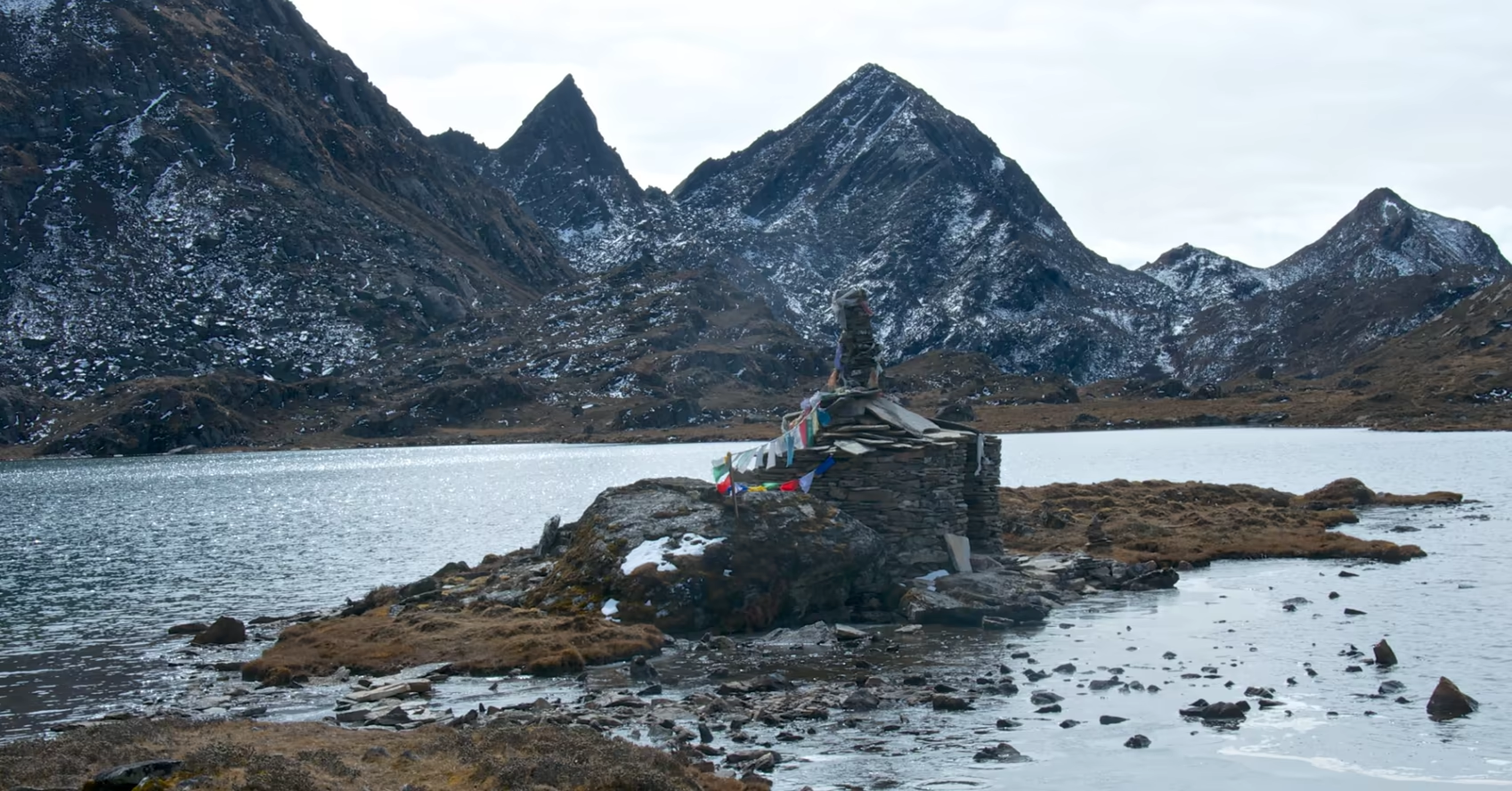
The route, before the detail
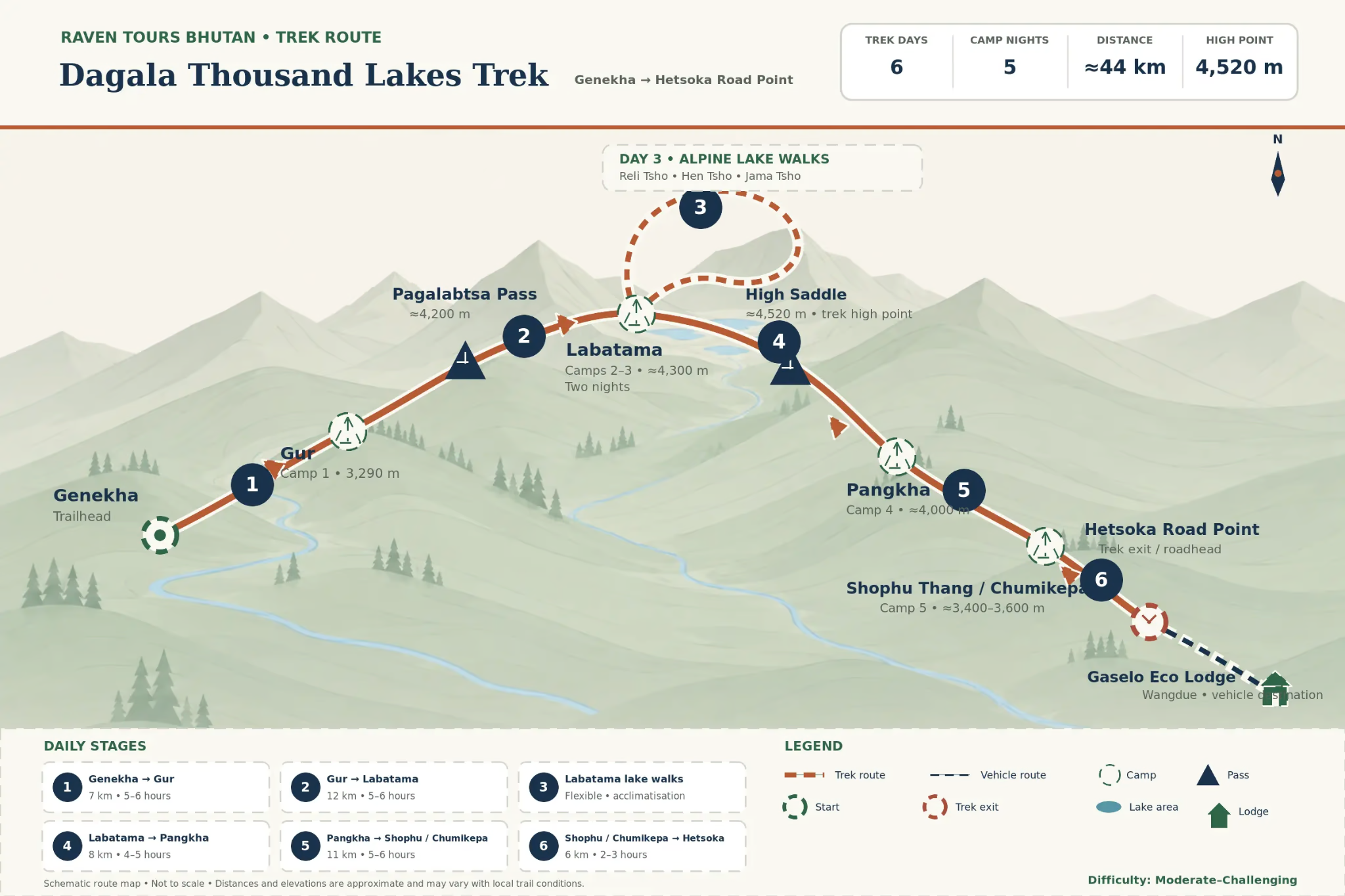
Six trekking days connect Gur, Labatama, Pangkha and Shophu Thang, with two nights at Labatama and a road transfer to Punakha after the descent.
Day by day
The mountain stages follow altitude, trail conditions and the guide’s judgement. After five nights under canvas, Punakha provides a gentler interval before the final hike in Paro.
Paro → Thimphu
Meet your Raven guide at Paro Airport and continue to Thimphu. Keep the first evening light, with a relaxed Bhutanese dinner and time to settle in. Your flight arrival sets the day’s rhythm.
Thimphu · Wangditse
Walk through pine and rhododendron forest towards Wangditse Monastery. Afterwards, choose one or two encounters in the capital: traditional art, a local market, astrology when arranged, or a quiet café. Leave time for your trekking briefing and a careful kit check.
Genekha → Gur
Drive to Genekha and meet the trekking team. Descend briefly towards the river, then begin the climb through oak and conifer forest. Yak pastures and open meadows mark the approach to Gur and your first supported camp.
Gur → Labatama
Climb through open ridges and alpine meadows towards Labatama. The change in height is substantial, so walk steadily and keep the guide informed of how you feel. Settle into the high basin for the first of two nights among the lakes and yak-herder country.
Labatama · Lakes & rest
Remain at Labatama for a flexible day of rest and nearby lake exploration. Weather, energy and your response to altitude decide how far to walk. The second night at the same camp gives the day space, without another camp move or a fixed hiking target.
Labatama → Pangkha
Continue through exposed grazing country and the high ridges of Dagala. The route reaches approximately 4,520 metres before descending towards Pangkha. Take the stage at the guide’s pace, with time to pause when conditions allow.
Pangkha → Shophu Thang
Leave the exposed alpine country and descend through changing vegetation towards rhododendron, fir and mixed forest. The team selects the final mountain camp in the Shophu Thang or Chumikeypa area according to local conditions.
Hetsoka roadhead → Punakha
Complete the forest descent to the road point near Hetsoka, then meet your driver for the journey to Punakha. Keep the rest of the day restorative: a shower, nourishing food and a comfortable countryside stay. A quiet conversation with Lopen Chokyi or another Buddhist practitioner can be arranged when availability and your energy allow.
Punakha · Neyzergang
Wake without an early trekking start. Visit Punakha Dzong, share a farmhouse or countryside lunch, and continue to Neyzergang for tree planting, butter lamps and time with the monastery community when arrangements permit. A short village or riverside walk is entirely optional.
Punakha → Dochula → Paro
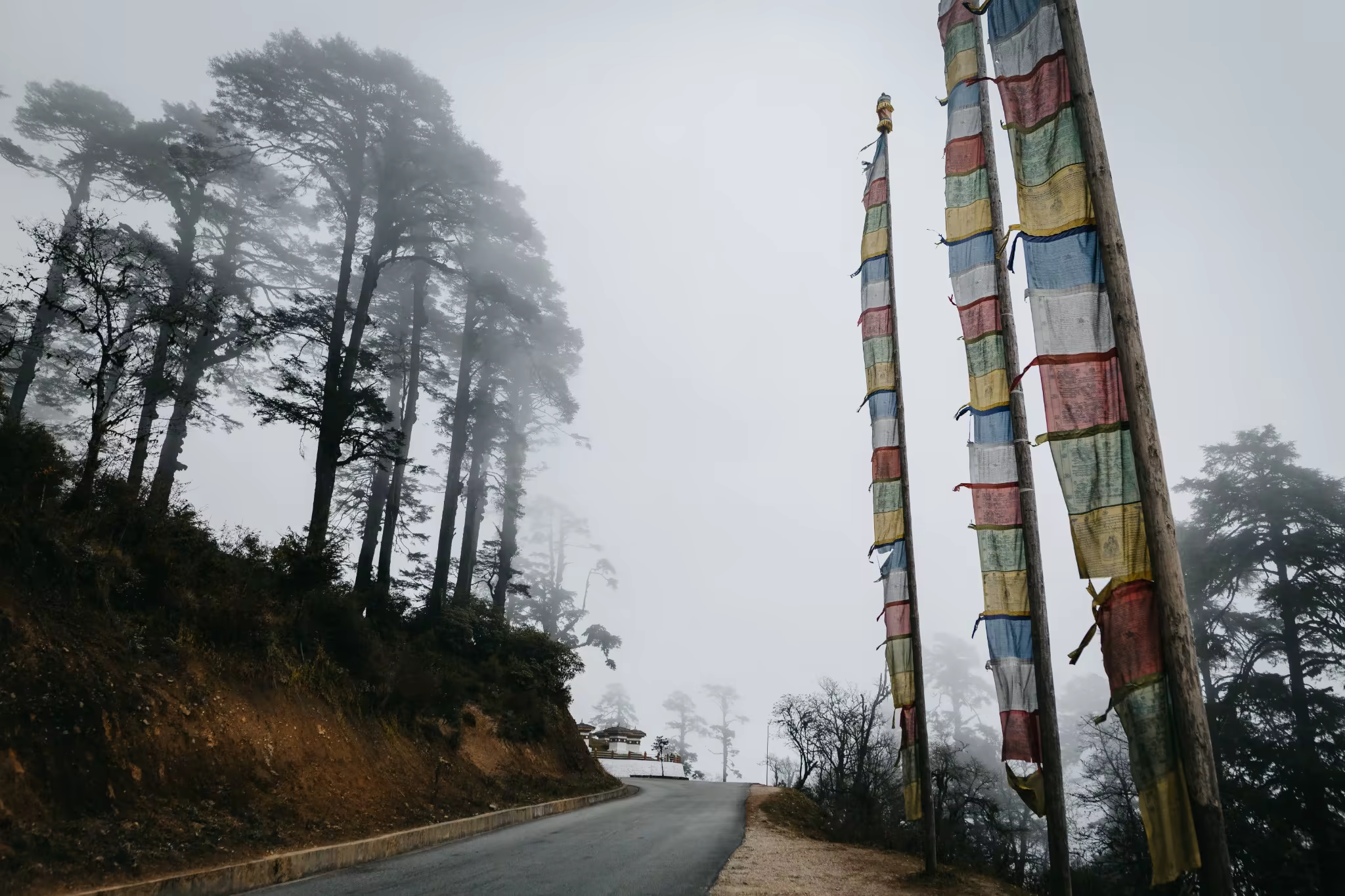
Travel through Dochula, stopping for tea, prayer flags and mountain views when skies are clear. Choose a short forest walk if your legs feel ready, or simply linger at the pass. Continue to Paro and leave the remainder of the day free before Tiger’s Nest.
Paro · Tiger’s Nest
Climb through pine forest towards Paro Taktsang, with time for rests and the cliffside monastery. This is a substantial hike, even after the mountain trek; take it at your own pace with your guide. A traditional Bhutanese hot stone bath brings the day to a restful close.
Paro → Departure
Enjoy breakfast as your flight schedule allows, then transfer privately to Paro International Airport. Leave with memories of lake reflections, camp mornings and the people who welcomed you back into the valleys.
Why Raven designed it this way
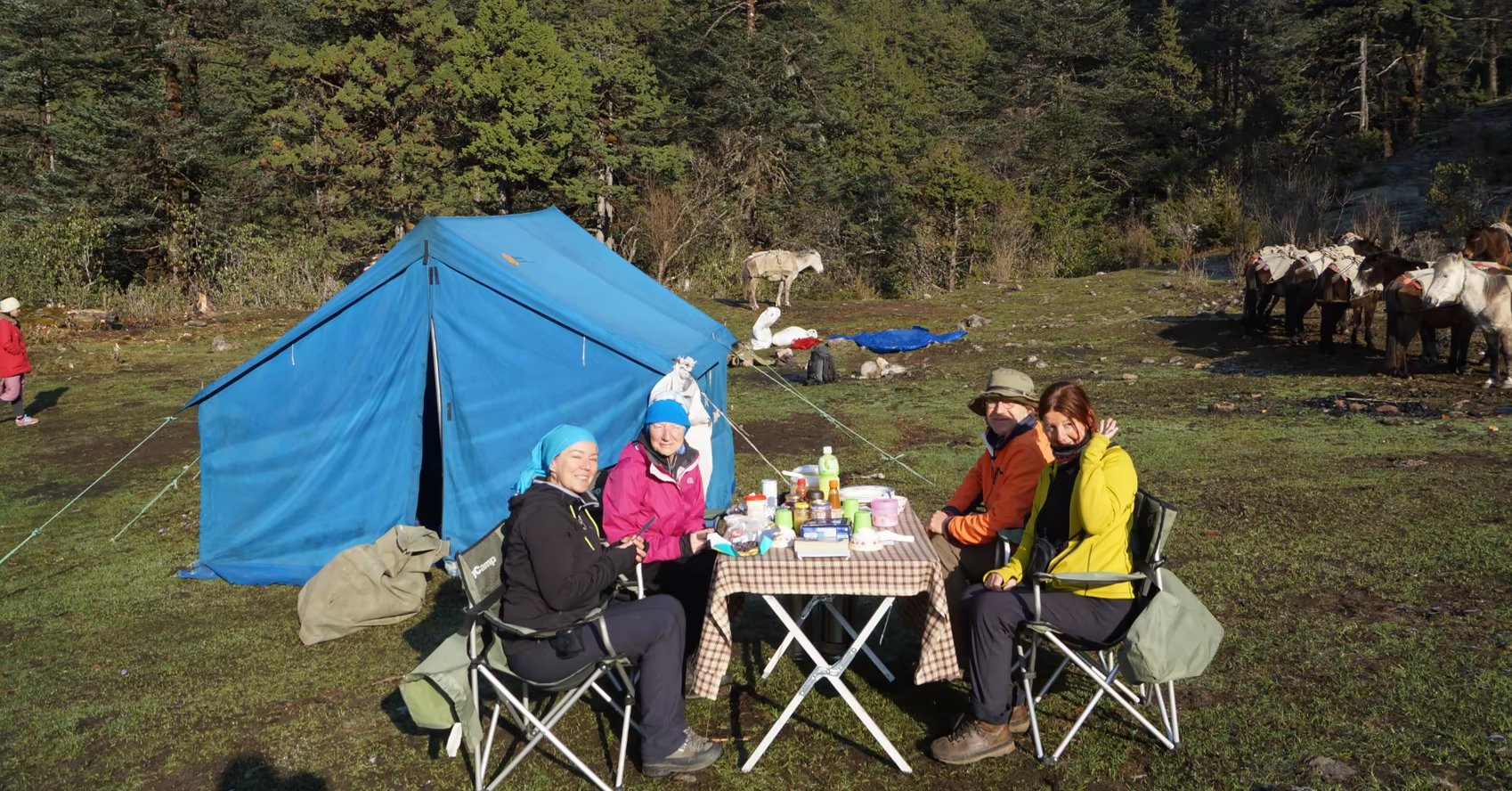
Across five mountain nights, the guide, chef, camp crew and horsemen take care of the work behind each day’s walking. Your main trekking luggage travels with the pack horses, while you carry the layers, water and personal essentials you need on the trail.
Two nights at Labatama provide time to assess how you are responding to altitude, rather than a promise that everyone will acclimatise on schedule. Raven reviews your preparation before departure; the mountain guide may shorten a walk, adjust camp, descend or turn back when conditions require it.
Where you may stay
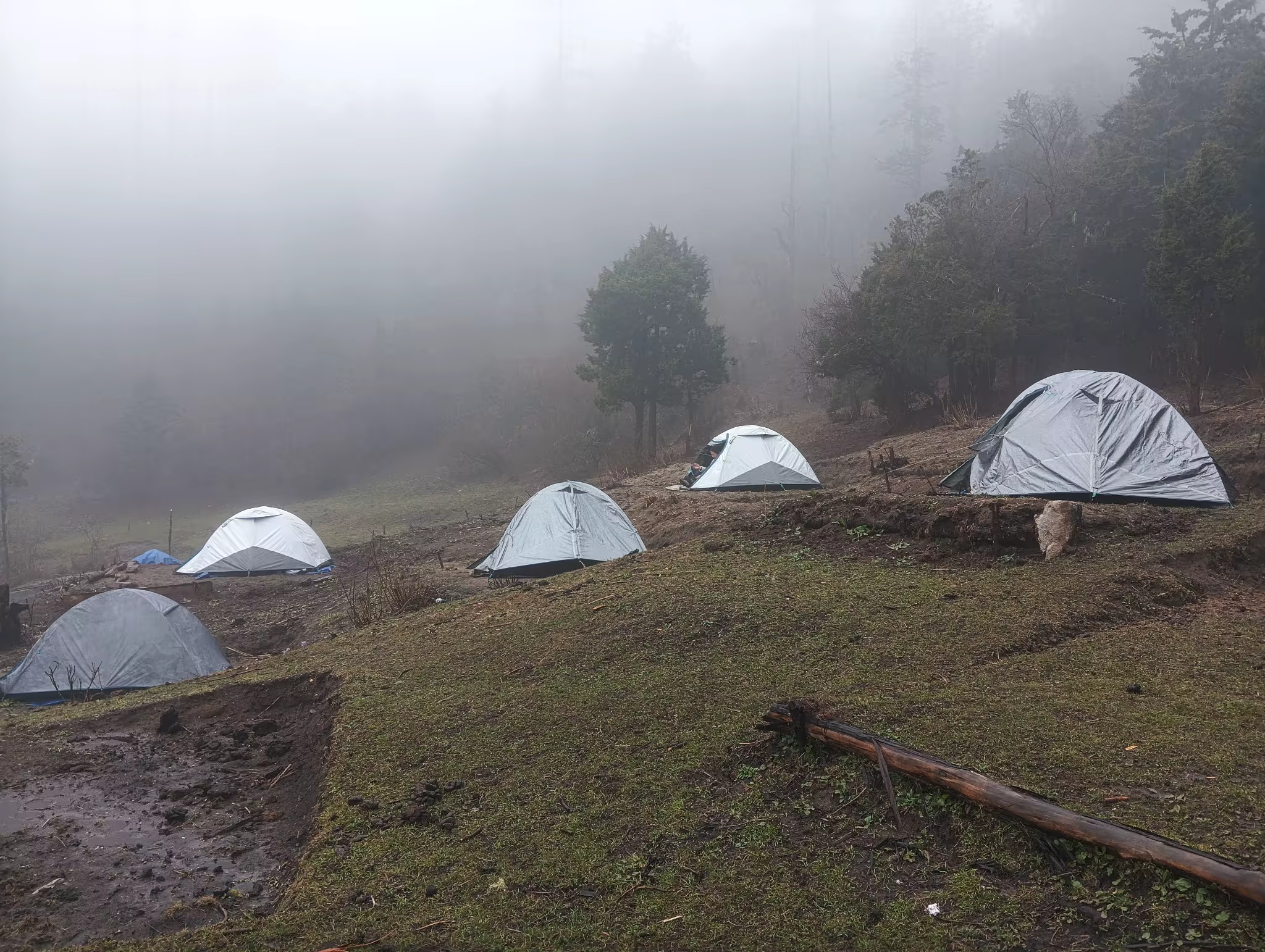
The eleven-night journey combines five supported camp nights with two hotel nights in Thimphu, two countryside nights in Punakha and two hotel nights in Paro. Exact properties, room categories and camp locations are confirmed in your private proposal.
Camp locations can change with weather, water, grazing activity and trail access. Selected valley stays may be upgraded, subject to availability and your preferred comfort.
Read Raven’s approach to staysPractical clarity
Your private proposal confirms accommodation, camp equipment, luggage allowance, meals, permits, visa arrangements and the applicable Sustainable Development Fee.
Included in the journey
Not normally included
Optional extensions
Extend Punakha for the full Jiligang hike, allow more time for a longer Lungchutse forest walk, or add a monastery stay subject to permission. An outdoor private dinner can also be arranged when weather and your chosen stay allow. Extra walking is a personal choice, while the core journey preserves recovery.
Questions before you travel
Practical answers for a private Dagala Thousand Lakes Trek, from the six-day walking route to supported camping and time in the valleys.
This is a challenging high-altitude trek for fit, confident walkers. The five moving stages total approximately 44 km, alongside a flexible day at Labatama. Several days involve five to six hours of walking, and the highest ridge is around 4,520 m. Uneven ground, cold nights and changeable weather add to the effort; no technical climbing is planned.
Yes. Journey days 3–8 form the six-day trek: Genekha to Gur, Gur to Labatama, a Labatama exploration day, Labatama to Pangkha, Pangkha to Shophu Thang, and the descent to Hetsoka. Five nights are spent in supported mountain camps.
Labatama is a high camp, approximately 4,280–4,300 m. Staying a second night creates time for rest, flexible lake walks and the guide’s assessment of how you are responding to altitude. Any exploration depends on conditions and wellbeing; the plan can change if more rest or descent is needed.
Raven provides the trekking guide and mountain support team, sleeping tents and warm sleeping system, camp dining and toilet arrangements, freshly cooked meals, hot drinks, filtered water and pack-animal support for the main overnight load. Guests normally walk with a daypack.
From the Hetsoka roadhead, continue by vehicle to Punakha for two countryside nights. The programme favours nourishing meals, Punakha Dzong and Neyzergang, with short walks optional. You then travel through Dochula to Paro for two nights, with Tiger’s Nest and a hot stone bath before departure.
Raven’s itinerary uses late April–June and late September–November as planning windows. These are not guarantees of clear passes or dry trails. The team checks the date against snow, rain, trail access and camp conditions before confirming your departure.
Yes. Share your recent hiking, previous time at altitude, preferred pace and comfort needs. Raven can discuss additional preparation or recovery nights and keep post-trek walks optional. The mountain route still depends on conditions, permits and the guide’s judgement, so flexibility does not mean bypassing the demands of altitude.
Your journey starts with a conversation
Share your walking experience, previous time at altitude, travel dates and preferred comfort. Raven will shape your Dagala journey with thoughtful preparation, full mountain support and room to recover.
Begin a private conversation