 BHUTAN
Who it suits
Fit walkers who enjoy consecutive mountain days, uneven trails and simple camp life. Previous multi-day hiking is helpful, together with comfort in cold, changeable conditions.

Private high-altitude Bhutan trek · 10 days
From monastery evenings and village kitchens to Haa’s high passes, a sacred mountain lake and three supported nights under canvas.
The journey in one thought
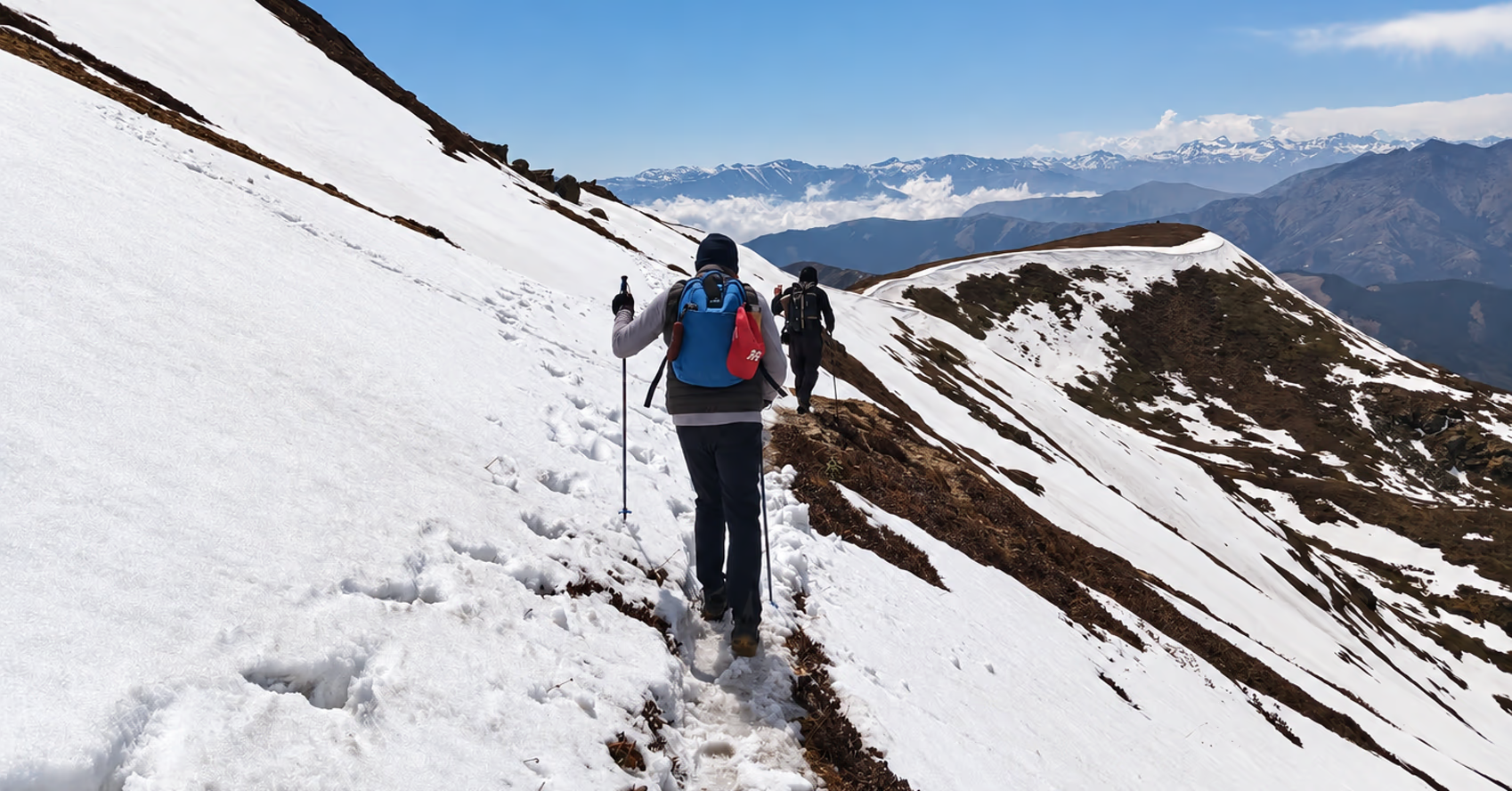
The Nub Tshonapata Trek leads into the western highlands above Haa Valley, following forest trails and yak-herder country towards Tshonapata Lake. Four demanding trekking days sit at the heart of this private Bhutan journey, with three nights in supported mountain camps.
Before the trek, share the quieter rhythms of Dodeydra Monastery and a Punakha farmhouse. Afterwards, return to Paro for Tiger’s Nest and a hot stone bath. Ten days is an active framework: Raven can add time in Haa for preparation or in Paro for a full rest day.
Fit walkers who enjoy consecutive mountain days, uneven trails and simple camp life. Previous multi-day hiking is helpful, together with comfort in cold, changeable conditions.
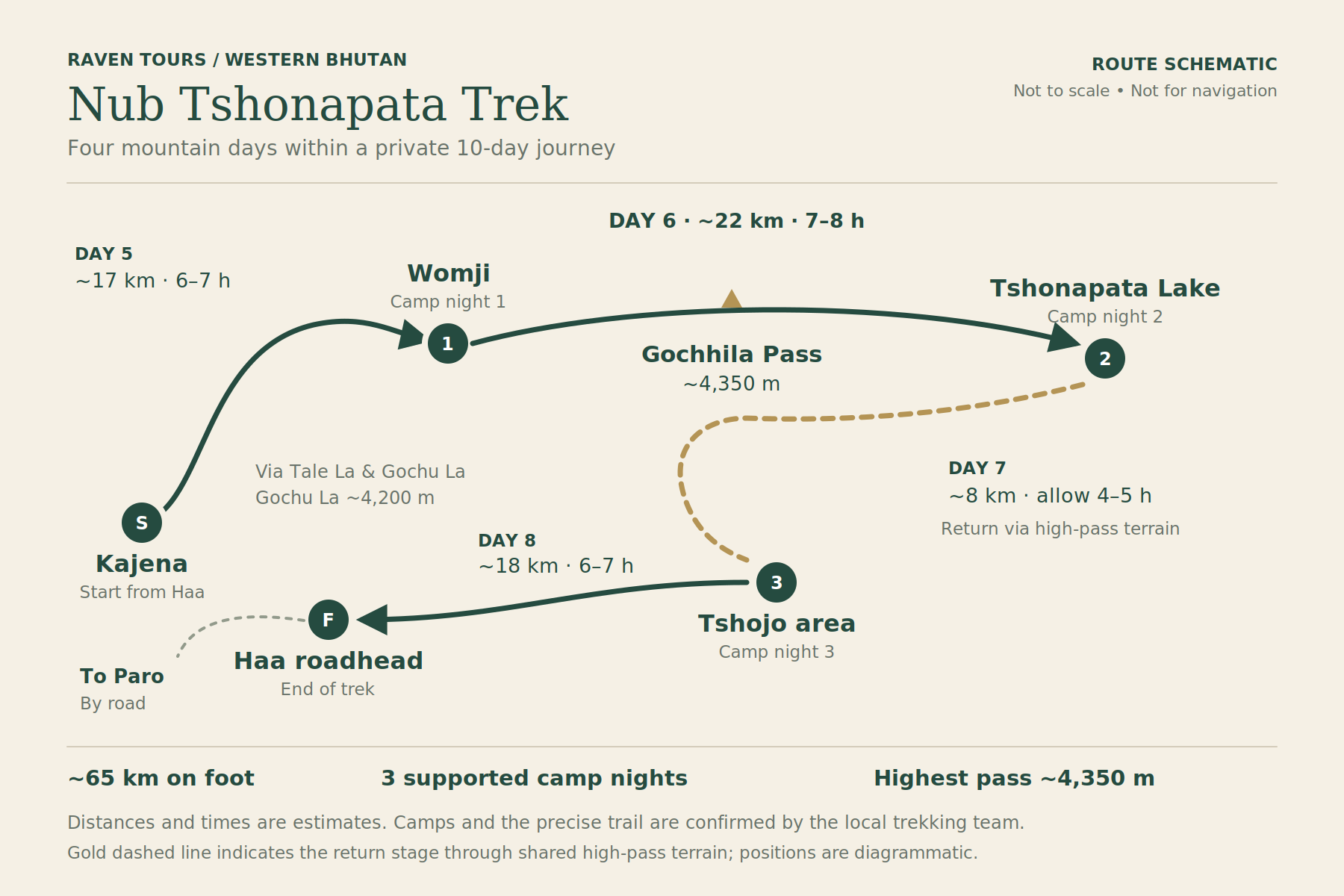
Four trekking days, three camp nights and approximately 65 km. The longest stage is around 22 km, with Gochhila Pass commonly quoted at about 4,350 m.
Personal and fully supported, with early starts, long climbs, freshly cooked camp meals and quiet evenings beyond the road. Cultural days add warmth and context to the mountain journey.
The story of the journey
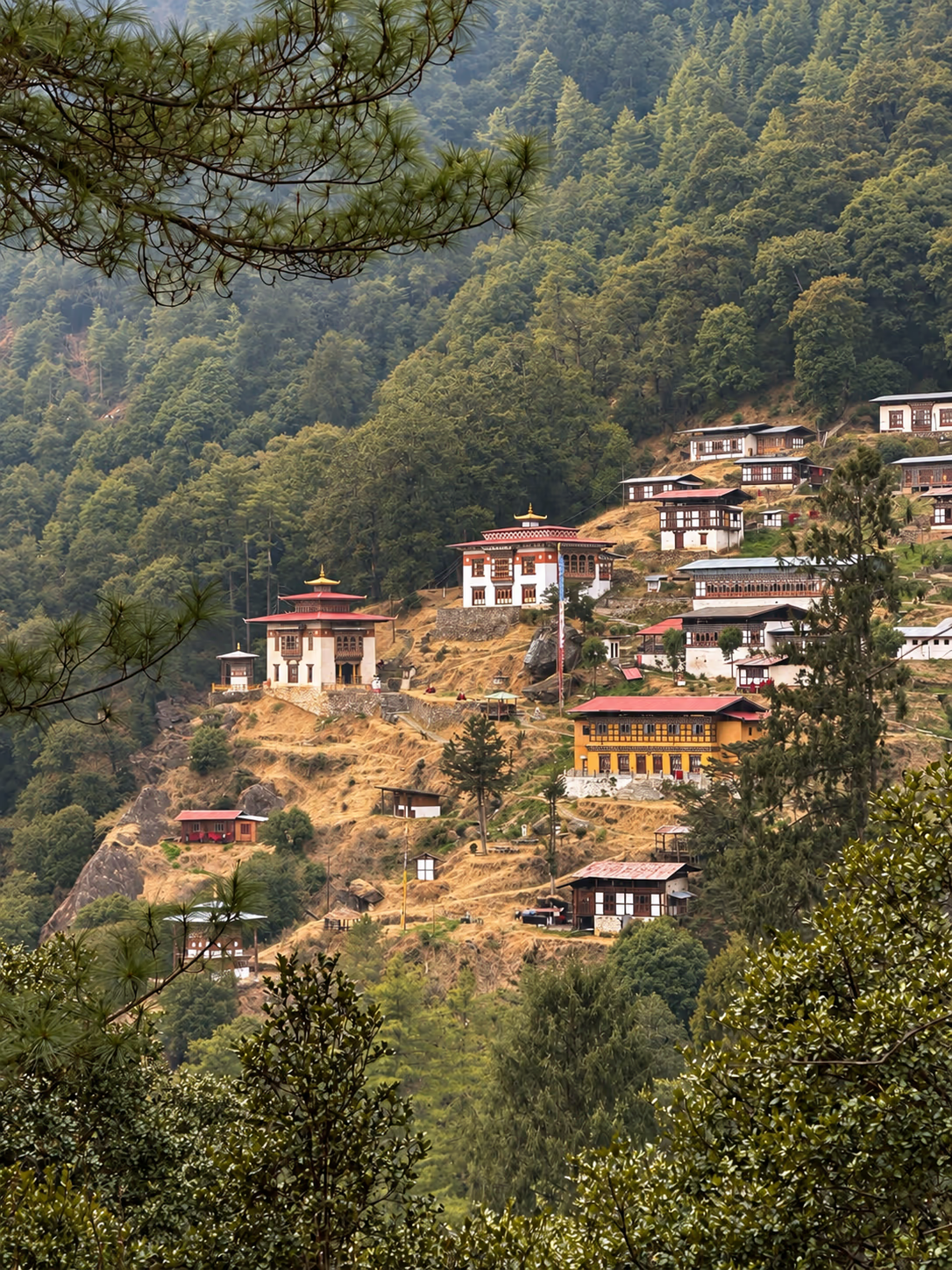
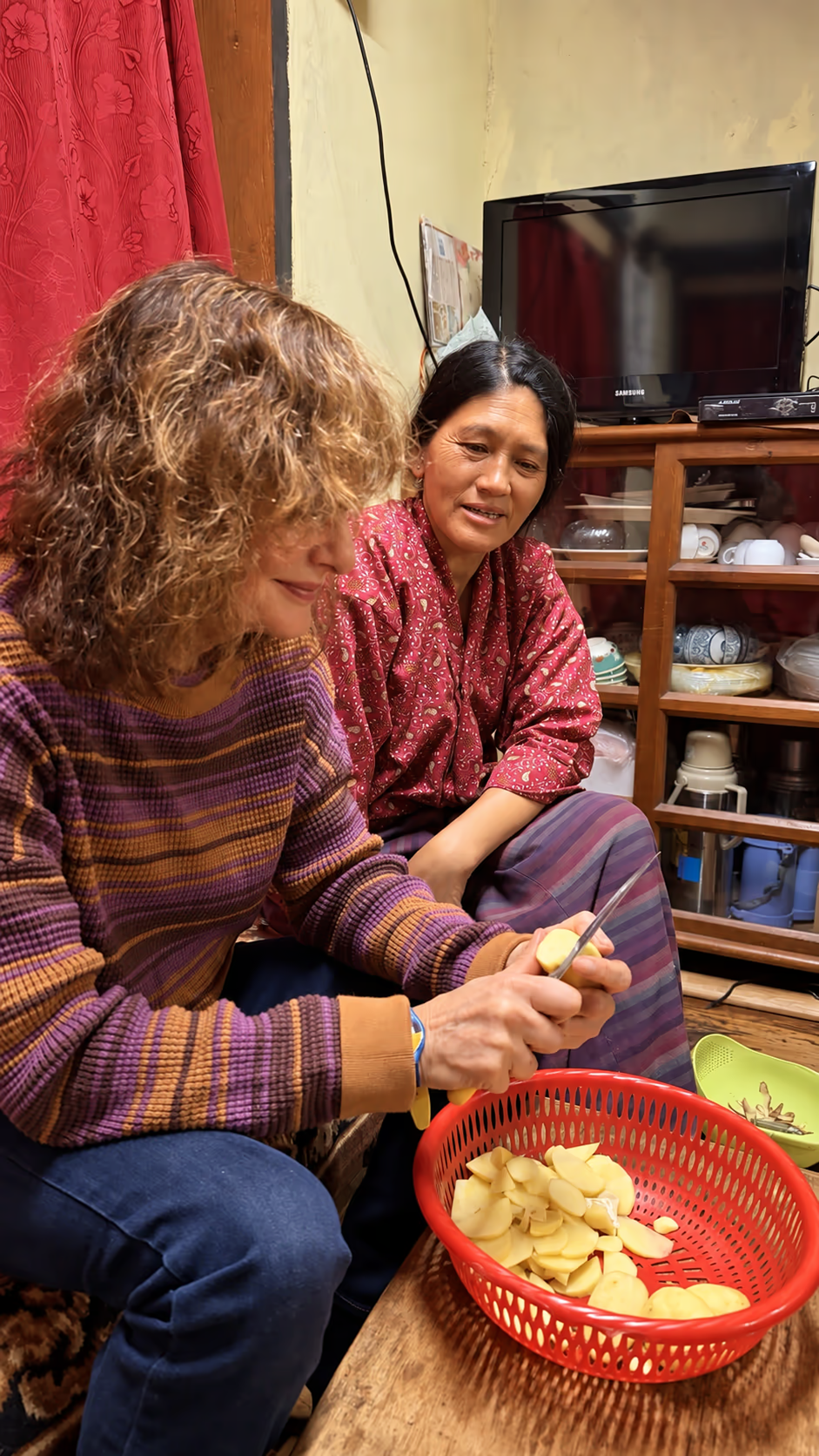
Monastery life, highland trails and time with local hosts give this trek its character. Each encounter follows the place, the season and your hosts’ welcome.
The route, before the detail
Four mountain stages connect Kajena, Womji, Tshonapata and Tshojo before the return to Haa and Paro.
Day by day
The four-day trek is demanding. Walking times are estimates, and camps, activities and transfers remain subject to local conditions and the mountain guide’s judgement.
Paro → Thimphu
Meet your Raven guide at Paro Airport and continue to Thimphu. Let your arrival time set the afternoon: a short town walk, a visit with artists or a quiet dinner. Tamchog may be included when timing and access allow; the first priority is settling in.
Thimphu → Dodeydra
Visit Buddha Dordenma and selected craft or market stops before walking through pine forest to Dodeydra. Keep enough daylight for the climb. Share a simple meal and, when invited, evening prayers in this living monastery. The stay is arranged subject to permission.
Dodeydra → Dochula → Punakha
Descend from Dodeydra and cross Dochula on the drive to Punakha. The chortens and, on clear days, distant mountain views mark the change of valleys. Visit Punakha Dzong when opening hours allow, then join your local host for cooking and a relaxed evening meal.
Punakha → Haa Valley
Choose one morning experience in Punakha: gentle yoga, a riverside visit, rafting if conditions permit, or a Neyzergang cultural encounter. Then begin the long road journey to Haa. Avoid crowding this transfer day; settle in, review your trekking kit and rest before the trail.
Kajena → Womji
Travel to the agreed trailhead near Kajena and begin the Nub Tshonapata Trek. Forest gives way to open ground as the route climbs towards Tale La and Gochu La before reaching the Womji camp area. Start early and let trail conditions set a steady walking pace.
Womji → Tshonapata Lake
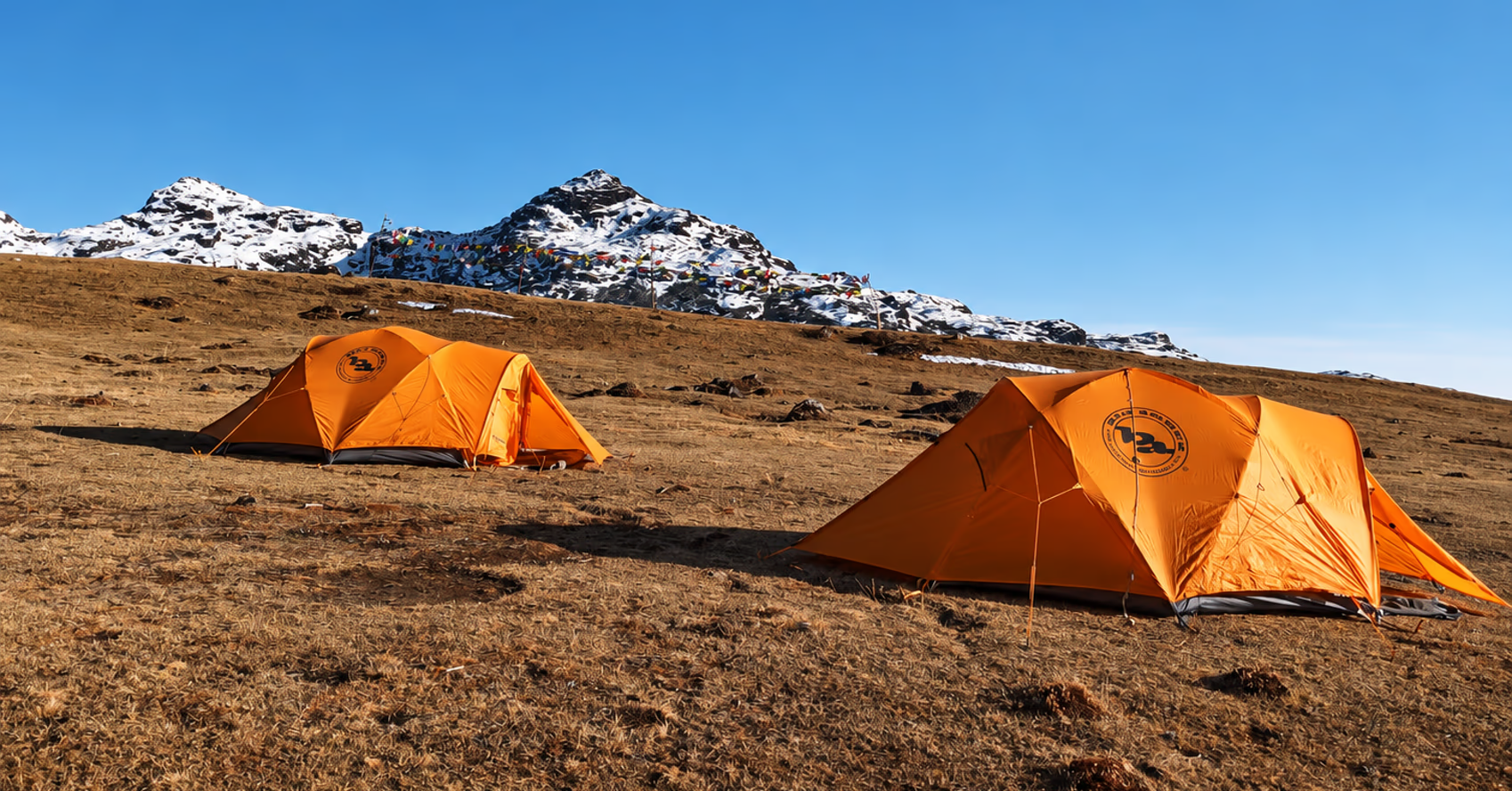
This is the longest mountain stage. Climb through changing highland vegetation towards Gochhila, commonly quoted at around 4,350 metres, then continue along the route to Tshonapata. Camp in the lake area at a site chosen by the trekking team, respecting local customs and the fragile lakeshore.
Tshonapata → Tshojo
Leave the lake and follow the return route towards the Tshojo area, also written Tsojo. The walking may retrace the high pass before traversing towards the next camp, so this is not a guaranteed easy descent. Allow time for the terrain, weather and the final camp position.
Tshojo → Haa roadhead → Paro
Complete the final long walking stage through changing forest and highland terrain towards the Haa roadhead. Meet your driver and continue to Paro. Keep the evening free for a shower, a good meal and rest; any spa treatment can be arranged around your arrival time.
Paro · Tiger’s Nest
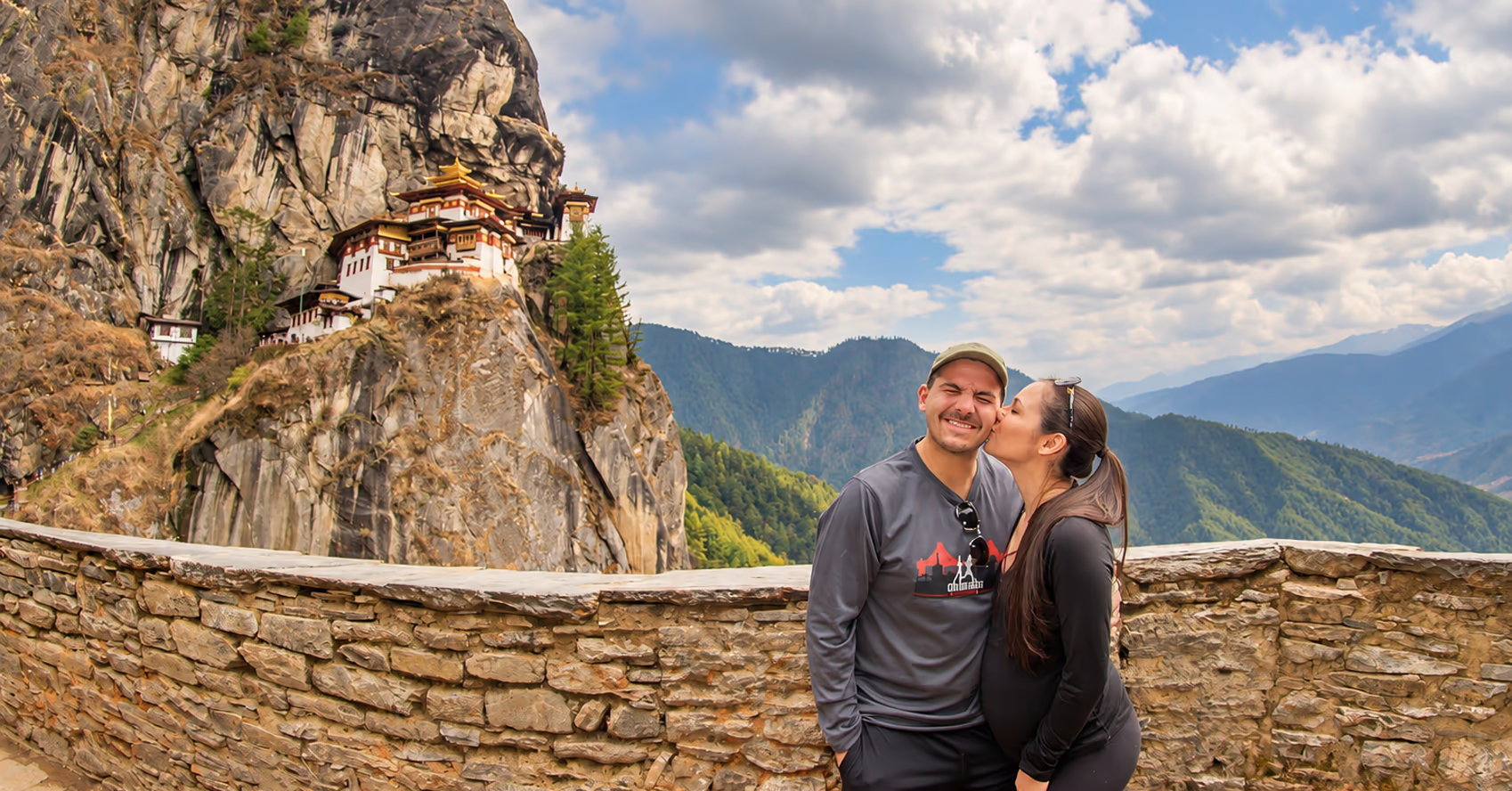
If your legs feel ready, hike to Paro Taktsang, taking time for the forest path, viewpoints and the monastery. A traditional hot stone bath can follow. Prefer a quiet valley day if you need recovery, or add a full rest day to the journey before attempting Tiger’s Nest.
Paro → Departure
Enjoy breakfast as your flight schedule allows, then transfer privately to Paro International Airport. Your journey ends with time shared in monasteries, village homes and mountain camps, and the quiet memory of the western highlands.
Why Raven designed it this way
Across three mountain nights, comfort depends on an experienced team: a trekking guide who reads the conditions, a camp kitchen preparing hot food and horsemen moving the main overnight load. You walk with the day’s essentials while camp is prepared ahead.
Preparation is personal. The cultural opening is not a substitute for an altitude plan, and an extra Haa night may be appropriate. Raven reviews your hiking experience and dates before confirming the route; the guide may change a stage or turn back when conditions require it.
Where you may stay
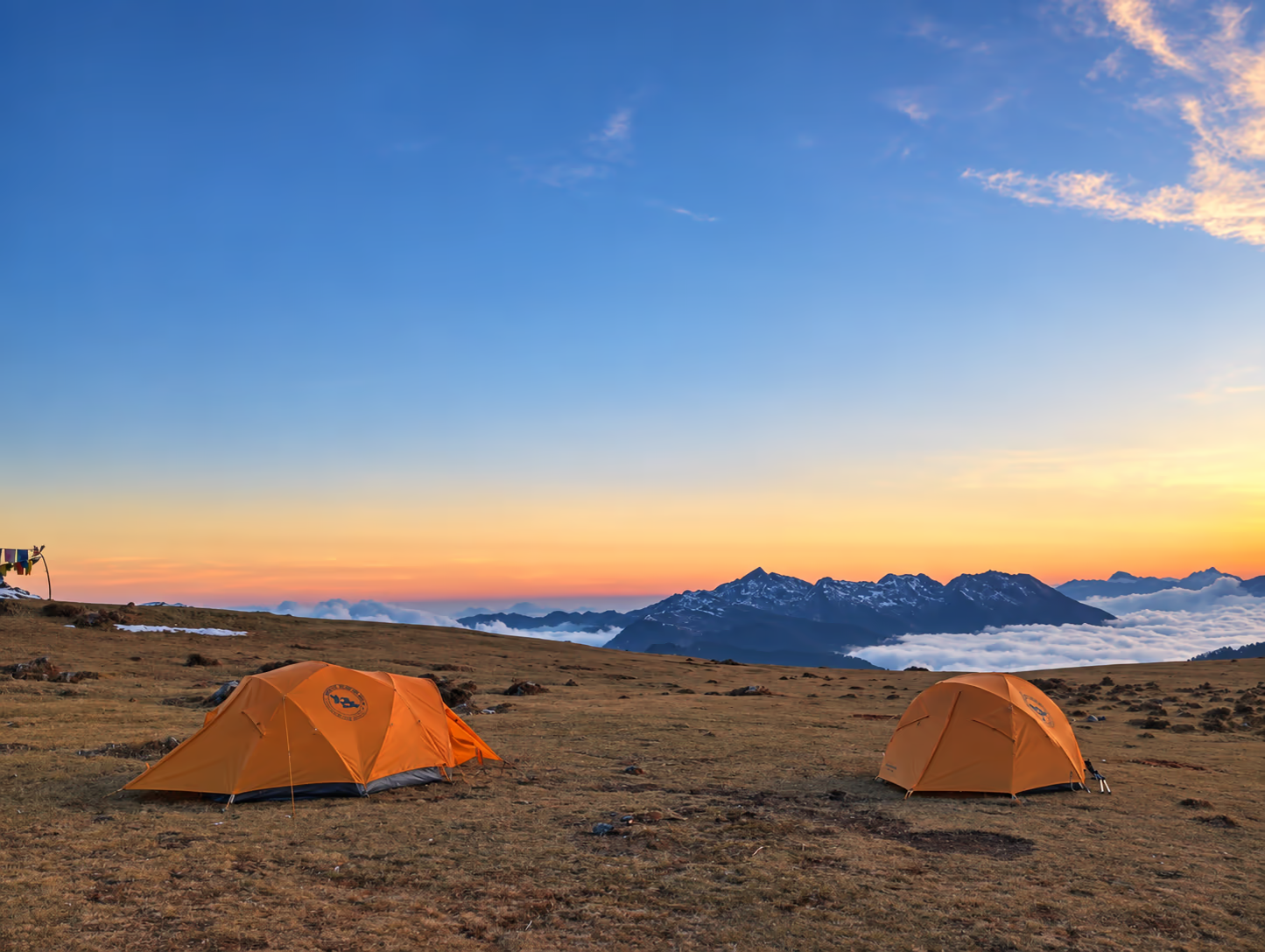
The nine-night journey combines four hotel nights, one simple monastery stay, one farmhouse or countryside night and three mountain camps. Exact properties, monastery access and camp locations are confirmed in your private proposal.
Camps may move with water availability, snow, grazing activity and trail conditions. A monastery is a living religious community; facilities and participation in prayers depend on the hosts.
Read Raven’s approach to staysPractical clarity
Your proposal sets out accommodation, permits, camp equipment, meals, luggage allowance and all charges, including the applicable Sustainable Development Fee.
Included in the journey
Not normally included
Optional extensions
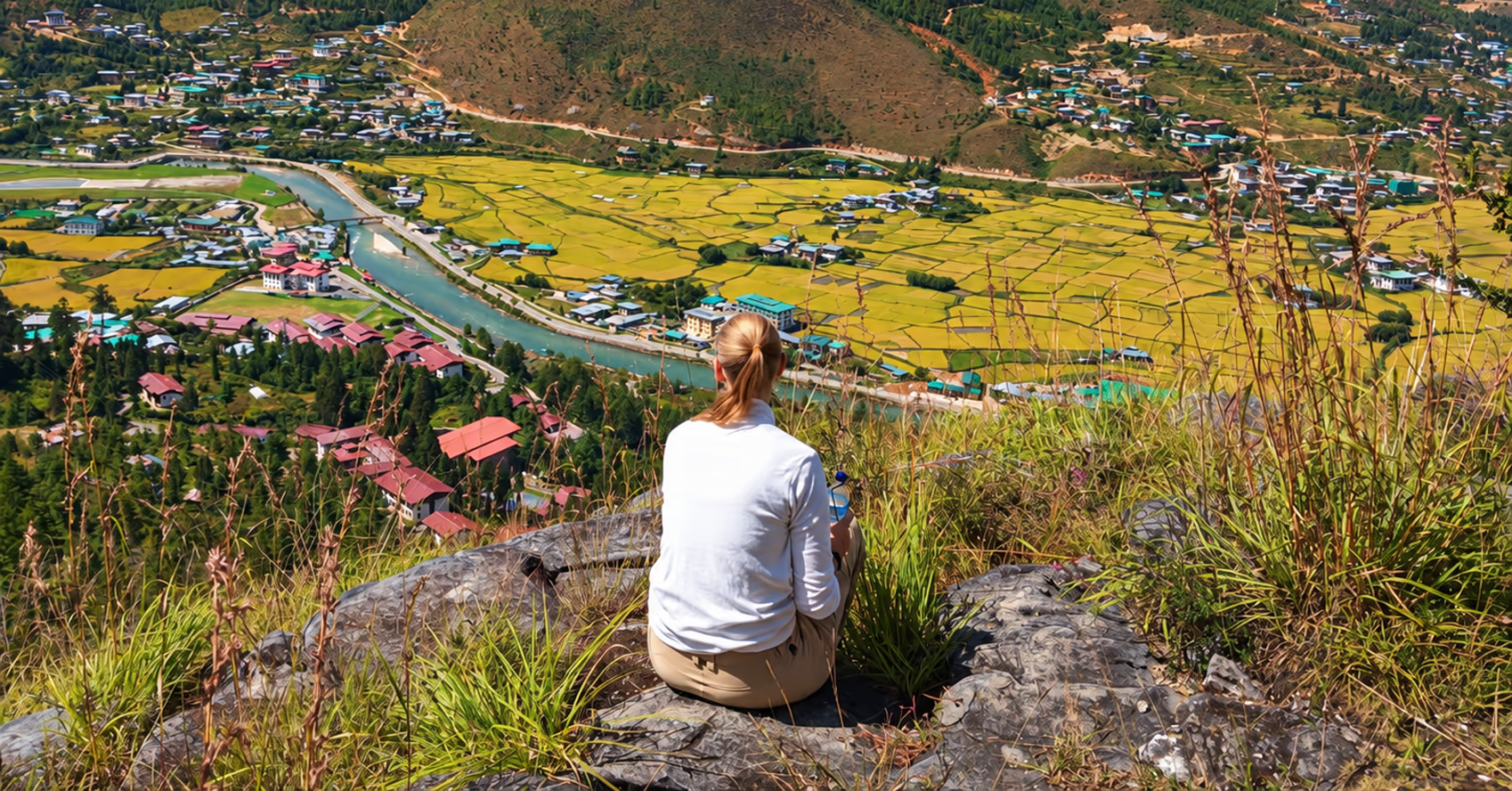
Add a night in Haa before the trek for gentler preparation, a further mountain night where conditions and logistics allow, or a full Paro rest day before Tiger’s Nest. Raven can also shape a longer wellness stay around your preferred pace.
Questions before you travel
Practical answers for planning a private Nub Tshonapata Trek in Bhutan, from the best travel window to daily walking and camp support.
This is a demanding trek despite its four-day duration: approximately 65 km, several long walking days and high passes. The 22 km stage to Tshonapata is the longest. It suits fit, confident hikers; snow, weather and trail conditions can increase the effort. It is not a gentle lake walk.
Raven’s usual planning windows are late April to June and late September to November. Spring and autumn offer different landscapes, but snow can linger on passes and rain can affect trails. Your departure date should follow current local conditions rather than a fixed calendar promise.
Gochhila Pass is commonly quoted at approximately 4,350 m. Camp elevations and route descriptions vary between sources, so Raven confirms the final mountain plan locally. An extra Haa night may help create a more gradual schedule; time in lower Punakha does not by itself establish readiness for the high passes.
The confirmed trek includes a guide, chef and camp team, horsemen and pack horses, sleeping and dining arrangements, meals and drinking water. Your main overnight luggage travels with the support team; you carry your daypack. Raven confirms equipment, bedding and baggage limits before you travel.
It is shorter in distance, but should still be treated as mountain walking. Published route descriptions include retracing a high pass before continuing towards Tshojo. Allow roughly 4–5 hours as an initial estimate for the approximately 8 km stage; your guide confirms the camp and walking time.
Dodeydra is a working monastery: the overnight and prayers depend on permission and its schedule. Tiger’s Nest is a substantial hike planned for the day after the trek ends. Choose a gentler Paro day if you need rest, or extend the journey to keep a full recovery day before the hike.
Bring broken-in hiking boots, waterproof layers, warm clothing, sun protection and a comfortable daypack. Keep essential personal items with you on the trail. Raven provides a detailed kit list and confirms supplied camp equipment once your season and route are agreed.
Your journey starts with a conversation
Share your walking experience, previous time at altitude, preferred comfort and travel dates. Raven will shape the Nub Tshonapata journey around your party, with the right mountain preparation and room to recover.
Begin a private conversation