 BHUTAN
Who it suits
Experienced walkers and adventurous couples, friends or solo travellers who enjoy several days on mountain trails, simple camp routines and respectful encounters with local communities.
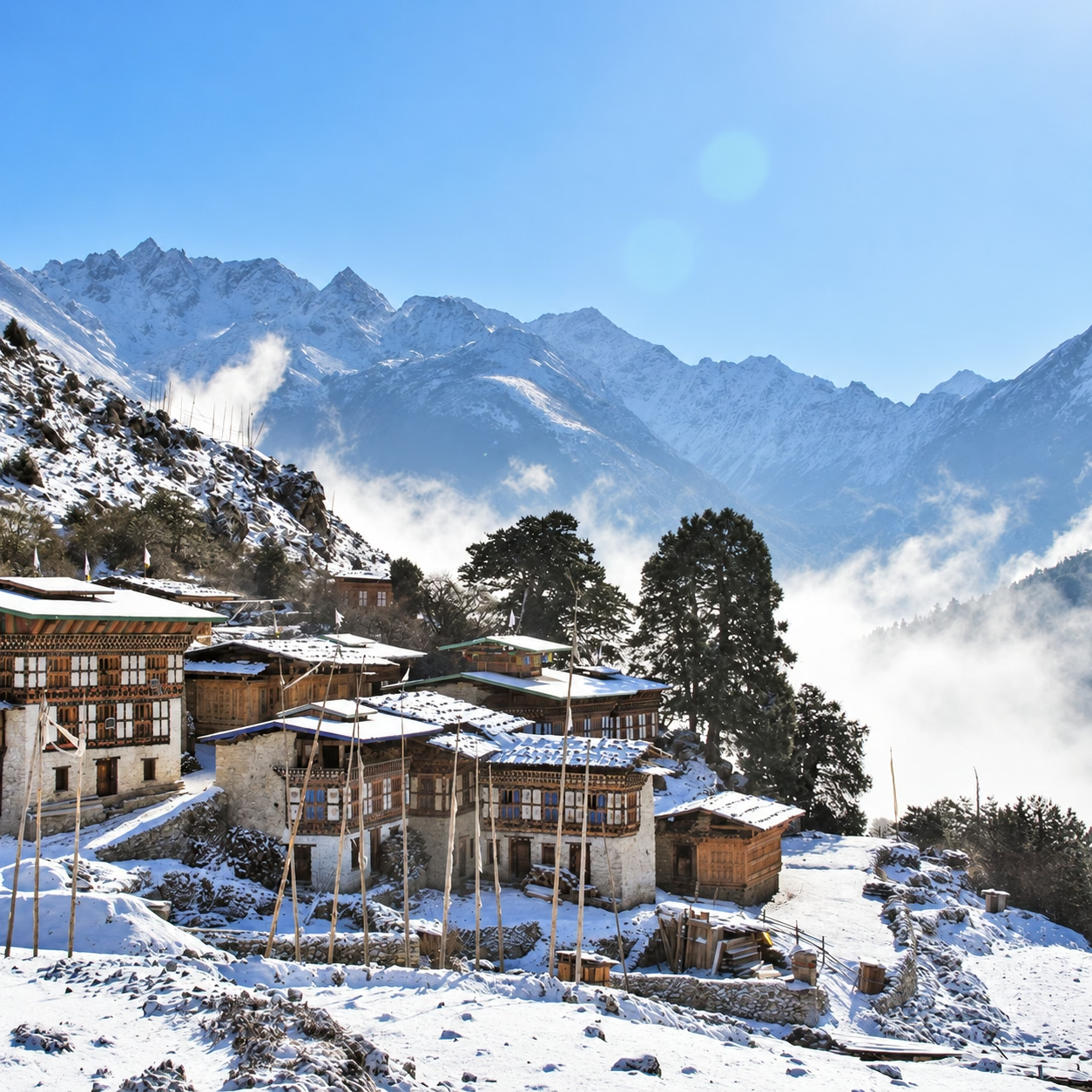
Private Bhutan trekking journey · 15 days
Into Bhutan’s highland country. Fifteen private days of mountain walking, village hospitality and restorative time, with Laya at the heart of the journey.
The journey in one thought
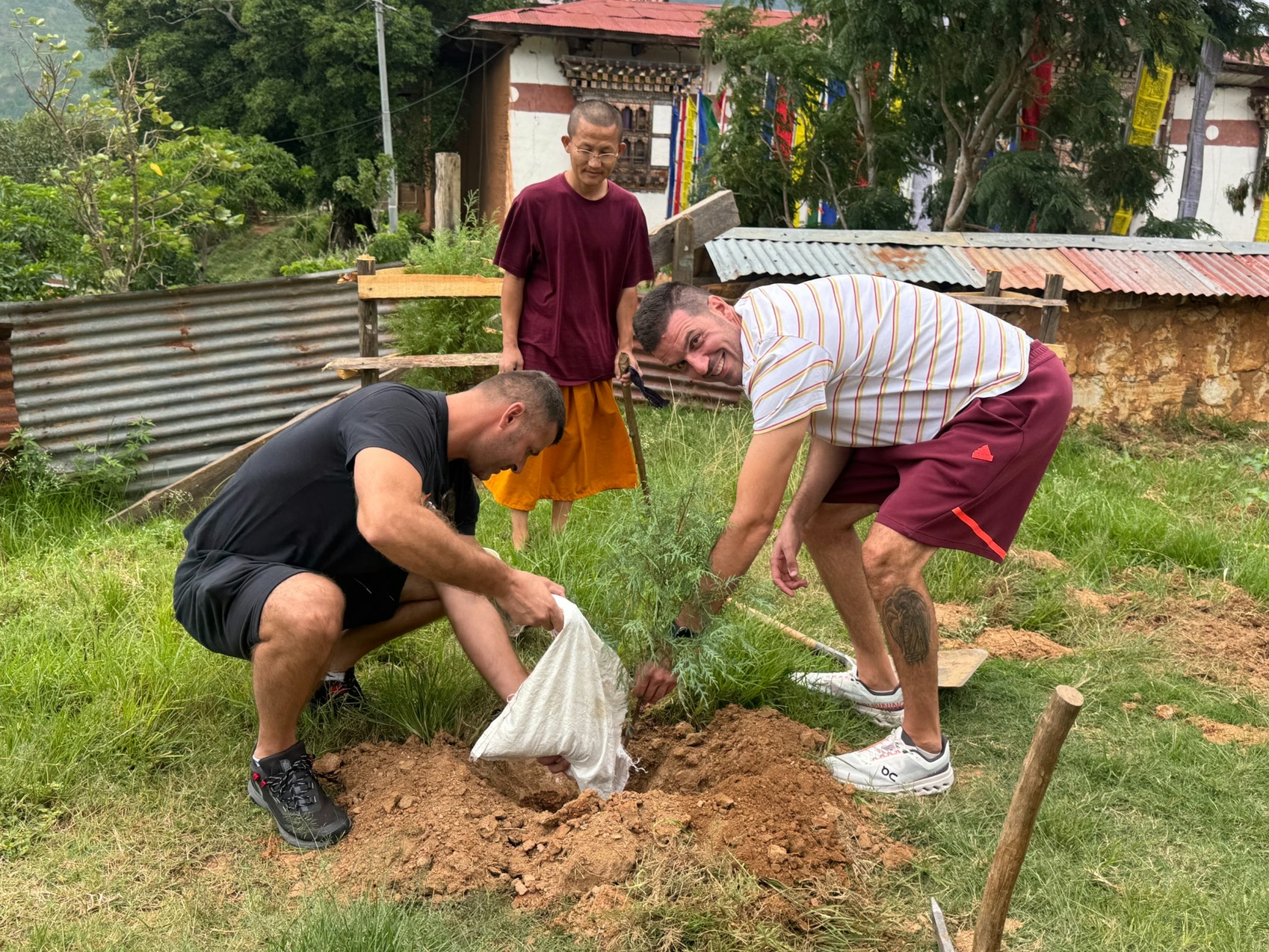
Begin with two nights in Paro and a walk to Tiger’s Nest, then settle into Punakha for a homestay, shared cooking and Raven’s signature day of yoga, river time and tree planting at Neyzergang Monastery. Travel north through Gasa to Laya for an eight-day trekking component, including the approach and walk out. Return to Punakha for a hot-stone bath before two quieter nights in Thimphu.
This is a private, supported camping journey for prepared walkers. Eight trekking days lead through Laya and Lungu to the Nulithang high-camp area, with time to acclimatise, explore and return through the lower valley.
Experienced walkers and adventurous couples, friends or solo travellers who enjoy several days on mountain trails, simple camp routines and respectful encounters with local communities.
Demanding high-altitude trekking with seven camping nights. Uneven ground, changing weather and long days require preparation. The direct approach to Laya needs an individual acclimatization review; yoga and fitness do not replace it.
A warm cup at camp, a conversation in a village kitchen and a mountain appearing between clouds. Thoughtful support on the trail, followed by a bath in Punakha and a restful Thimphu finish.
The story of the journey
The trek is the heart of the journey. Shared meals, time in Laya and Raven’s familiar welcome in the valleys give it a more personal shape.
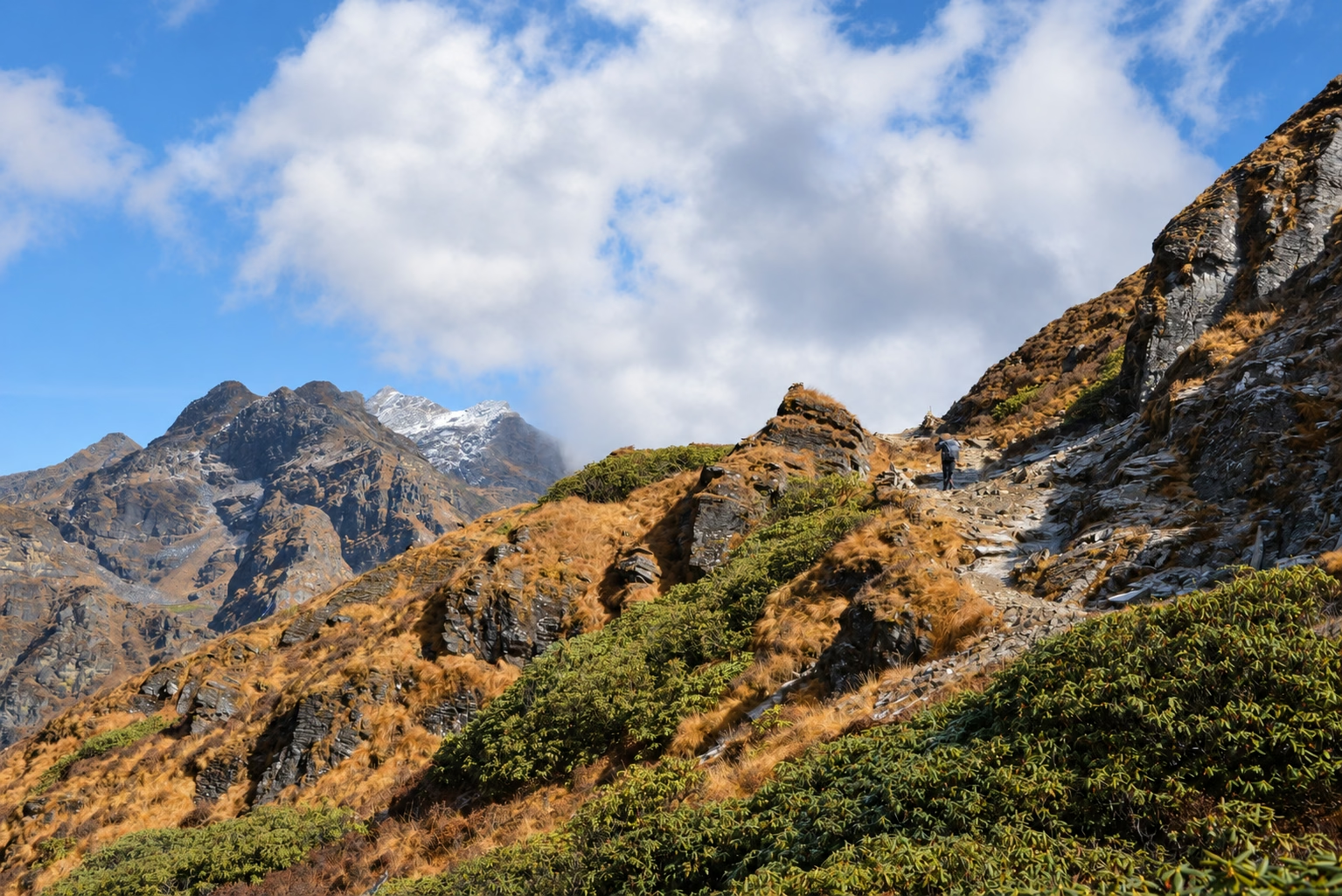
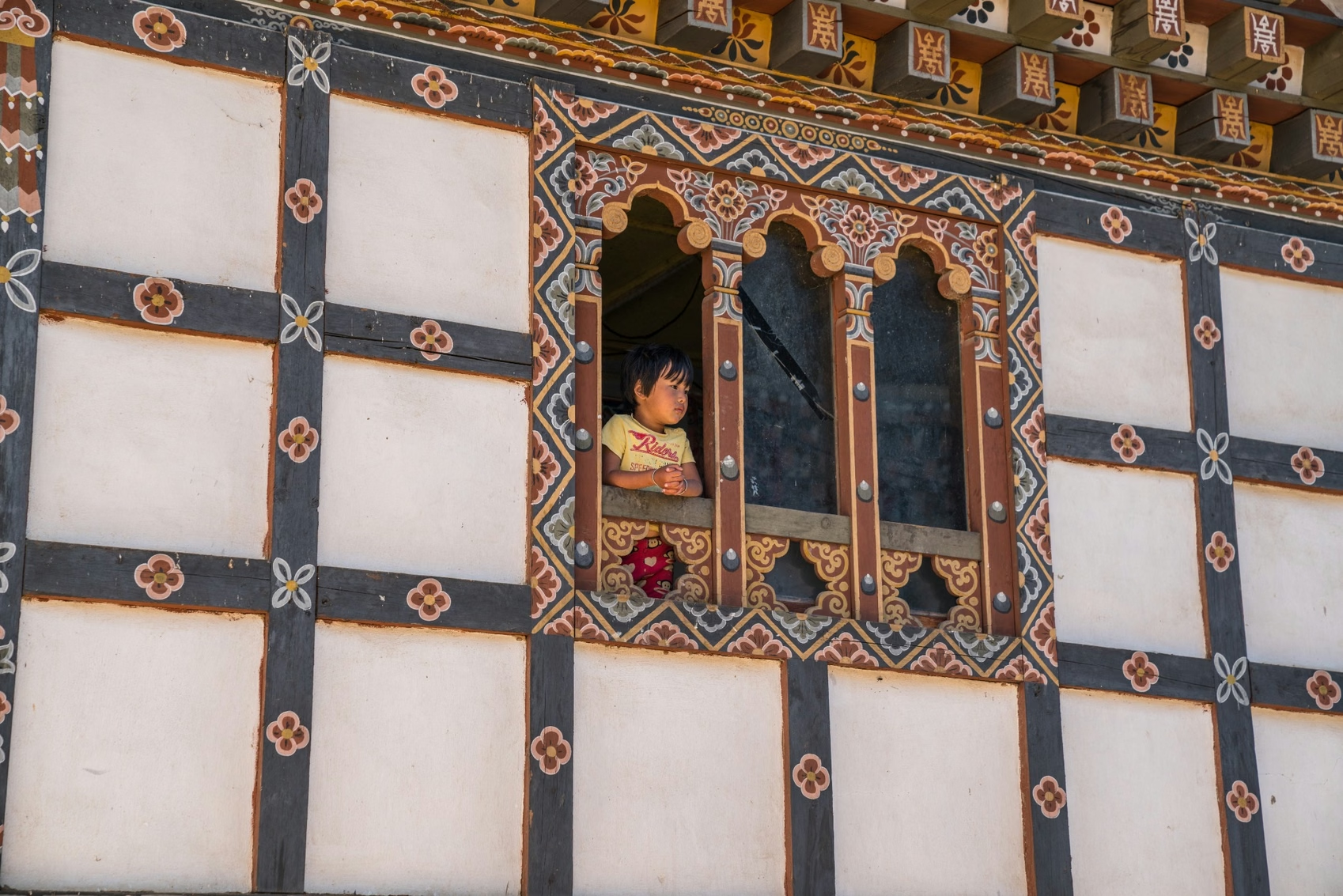

From Taksimakha through Laya and Lungu to the Nulithang high-camp area, with time to acclimatise, explore and return through the lower valley.
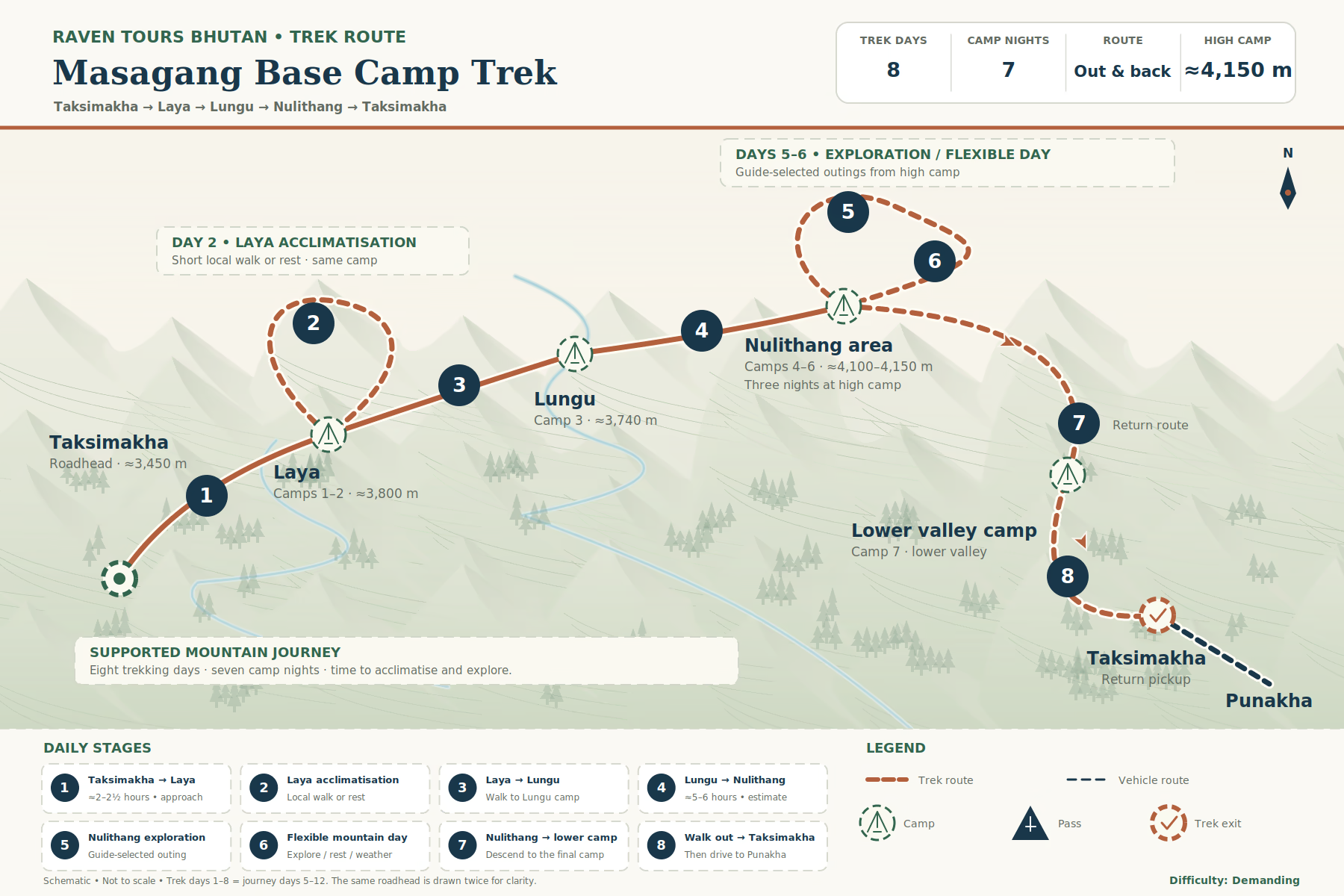
Select the map to view it full size. This schematic shows the trekking stages, camps and return route; it is not a navigation map.
Day by day
Fifteen days, with eight trekking days from the Laya approach to the walk out. Seven supported camp nights allow time for village life, acclimatisation and exploration around Nulithang.
Paro
Your Raven guide and chauffeur welcome you at Paro Airport. Settle into your accommodation, share a first cup of tea and leave the afternoon open to how you feel. If arrival time allows, take a short town or riverside walk. Over dinner, talk through the journey ahead, from village kitchens to the mountain camps. There is no need to rush into a full programme on your first day.
Paro · Tiger’s Nest
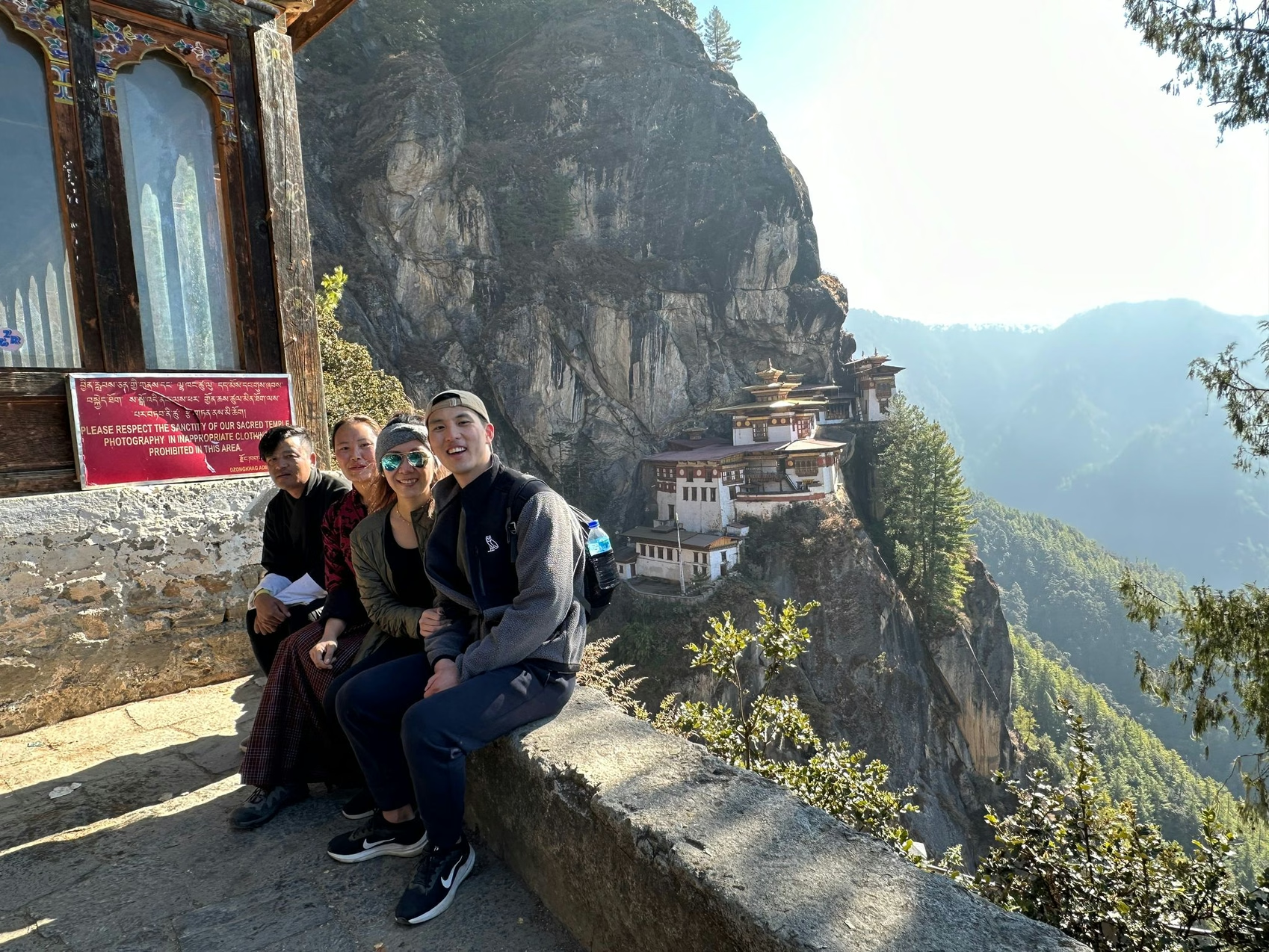
Walk towards Taktsang with your guide, allowing time for the climb, viewpoints and monastery visit. The trail includes uphill sections and steps, so choose a comfortable pace and discuss a shorter option if needed. Return to Paro for rest and a final check of boots, layers and trekking essentials. This is an introduction to walking at altitude; it does not replace the acclimatization arrangements needed for the high trek.
Paro → Dochula → Punakha
Leave Paro for Punakha, pausing at Dochula to stretch your legs and take in the landscape when the weather is clear. Continue into the valley for a visit to Punakha Dzong, with further stops chosen around the drive and opening hours. Later, settle into your homestay and join your hosts in the kitchen. Prepare a few dishes together, discuss ingredients and share dinner at the family table. The encounter unfolds around the household’s own rhythm.
Punakha · river and Neyzergang
Begin with a gentle yoga session in Punakha before turning towards the river for rafting and a leisurely riverside lunch. In the afternoon, visit Neyzergang Monastery for Raven’s signature tree planting and time with the community. Your guide introduces the monastery and its customs without hurrying the encounter. Rafting follows the river operator’s conditions on the day. Ziligang can be discussed as an alternative walk, rather than added to this already full programme.
Punakha → Gasa → Taksimakha → Laya
Drive north through Gasa to the agreed roadhead at Taksimakha, where the walking approach to Laya begins. Raven’s trekking team estimates approximately two to two-and-a-half hours from that point; road access, trail conditions and your pace can change the timing. Arrive at camp, meet the crew and keep the evening gentle. This direct ascent is retained in the working route, but the sleeping-altitude increase and each guest’s acclimatization plan require review before booking.
Laya · acclimatization day
Keep a second night at the same camp, with a short local walk if everyone is feeling well. There is time to notice the village, share tea with a welcoming host and learn from your guide about daily life in the highlands. Rest matters more than filling the day; your guide adapts the activity to how you feel.
Laya → Lungu
Continue towards Lungu, with time for the path and the settlements along it. Walk steadily, pause for the landscape and follow your guide’s pace. Any visit to a home is arranged with the hosts. Settle into your supported camp in the Lungu area for the evening.
Lungu → Nulithang
Leave the village setting and walk towards Nulithang. Allow approximately five to six hours, with breaks for food, water and the changing landscape. The high-camp area sits at roughly 4,100–4,150 metres. Settle into camp and leave the remaining afternoon for rest.
Nulithang · exploration
Spend the day exploring from camp, with the guide selecting a suitable walk for visibility, weather and how everyone is adapting. Mountain views depend on both the chosen viewpoint and cloud cover; they are not guaranteed from the tent door. Return to the same camp for a warm meal and a quiet afternoon. A high, steep viewpoint such as Chethola is not included as a standard promise.
Nulithang · flexible mountain day
Keep a further day in the high valley so the journey has room to respond to conditions. Choose another gentle exploration with your guide or a slower day around camp. Weather, trail conditions and how you feel shape the outing, with time to return for warm food and rest.
Nulithang → lower valley
Turn towards the lower valley, following the return corridor towards Taksimakha. The descent is shared across today and tomorrow, with a final supported camp along the way. Walk at a steady pace, pause for the views and share a farewell camp dinner with the crew.
Trail → Taksimakha → Gasa → Punakha
Complete the final walking stage to the agreed Taksimakha pickup point and travel back through Gasa to Punakha. The combined walk and drive can make this a long day, so leave sightseeing aside. Settle into your room, enjoy a nourishing dinner and ease into a traditional hot-stone bath in Punakha when arrival time permits. This closes the eight-day trekking component, including the first approach to Laya.
Punakha → Thimphu
Leave Punakha after breakfast and travel to Thimphu with comfortable breaks along the way. The afternoon belongs to recovery: settle into your hotel and enjoy the agreed spa treatment or massage in Thimphu. If you feel like a little more time outside, choose a gentle city visit with your guide. Keep the evening relaxed, with dinner at a local restaurant selected around your tastes.
Thimphu · forest paths and artisans
Begin with the Wangditse forest walk if your legs welcome another outing, or choose an easier morning. Later, visit Choki through a prearranged artisan experience, with time to understand the work and speak with the people behind it. Enjoy a leisurely local lunch. Select further visits, such as Buddha Dordenma or the Memorial Chorten, around your interests and the day’s pace instead of trying to see everything.
Thimphu → Paro Airport
Your chauffeur and guide take you directly from Thimphu to Paro Airport, with departure timed to your flight and an appropriate road and check-in allowance. There is no additional Paro hotel stay in this plan. After the mountain paths and shared tables, leave the morning simple: breakfast when timing allows, your bags ready and time for a proper goodbye.
Why Raven designed it this way
Two nights in Paro give the journey a gentle beginning. Two nights in Punakha make room for cooking, yoga, river time and the Neyzergang visit without another hotel change in between. The approach to Laya begins on Day 5; seven camping nights lead to the return to Punakha on Day 12.
After the trek, we keep one night in Punakha for the hot-stone bath and two in Thimphu for recovery, forest walking and artisans. There is no return stay in Paro: your final transfer runs directly from Thimphu to the airport.
Where you may stay
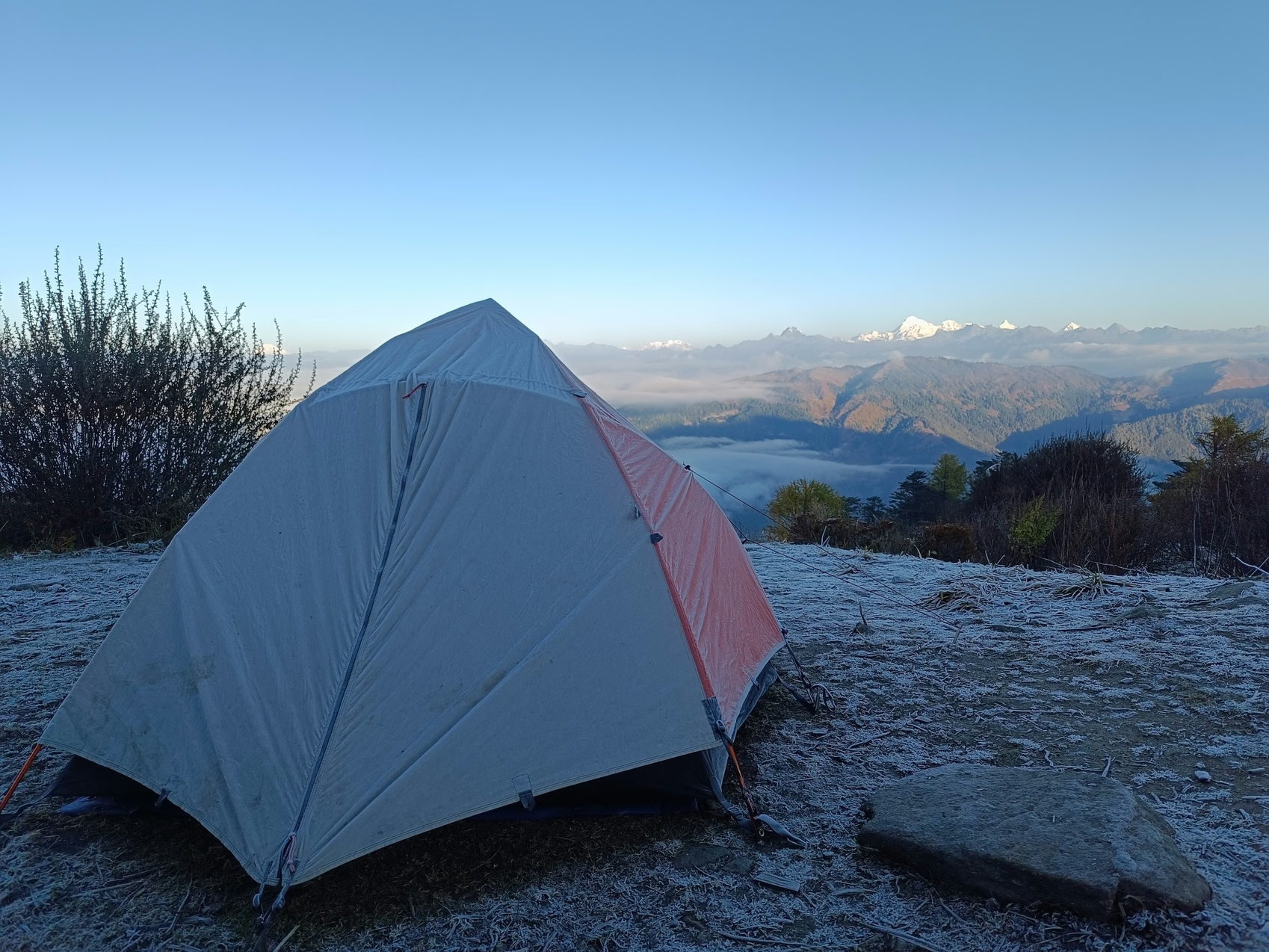
The fourteen-night plan combines a Punakha homestay, thoughtfully selected valley accommodation and seven supported camping nights. We choose stays around their place in the journey: a welcoming start in Paro, personal hospitality in Punakha and comfortable recovery in Thimphu.
Your proposal identifies all fourteen nights, named valley properties, homestay facilities, camping equipment, meals and agreed wellbeing treatments. Mountain camp locations remain subject to route verification.
Read Raven’s approach to staysPractical clarity
Your private proposal confirms the trekking crew, camp equipment, accommodation, meals, transport and activities. Visa or permit arrangements and applicable fees are itemized clearly; final inclusions follow the agreed proposal.
Included in the journey
Not normally included
Return gently
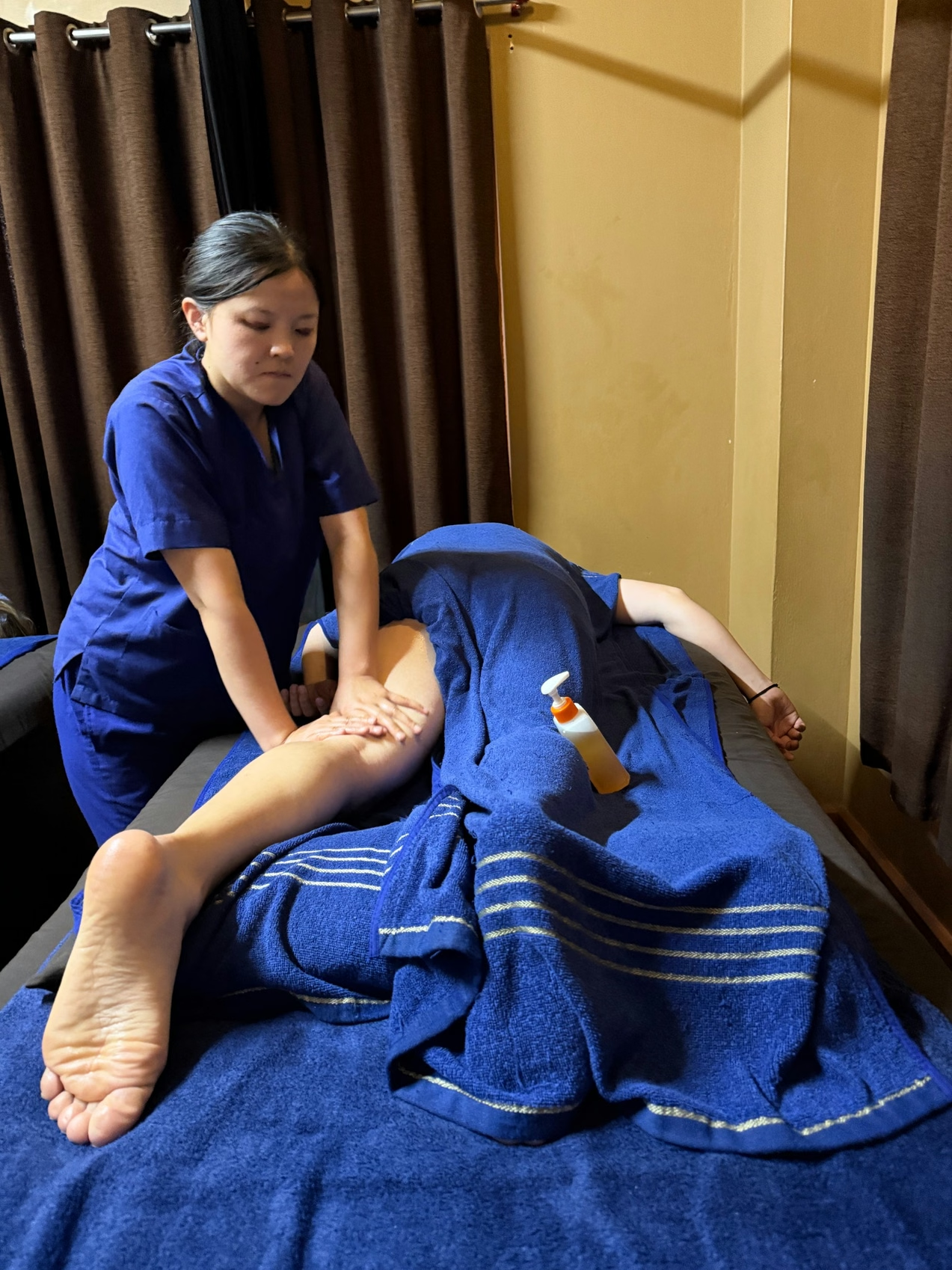
A hot-stone bath belongs to your return to Punakha. In Thimphu, a prearranged spa treatment or massage gives tired legs a quieter afternoon. Yoga takes place in Punakha before the trek. These moments support the rhythm of the journey; they are not a substitute for preparation or acclimatization.
Questions before you travel
Straightforward answers about the eight-day trekking component, altitude, seasons and camp life. Route details are finalized with Raven’s trekking team before booking.
Days 5–12 form the eight-day trekking component, including the drive-and-walk approach to Laya, acclimatization and exploration days, and the final walk out. There are seven camping nights, Days 5–11. The other seven nights are two in Paro, three in Punakha and two in Thimphu. Departure is on Day 15 directly from Thimphu to Paro Airport.
Walking times and elevations are approximate; allow additional time for lunch, photographs and rest. Laya is around 3,800 metres, Lungu around 3,740 metres and the Nulithang camp around 4,100–4,150 metres. Net elevation change compares two endpoints, while cumulative ascent and descent include every climb and dip. Exploration-day distance and highest point depend on the outing selected with your guide.
The ascent from Punakha to sleep in Laya is a substantial altitude increase. A short approach walk, fitness and the earlier Tiger’s Nest hike do not establish adequate acclimatization. Raven reviews the sleeping-altitude profile and each guest’s preparation before booking; extra staging nights or a longer trip may be necessary. Discuss personal suitability with a clinician experienced in altitude travel. Your guide can adjust the plan if someone becomes unwell.
Spring and autumn are the starting points for planning; May and late September–October merit discussion with the trekking team. June–August can bring monsoon rain, cloud and access disruption, so summer is not described as uniformly ideal. Exact monthly camp temperatures have not been verified. Your departure briefing will set out suitable warm layers, waterproofs and sleeping equipment using current forecasts and local conditions.
Expect a supported camping trek rather than hotel facilities in the mountains. Raven will confirm the tents, sleeping system, dining and toilet arrangements, washing facilities, crew and luggage allowance in writing. Be comfortable with consecutive walking days, uneven paths and changing weather. Mobile reception, charging and hot showers should not be assumed. Your insurance must cover the confirmed trekking altitude and emergency evacuation; weather and access can delay assistance.
Raven’s team can discuss four-day/three-night and six-day/five-night alternatives, subject to the verified route and your acclimatization; these do not automatically reach the same places. In this fifteen-day plan, cooking and homestay time, yoga, rafting, riverside lunch and tree planting at Neyzergang are in Punakha. The hot-stone bath is in Punakha after the trek; spa or massage and a Choki artisan experience are in Thimphu.
Your journey starts with a conversation
Tell us your preferred dates, recent trekking experience, comfort with camping and the kind of encounters you value. We will discuss a private Masagang journey with an appropriate mountain plan and a thoughtful return to the valleys.
Plan this journey with Raven