 BHUTAN
Who it suits
Solo travellers, couples and close friends seeking quiet, cultural immersion and time for reflection. No Buddhist background is needed.

Private Bhutan Spiritual Retreat
A private journey through monastic life, farmhouse hospitality and sacred landscapes, with time to walk, meditate and simply be.
The journey in one thought
This private 22-day journey gives you time to spend with Bhutan’s spiritual communities. Farmhouse days in Punakha lead into the secluded valley of Khotokha, the forests and wetlands of Phobjikha, and the hill monasteries of Thimphu and Paro.
Prayer, shared meals and unhurried walks give the journey its shape. Between them, there is space for reading, meditation and personal reflection, with your Raven guide close when needed and room to be on your own.
Solo travellers, couples and close friends seeking quiet, cultural immersion and time for reflection. No Buddhist background is needed.
Gentle days with several longer walks. Dodeydra and Tiger’s Nest require moderate fitness; your guide helps set the pace.
Private, patient and lightly structured, with simple facilities and flexibility around monastery life.
The story of the journey
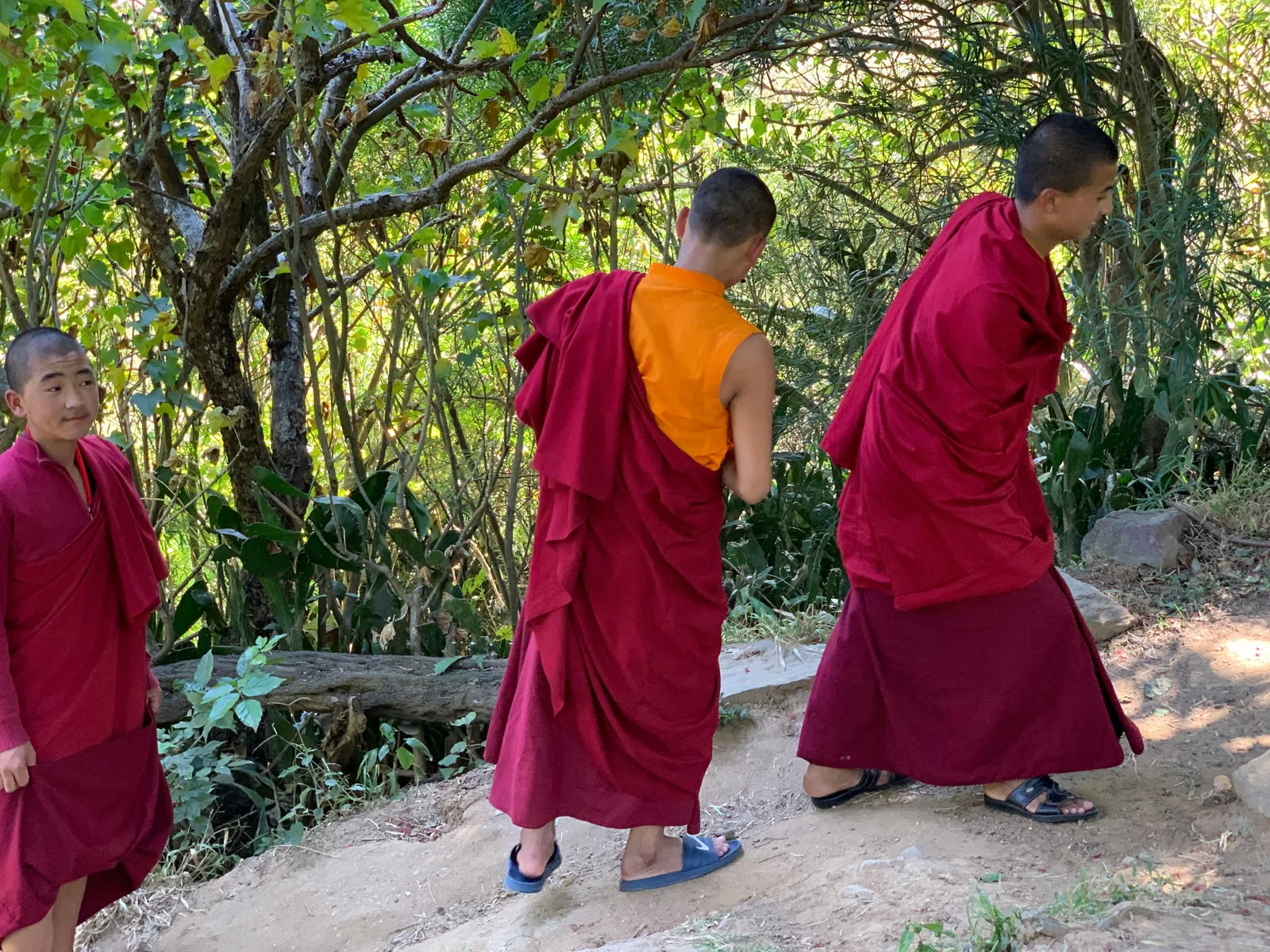
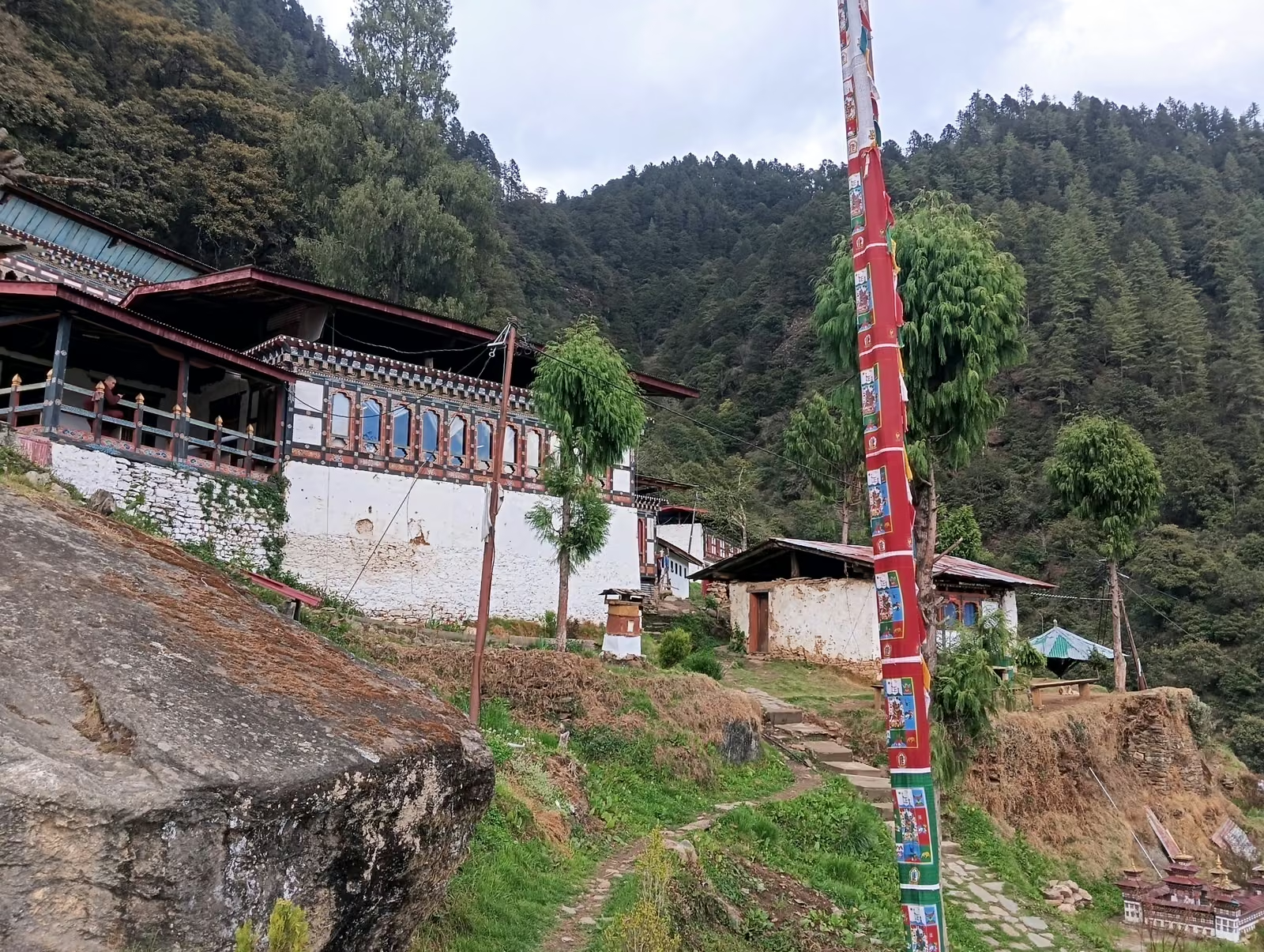
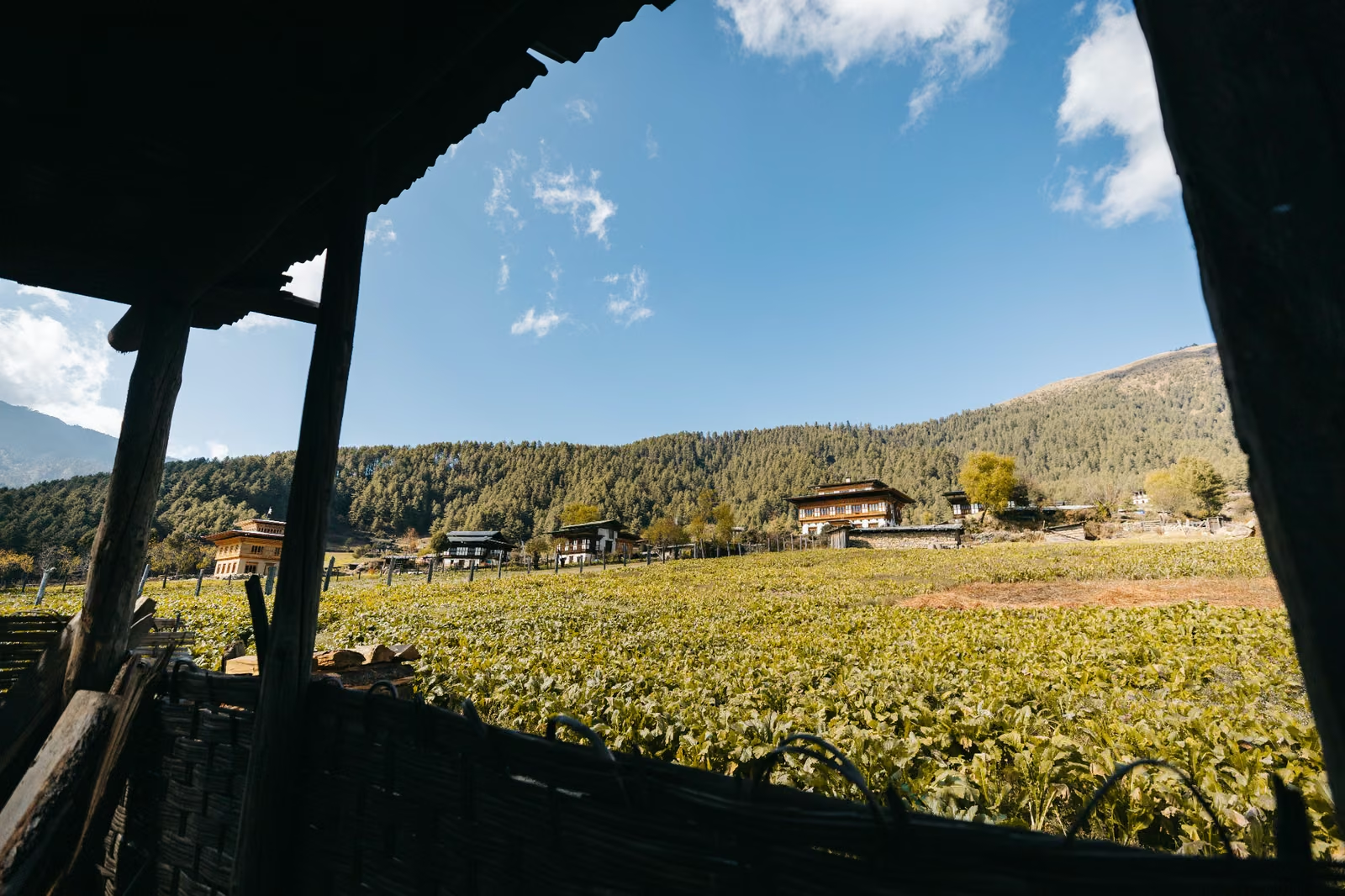
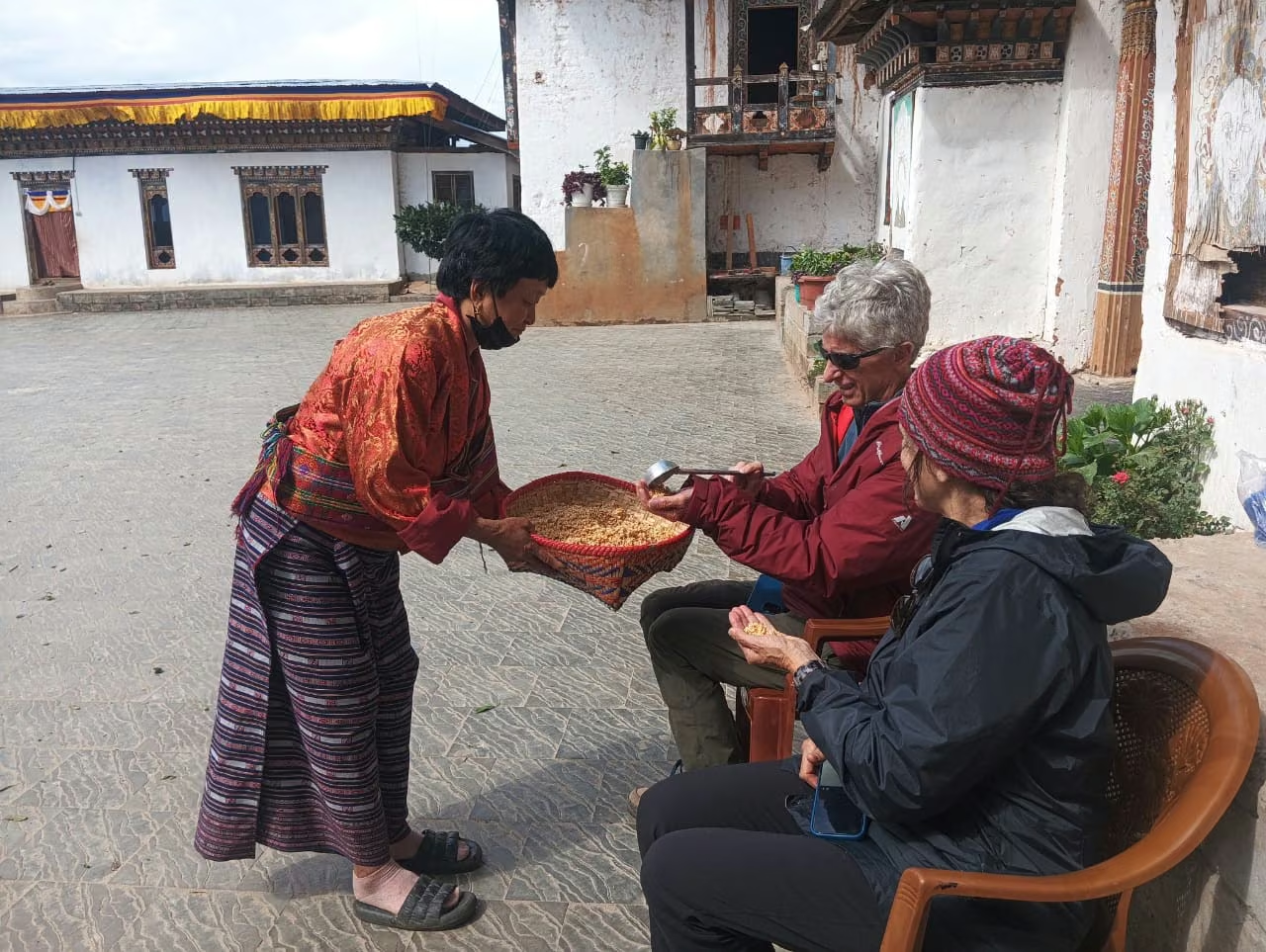
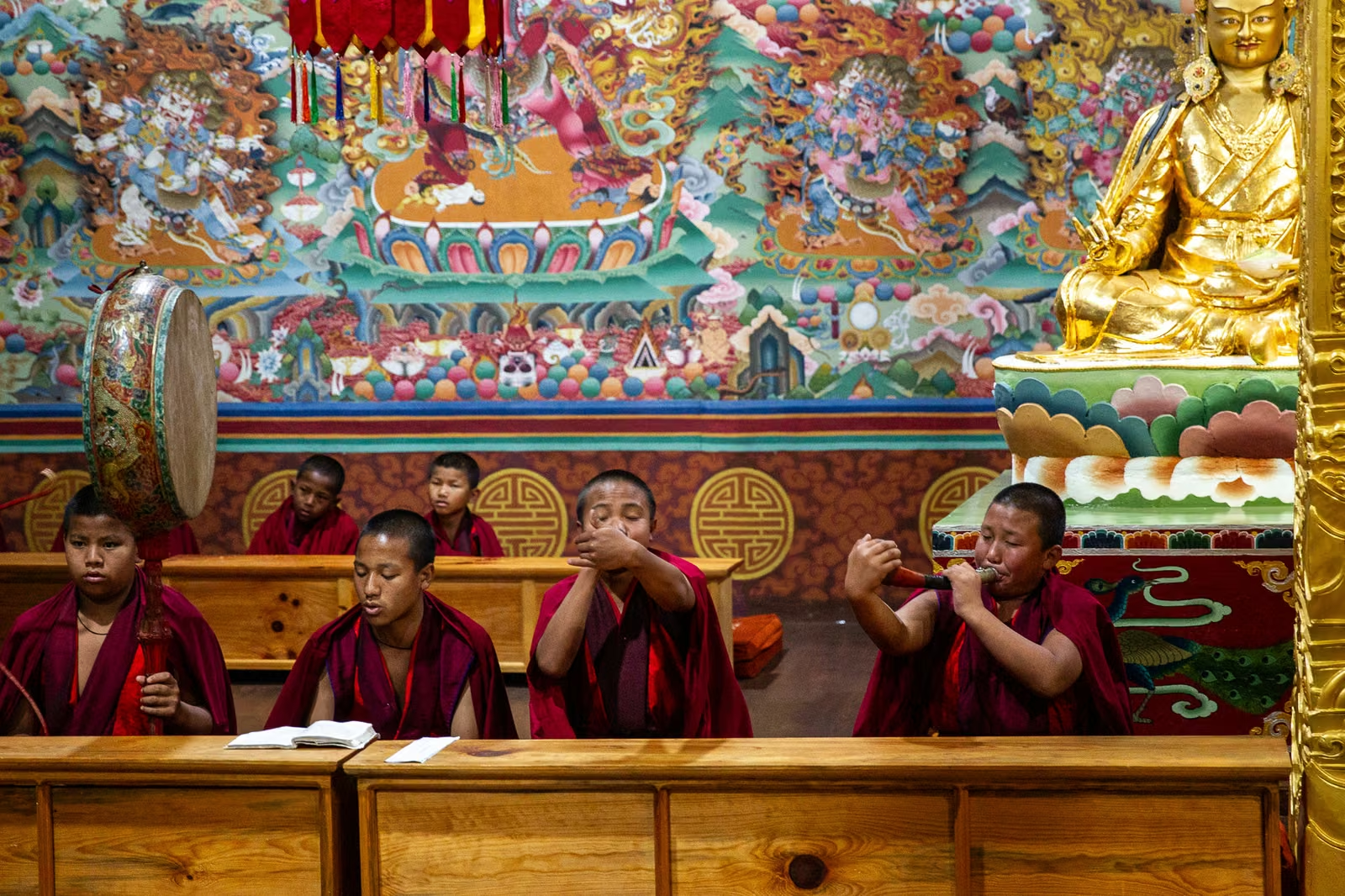
The experience unfolds through people, landscapes and the daily rhythms of living monasteries.
Day by day
Monastery routines, ceremonies and meal times are determined by the resident community. The journey therefore remains flexible and respectful rather than imposing a tourist schedule on monastic life.
Arrive at Paro International Airport, where your Raven guide and chauffeur welcome you to Bhutan. Travel through the river valleys to a peaceful countryside stay near Thimphu rather than beginning with formal sightseeing.
Settle in with warm tea, a nourishing dinner and time to rest. Your guide will introduce the character of the journey and discuss how much guidance, private time and daily structure you prefer.
DAY ESSENTIALS
Travel towards Punakha across Dochula Pass, pausing among its 108 chortens and prayer flags. On clear days, the pass may offer views towards Bhutan’s northern mountains.
Descend into the warmer Punakha Valley and continue to a village farmhouse surrounded by fields and orchards. Meet your hosts, settle into the household rhythm and share your first home-cooked meal.
DAY ESSENTIALS
Wake to village life and spend the morning walking through nearby fields, orchards and traditional homes with your host or guide. Learn how farming seasons, family responsibilities and Buddhist customs shape daily life in rural Punakha.
Later, join the household in preparing a simple Bhutanese meal. The afternoon remains free for reading, journaling, rest or an independent walk around the immediate farmhouse surroundings.
DAY ESSENTIALS
Begin with a gentle breathing or meditation session in a quiet place near the farmhouse. The remainder of the morning is intentionally open: sit outside with tea, help in the garden or continue a personal practice.
Later, take a relaxed walk towards the river or a nearby village temple, learning about prayer flags, household altars and the place of Buddhism in family life without turning the experience into a lecture.
DAY ESSENTIALS
Spend the morning learning another aspect of countryside life according to the season—perhaps vegetables, traditional food preparation, a neighbouring household or a small community activity.
After lunch, keep an extended period entirely for yourself. Read, sleep, meditate, write or simply sit outside. In the evening, your guide can facilitate an informal conversation about Bhutanese beliefs, compassion, karma and spiritual practice in everyday life.
DAY ESSENTIALS
Keep the final farmhouse day simple. Return to a favourite walking route, help prepare lunch, spend time with the family or try a half-day digital break.
Where availability permits, meet a qualified Buddhist teacher or learned practitioner for an informal introduction to meditation and Buddhist philosophy before preparing for the following day’s journey into Khotokha.
DAY ESSENTIALS
Travel into the forested highlands of Khotokha and arrive at Rinchenling Shedra, surrounded by open valley landscapes and blue-pine ridges.
Meet the monastery representative, learn the basic rules of the community and settle into your simple room. Depending on arrival time and permission, attend evening prayers or sit quietly near the prayer hall.
DAY ESSENTIALS
Rise early enough to join morning prayers when the monastery programme allows. Your guide or a monk can help explain basic etiquette and selected practices without expecting you to understand every ritual.
Share a simple breakfast, spend time learning about life in the shedra and reserve the afternoon for meditation, reading and an unhurried valley walk.
DAY ESSENTIALS
Begin with monastery prayers or your own silent practice. Where permitted, observe part of the monks’ study routine or philosophical debate respectfully rather than as a performance.
Later, a conversation with a learned monk may explore compassion, impermanence, meditation, discipline or how Buddhist teachings can be applied outside a monastery. Keep the remainder of the afternoon free to absorb the experience.
DAY ESSENTIALS
Explore the wider spiritual landscape surrounding Khotokha. Depending on weather, road conditions and local permission, walk towards Dolung Goemba, Dechen Draphu, a sacred spring or another pilgrimage place recommended by the monastery.
Carry a simple packed meal and spend part of the day walking quietly through pine forest and open pasture before returning to Rinchenling for rest and evening prayers.
DAY ESSENTIALS
Keep the final full day at Rinchenling lightly structured. Choose a period of personal silence, attend prayers, help with an appropriate small monastery task or make a butter-lamp offering.
Meet any monks with whom you have formed a connection and reflect on the difference between a temporary retreat and the lifelong discipline of monastic practice.
DAY ESSENTIALS
Leave Khotokha and travel towards Phobjikha Valley. Pause at a suitable mountain location to hoist prayer flags, with your guide explaining their meaning and helping ensure they are placed respectfully.
Arrive in Phobjikha and settle into a peaceful valley stay overlooking fields, forest and wetlands. In the colder months, black-necked cranes may be present, though wildlife sightings can never be guaranteed.
DAY ESSENTIALS
Visit Gangtey Monastery early when access and the monastic schedule allow a quieter experience. Sit respectfully during prayers or spend time observing the monastery and the valley below.
Continue along the Gangtey Nature Trail through pine forest, open pasture and traditional settlements. Keep the afternoon free for journaling, tea, nature observation or simple rest.
DAY ESSENTIALS
Travel back towards Punakha with relaxed breaks along the forested road. Later, visit Punakha Dzong at the meeting point of the Pho Chhu and Mo Chhu rivers.
Take time to understand how the dzong continues to function as a religious, administrative and ceremonial centre before settling into a quiet countryside stay.
DAY ESSENTIALS
Walk through fields and farming settlements towards Khamsum Yulley Namgyal Chorten. The trail rises gradually to the hilltop temple, where you can pause for broad views across the Mo Chhu Valley.
After descending, enjoy tea or a simple picnic beside the river. The remainder of the afternoon is left open for journaling, rest or a gentle riverside walk.
DAY ESSENTIALS
Visit Neyzergang for a personal Raven experience centred on spiritual connection and responsible participation. Plant a young tree, light butter lamps and spend time with the resident monks.
Where suitable, join prayers or receive a simple explanation of monastery practice. A Buddhist astrology reading may also be possible subject to the availability of a qualified practitioner.
DAY ESSENTIALS
Spend the final Punakha day with a lighter cultural programme. Try archery or khuru in an informal setting, share another home-style meal and leave time to revisit a favourite place or simply rest.
A gentle Mo Chhu river float may be arranged instead for guests who prefer quiet time on the water, subject to conditions.
DAY ESSENTIALS
Travel towards Thimphu, pausing at Dochula for a warm drink or lunch. From the northern side of the capital, begin the forest hike to Dodeydra Monastery through pine woodland.
The route gains roughly 600 metres before reaching the secluded monastery above the city. Settle into your simple room, share a monastery meal and attend evening prayers when permitted.
DAY ESSENTIALS
Wake within the forested monastery environment and join morning prayers according to the community schedule. Share simple meals, speak with resident monks and spend time around the monastery grounds.
Dodeydra is a living monastic institute rather than a visitor retreat, so the day follows the rhythm of the resident community. The afternoon may include personal meditation, a forest walk or a conversation with a resident lama.
DAY ESSENTIALS
After morning prayers and breakfast, bid farewell to Dodeydra and walk back down through the forest. Travel to Paro and visit Tara Monastery in the hills above the valley.
Later, meet a Bhutanese artisan for a sand-mandala experience, using coloured sand and traditional tools while learning about concentration, patience and impermanence. Settle into a quiet countryside retreat for the final two nights.
DAY ESSENTIALS
Begin early for Paro Taktsang, widely known as Tiger’s Nest Monastery. Approach the day as a pilgrimage rather than a race to a famous attraction, walking steadily through pine forest and allowing time for prayer wheels, tea and reflection.
After visiting the sacred complex, descend at your own pace and keep the remainder of the day quiet. A traditional hot stone bath may be added separately for physical recovery.
DAY ESSENTIALS
Enjoy a quiet breakfast and final view of Paro Valley before your private airport transfer. Depart after a journey shaped less by the number of sights visited than by the time spent listening, observing, walking and living alongside Bhutan’s spiritual communities.
DAY ESSENTIALS
Why Raven designed it this way
Longer stays allow you to settle in. A morning prayer, a conversation or a walk can become the centre of a day, with no need to fill every hour.
This is a cultural and spiritual journey, rather than a clinical wellness programme, therapy retreat or formal silent meditation course. Raven provides respectful access and practical support; there is no expectation of a particular belief, practice or personal outcome.
Where you may stay
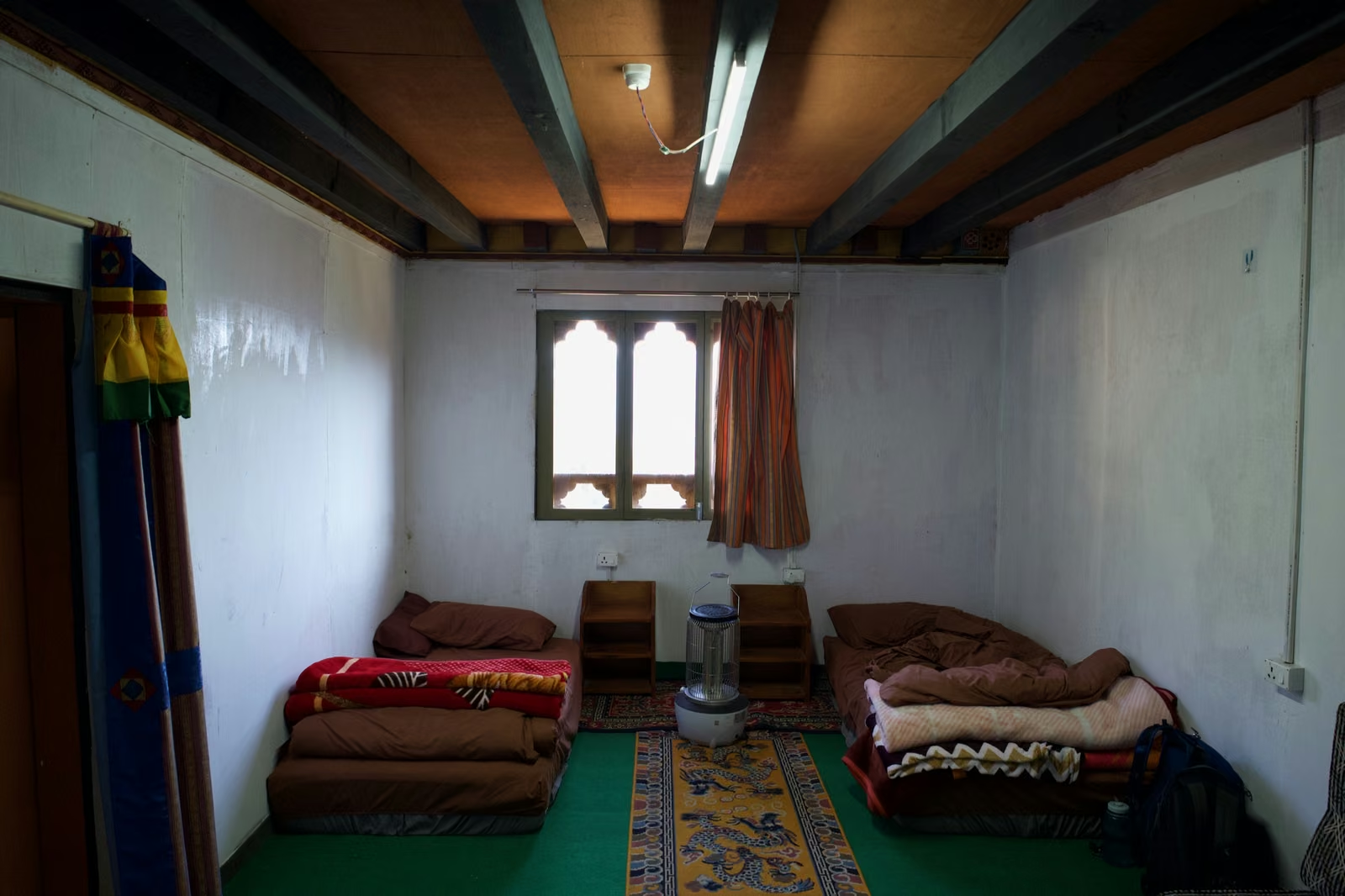
Farmhouse hospitality and peaceful countryside stays balance time at Rinchenling and Dodeydra. Monastery rooms and meals are simple, with facilities and connectivity that may be limited.
These are living religious institutions. Prayers, study and community responsibilities come first; access, accommodation and teacher availability are reconfirmed in advance, and routines may only become clear on arrival.
March–May and late September–November are generally preferred. Selected winter departures depend on monastery access, road conditions and guest comfort.
Practical clarity
Your private proposal confirms monastery permissions, accommodation, meals, activities and the applicable Sustainable Development Fee. Raven coordinates the arrangements and remains available throughout.
Included in the journey
Not normally included

Optional extensions
Add a traditional farmhouse hot stone bath in Punakha or Paro for physical relaxation after walking days.
Extend the stay at Rinchenling, Dodeydra or another approved monastic institution when accommodation and permission allow.
If Tiger’s Nest is not physically appropriate, replace the final hike with Kyichu Lhakhang, Tara Monastery, quiet countryside walking and additional time for prayer or reflection.
Follow the Dopshari–Gerikha TBT hiking route for 5.2 km to the road point. Allow around two hours, depending on your pace. The highest point is 2,515 metres above sea level. When visibility allows, three successive views take in Dopshari village with Paro Rinpung Dzong and the National Museum; Paro Tshongdue Town and the airport runway; and Paro Nemjo, Kyichu and Tsendona villages.
Questions before you travel
A few practical answers about monastery life, comfort and the pace of the journey.
No. This is a private spiritual and cultural journey with extended monastery stays, meditation time and opportunities to attend prayers.
It does not follow a fixed residential retreat curriculum, and no previous meditation experience is required.
Overnight stays may be possible at selected monasteries through established local relationships and advance permission.
They are never treated like ordinary hotel bookings. Raven reconfirms access, accommodation and appropriate conduct before the journey.
Where monastery arrangements allow, you may share simple meals in or near the monastic community.
Dining arrangements vary according to the institution, prayer schedule, ceremonies and number of residents present.
Usually, guests may sit quietly during selected prayers when the monastery grants permission.
Access can change because of private rituals, teachings or community responsibilities, so attendance cannot be guaranteed every day.
No.
The journey welcomes travellers of any faith or no particular faith. The only requirement is a respectful interest in learning about Bhutanese Buddhist traditions.
Considerable private time is intentionally included.
Your guide remains responsible for your safety and arrangements but will not accompany you constantly when it is appropriate and safe for you to spend time alone.
No. Conversation with guides, hosts and monks forms an important part of the experience.
However, periods of personal silence or a half-day digital break can be incorporated according to your preference.
Expect clean but simple accommodation.
Facilities may include a basic private or shared bathroom, limited heating, firm bedding and few decorative comforts. Exact arrangements will be confirmed before booking.
Connectivity may be limited or unreliable in remote valleys and monasteries.
This supports the slower nature of the journey, but Raven will explain where communication is available and how your guide can be contacted.
Many monastery meals are predominantly vegetarian and based on rice, vegetables, cheese, lentils, noodles or simple soups.
The variety may be limited. Dietary requirements should be discussed before confirmation.
Yes, the journey can be arranged privately for a solo woman, subject to the same monastery permissions that apply to every guest.
A dedicated guide, chauffeur, prearranged stays and in-country support are included throughout.
Wear modest clothing that covers the shoulders and knees.
Remove hats and sunglasses before entering prayer halls, speak quietly and follow your guide’s instructions regarding shoes, seating and sacred objects.
Photography rules vary.
Always ask before photographing people, and never photograph inside temples or during ceremonies unless your guide confirms that permission has been granted.
Most days are gentle, but the itinerary includes the Dodeydra forest ascent, Khamsum Yulley walk, Gangtey Nature Trail and Tiger’s Nest hike.
The programme can be adjusted, although Dodeydra and Tiger’s Nest require moderate fitness.
Monasteries are living religious communities, and their prayers, ceremonies and responsibilities take priority over visitor plans.
Raven will adjust the programme respectfully and arrange another meaningful experience when access changes.
Yes.
A shorter version may focus on Punakha, Rinchenling and Paro, although reducing the length also reduces the time available to settle into monastic life.
Spring and autumn generally offer comfortable conditions for valley walks and monastery travel.
Winter is quieter and may provide black-necked crane sightings in Phobjikha, but nights and early mornings can be cold. Bhutan’s official tourism information places the main Phobjikha crane period from approximately mid-November to the end of February.
Your confirmed proposal will explain which butter lamps, prayer flags, monastery contributions or community offerings are included.
Additional personal donations remain voluntary and should be given discreetly through the appropriate monastery representative.
Your journey starts with a conversation
Tell us why you are seeking time away, how much solitude you prefer and what level of comfort you require. We will shape the journey privately and respectfully around you.
Plan this journey with Raven