 BHUTAN
For regular hill walkers
For active couples, friends and private families comfortable with uneven paths, steady climbs and long descents. No technical climbing experience is needed.
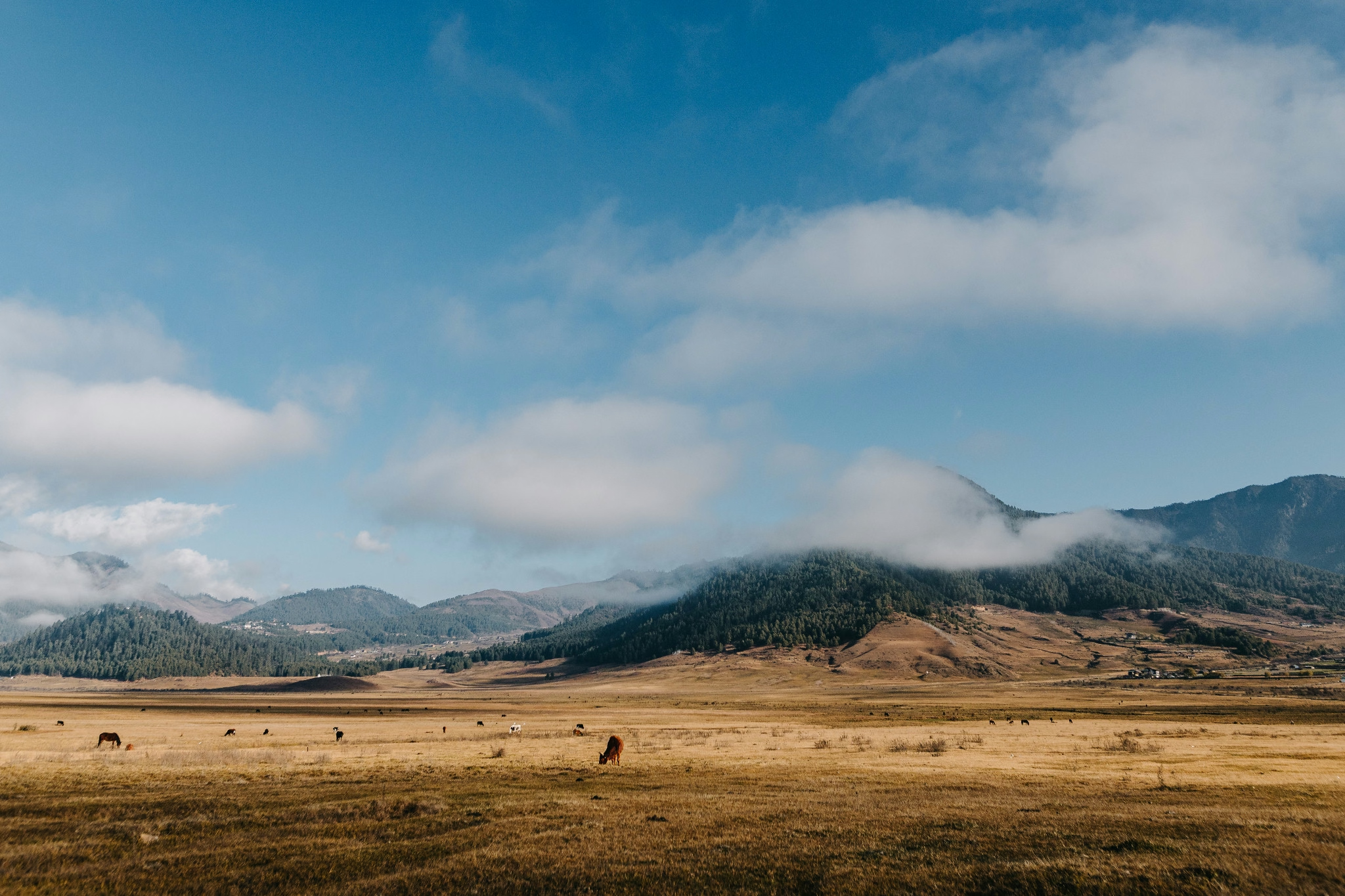
Private hotel-based hiking journey · 16 days
Historic trails, forest paths and sacred valleys across western and central Bhutan. Walk by day, return to comfort each evening. No camping.
The journey in one thought
Follow historic sections of the Trans Bhutan Trail, village paths and monastery walks from Haa and Paro to the quieter valleys of central Bhutan. Cross Kaley La, climb through forest to Dochula, explore Punakha’s rural hills and walk the highland landscapes around Phobjikha and Trongsa.
Two nights at Ogyen Choling give Tang Valley time to unfold before the Bushman Trail leads towards Jakar. A scheduled domestic flight returns you to Paro for recovery and Tiger’s Nest. Your luggage travels by vehicle; every night is in a hotel, lodge, farmhouse or heritage residence.
For active couples, friends and private families comfortable with uneven paths, steady climbs and long descents. No technical climbing experience is needed.
Walks range from easy recovery outings to six or seven hours on the trail. Several days rise above 3,000 metres; this is an active hiking journey.
Carry only a daypack. Your guide checks routes locally and can shorten selected walks, with private transport, trail meals and comfortable rooms arranged around you.
Moments along the way
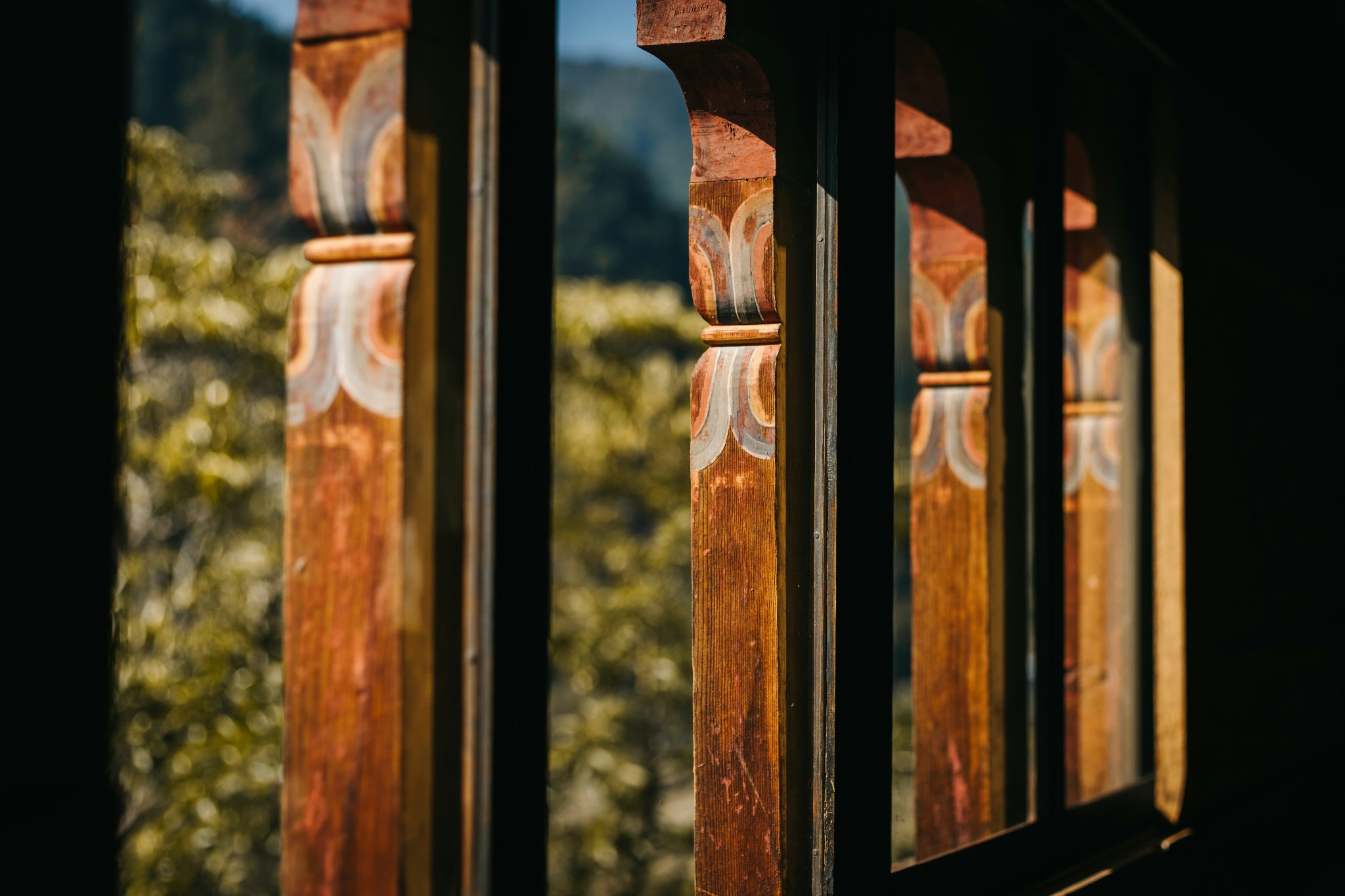
Forest light, everyday paths and the small details that make travelling on foot worthwhile.
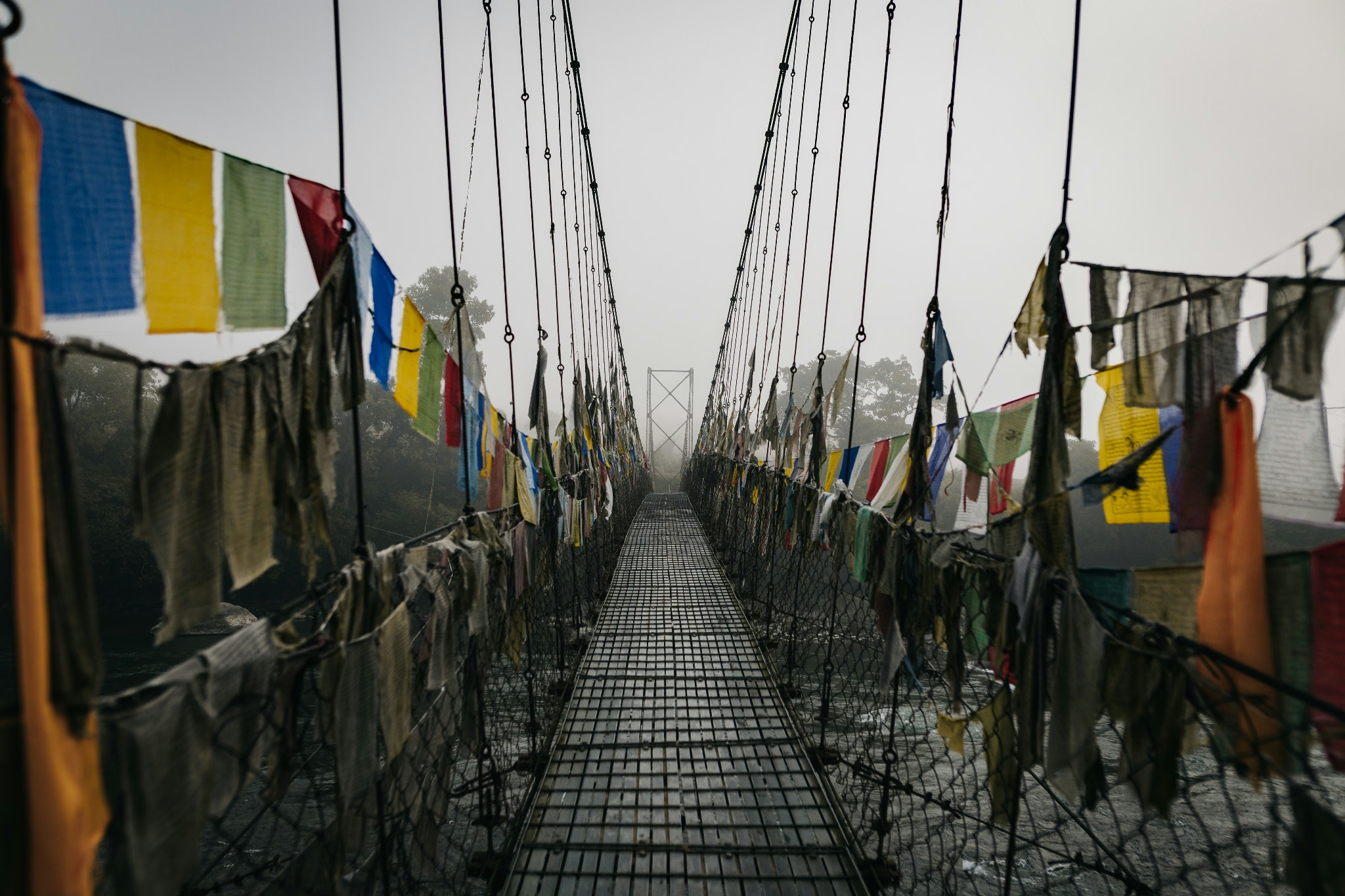


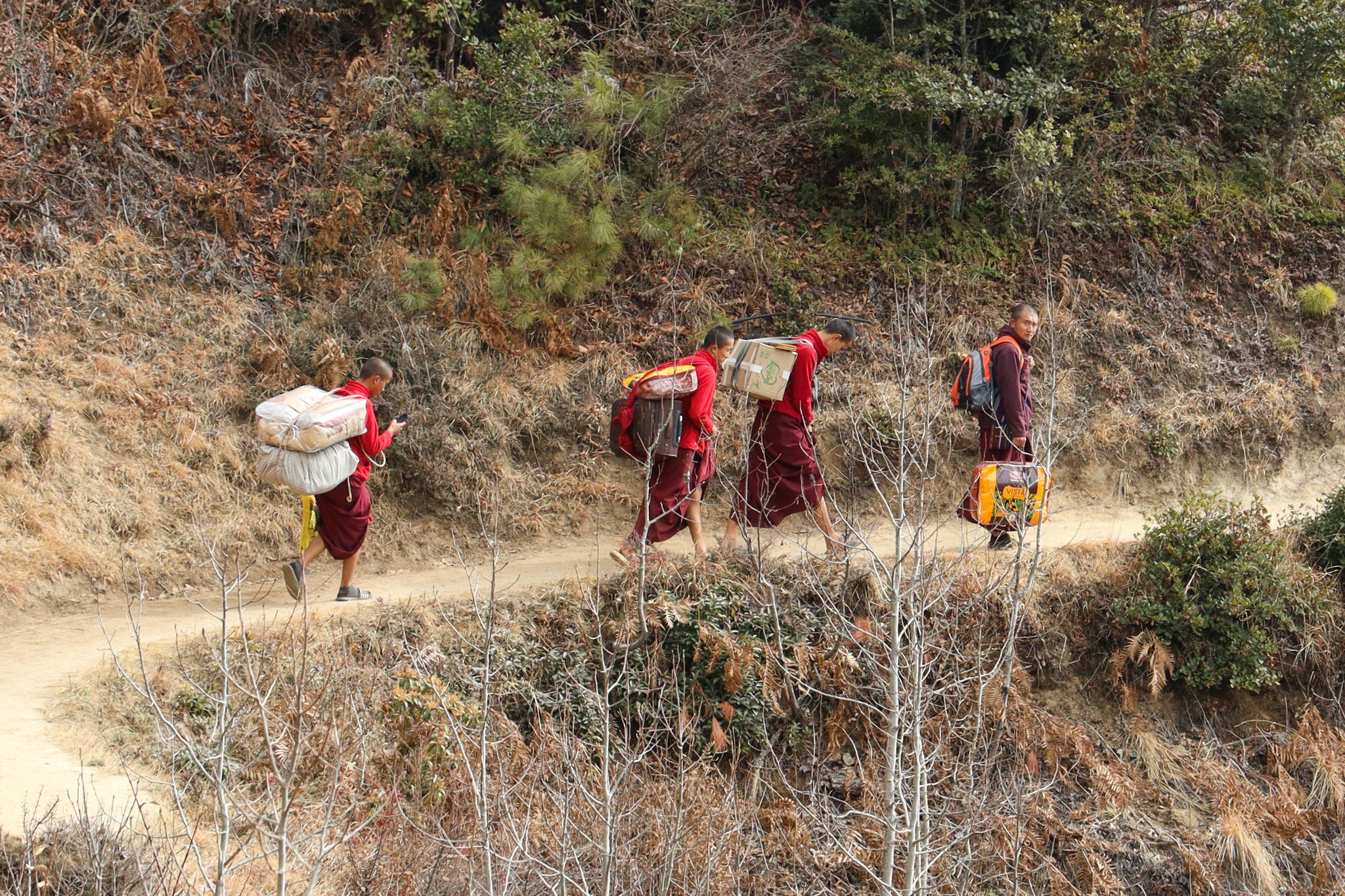
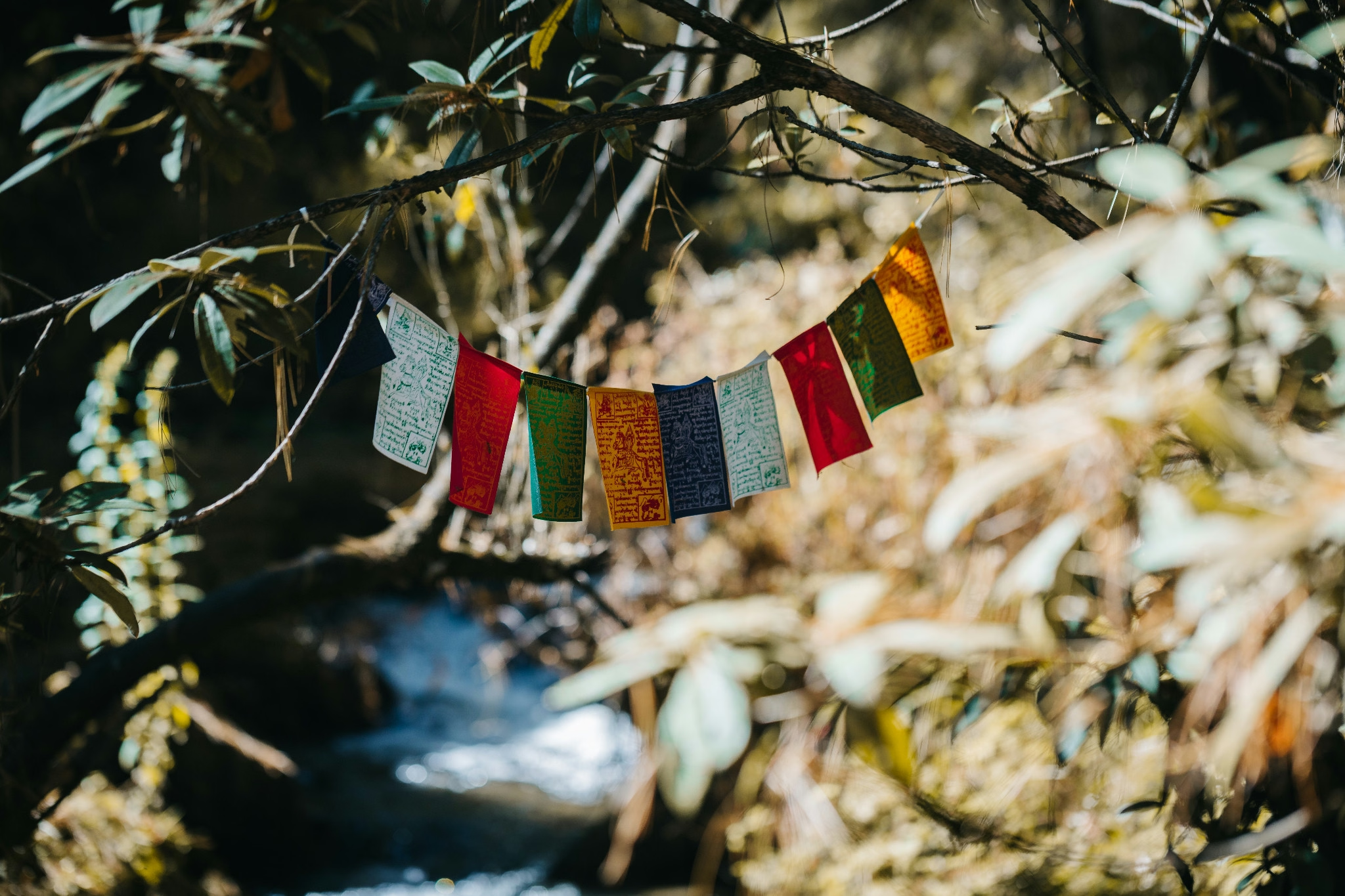
Walking with local knowledge
Distances are approximate. Your guide chooses the best current alignment and suitable vehicle meeting points.
Day by day
A privately guided route through western and central Bhutan, with lighter days between the longer walks.
Arrive at Paro International Airport, where your Raven guide and chauffeur welcome you to Bhutan. Settle into a comfortable countryside stay and allow time to recover from the flight.
Later, take an easy walk through nearby farmland and village lanes. The purpose is simply to loosen your legs, become familiar with the altitude and establish a natural walking pace with your guide before the longer days begin.
Travel towards Chele La, the high road pass between Paro and Haa, and begin a forest walk towards Kila Nunnery. Prayer flags, highland vegetation and open viewpoints accompany the route when weather is clear.
After visiting the nunnery respectfully, meet your vehicle and continue into Haa. Finish with a relaxed village walk and tea or a simple local meal before settling into the quieter western valley.
Begin near Katsho and follow the historic trail linking Haa and Paro. The route climbs through pasture, pine and rhododendron forest towards Kaley La before a long descent through bamboo, woodland and rural settlements into Paro Valley.
Pause near the pass for a trail picnic and meet the support vehicle at the most suitable road-access point after the descent.
After the previous day’s high-pass crossing, slow the pace with a gentler walk through rural Paro. Your guide selects a suitable route around Dopshari or a similar countryside area according to weather and how your legs feel.
Walk through farmland, forest edges and traditional settlements before finishing with a farmhouse lunch. Later, travel to Thimphu and keep the evening free for recovery.
Begin near Simtokha and follow part of the historic route eastwards towards Hongtsho. Orchards, gardens, small settlements and forested slopes reveal a quieter corridor that once linked Thimphu with the valleys beyond.
Rather than forcing the entire approach to Dochula into one long day, this journey divides it into two more manageable walking stages. Meet your vehicle near Hongtsho and return to Thimphu after a well-earned meal and rest.
Return to the Yusipang area and begin walking through orchards before entering mossy pine and rhododendron forest. The steady climb leads towards Dochula Pass, where 108 chortens and Himalayan views provide a memorable arrival when skies are clear.
After lunch and time to rest, continue by vehicle into Punakha’s warmer river valley. The final trail alignment is reconfirmed locally before each departure, particularly after heavy rain or forest work.
Follow rural paths through farmland and chir-pine forest towards Jiligang. As the trail rises, views open across the Mo Chhu, surrounding villages and Punakha Dzong.
Visit Jiligang Lhakhang before continuing along the ridge and descending towards the chosen road-access point. The exact start and finish are reconfirmed by Raven’s guide team according to current trail conditions.
Begin with an easy recovery walk through Punakha’s fields, riverbanks or village roads. Depending on the final stay, the morning may also include gentle stretching, a farm visit or time around seasonal produce.
After lunch, travel towards Gangtey and Phobjikha. On arrival, walk a selected part of the Gangtey Nature Trail through pine forest, pasture and farming settlements before settling into the valley.
Drive to the Longtey area and begin a rewarding walk through conifer, birch, bamboo and rhododendron forest. The trail rises towards open highland scenery before descending into the wider Phobjikha landscape.
Pause during the woodland section for a simple forest-bathing practice centred on sound, breath and attention to the natural surroundings rather than distance alone.
Travel towards the Pele La highlands and join a selected section of the historic east–west trail. Walk through open uplands, rhododendron forest and yak-herding country towards the Chendebji side of the route.
Stronger walkers may complete a longer section, while Raven can use vehicle support to shorten the day when weather, trail conditions or fitness make that the better choice.
Begin with a historic walk through the dramatic landscape around Trongsa. Follow part of the old approach near the fortress, descending towards the traditional river-crossing area and climbing to a viewpoint across the gorge.
After lunch, continue by vehicle across central Bhutan towards Tang Valley. Reach Ogyen Choling in the late afternoon and settle into the ancestral estate for a quieter evening.
Explore the ancestral manor and museum before taking an unhurried walk through Tang Valley’s village lanes, fields and riverside landscapes.
This is intentionally a lighter day between longer central-Bhutan walks. The afternoon remains open for tea, reading, photography or simple recovery within the heritage setting.
Transfer to the most suitable Bushman Trail starting point in the Tang or Bebzur area. The route climbs initially before entering pine forest, pasture and open clearings overlooking the wider Bumthang landscape.
Continue towards the Jakar or Kharchu side, where your vehicle meets you. Because local descriptions and alignments vary, Raven reconfirms the exact start, finish and current trail condition before each departure rather than claiming a fixed starting point at Ogyen Choling itself.
Take the scheduled domestic flight from Bumthang to Paro, subject to airline operation, visibility and weather. After arrival, settle into a peaceful hotel and keep the afternoon deliberately light.
Choose a traditional Bhutanese hot stone bath or restorative massage to ease tired muscles before the final hike, with only a short riverside walk if you feel like moving.
Begin early for the hike to Paro Taktsang, widely known as Tiger’s Nest Monastery. Walk steadily through pine forest, allowing time for tea, photographs and rest before reaching the sacred complex built into the cliff.
Descend at a comfortable pace and gather for a relaxed farewell dinner celebrating sixteen days of walking through Bhutan’s forests, villages, high passes and historic routes.
Enjoy breakfast and a final view of Paro Valley before your private airport transfer. Depart after crossing historic passes, walking through Punakha’s rural hills, following Phobjikha’s highland trails and reaching central Bhutan on foot—without spending a single night in a trekking tent.
Why Raven designed it this way
The longer stages are balanced with farmhouse meals, forest-bathing pauses and gentler recovery days. Two nights in Punakha, Phobjikha and Tang create room to experience each place.
The planned Bumthang–Paro flight avoids repeating the long road journey. Private vehicle support keeps selected walks adaptable, while proper rooms and warm meals make recovery part of each day.
Where you may stay
Hotels, countryside lodges, farmhouses and heritage stays replace trekking camps throughout this journey. Two nights at Ogyen Choling are part of the programme. Raven confirms the properties, room categories and meal plan in your private proposal.
All fifteen nights are under a proper roof. Final stays and any requested upgrades are subject to availability.
Read Raven’s approach to staysPractical clarity
Your private proposal confirms the applicable Sustainable Development Fee, visa arrangements, accommodation, meals, hiking permits and domestic flight arrangements.
Your private arrangements
Not normally included
Rest and personal choices
Gentle yoga, specialist birding, a private cooking experience or a Buddhist astrology reading can be arranged around the walking days. Availability, timing and any additional costs are confirmed in advance.
Questions before you travel
Practical answers about fitness, trail conditions, accommodation and the return flight.
You do not need technical climbing experience, but should walk regularly and be comfortable with uneven ground, climbs and long descents. Several days involve four to seven hours on foot and altitudes above 3,000 metres.
No. All fifteen nights are in hotels, lodges, farmhouses or heritage accommodation. Your main luggage travels by vehicle while you carry a daypack.
No mountain route can be guaranteed permanently open. Raven checks access and recent conditions before departure and adapts the walking when rain, fallen trees, erosion, wildlife or road work require it. Jiligang has different trailheads and endpoints; your guide selects the alignment for current vegetation, access, weather and fitness.
Selected walks can be shortened using suitable vehicle meeting points. A non-walking companion can follow a parallel programme with the chauffeur, meeting the walkers later. Arrange this before arrival; a larger party may benefit from an additional guide.
The extra night allows recovery after the Trongsa journey and time to experience Tang Valley. A short transfer may still be needed to reach the best Bushman Trail starting point; the exact direction is confirmed locally.
Raven arranges the most practical road alternative and revises the final Paro programme. A weather-related cancellation can mean a long drive and may affect the Tiger’s Nest schedule.
The planned seasons are March–May and late September–November. Selected summer departures may be possible, but muddy or slippery forest paths and landslide risk require greater flexibility and more route substitutions.
No. Depending on the route and access, lunch may be a picnic, a warm farmhouse meal, a village lunch or a meal after meeting the vehicle.
Reaching Bumthang while including proper hikes in Haa, Punakha, Phobjikha and Trongsa needs realistic recovery time. The longer programme makes room for Jiligang, Ogyen Choling and the Bushman Trail without rushing the transfers.
Walking the whole corridor in one day would be unnecessarily demanding. The Simtokha–Hongtsho stage is followed by the Yusipang–Dochula forest ascent, leaving time for meals and recovery.
Tiger’s Nest can be busy; most other routes are generally quieter. Crowd levels are never guaranteed, but early starts and less-used rural routes help create a more peaceful walk.
Pause to notice sound, scent, temperature, light and movement beneath the trees. Distance and speed are briefly set aside; no formal meditation experience is needed.
Selected hotels can help with drying space, and the vehicle can carry spare footwear and clothing. Bring quick-drying layers and a second pair of light shoes rather than relying on one pair throughout.
Rafting can be added after a shorter hike. It is not automatic because Jiligang is the main Punakha experience, and adding too much can crowd the day and reduce recovery time.
Your journey starts with a conversation
Tell us your usual hiking distance, hill experience, preferred pace and accommodation style. We will shape the final route privately around your party, with time for the trails and places that matter to you.
Begin a private conversation