 BHUTAN
Who it suits
Repeat visitors, photographers and culturally curious travellers who enjoy road journeys when the road leads somewhere genuinely different.
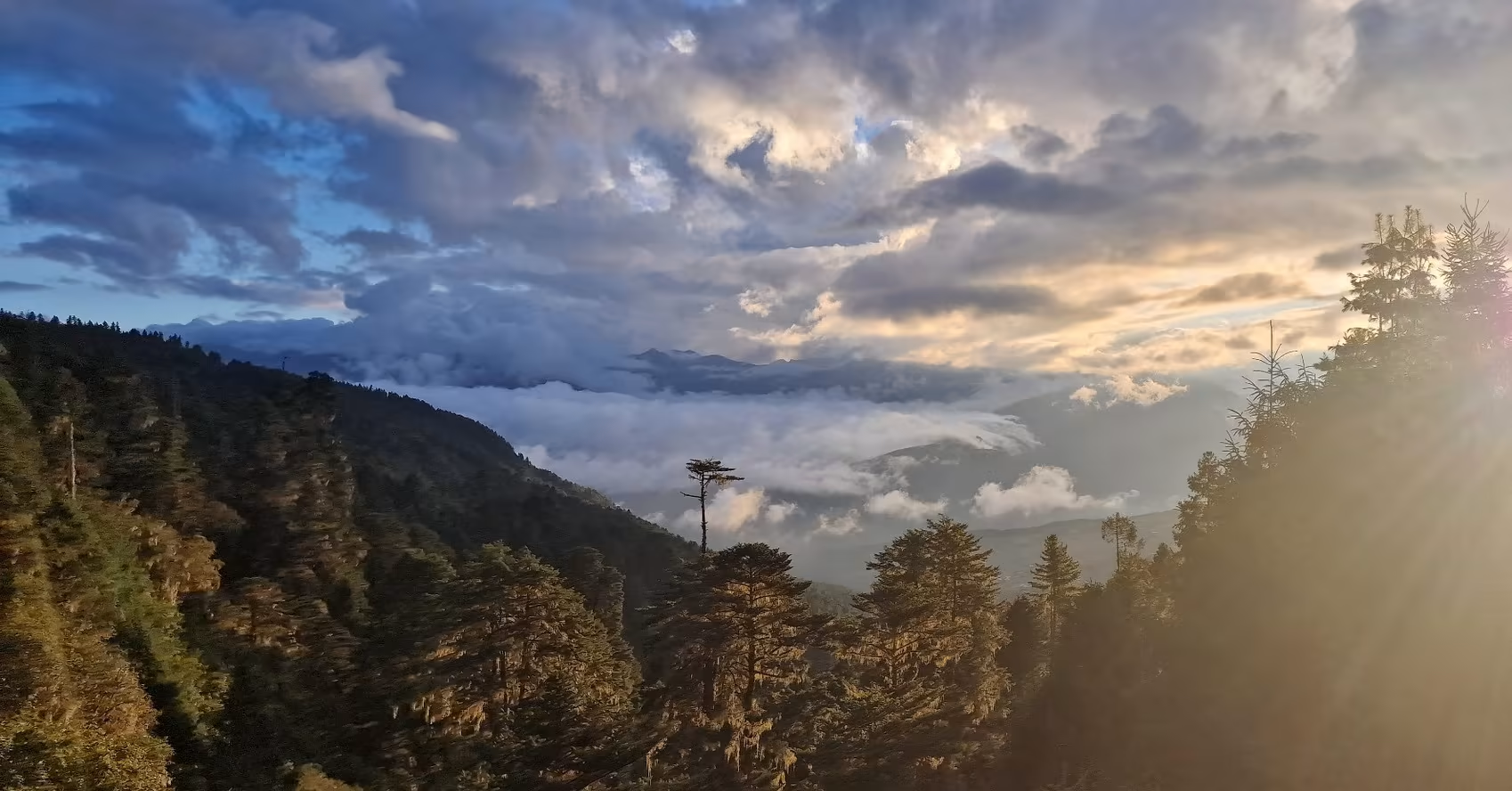
Private east-to-west Bhutan journey · 18 days
Eighteen days by road from the Assam plains to Paro—through eastern weaving villages, long mountain roads, Bumthang, Trongsa and Haa.
The journey in one thought
This private overland journey begins in Assam and enters Bhutan through Samdrup Jongkhar, then continues west through Trashigang, Lhuentse, Mongar, Bumthang, Trongsa, Haa and finally Paro. Eastern and central Bhutan are given real time rather than reduced to overnight stops.
The route deliberately leaves out the familiar Thimphu–Punakha–Gangtey sequence. Instead, it follows textiles, pottery, regional food, old roads, small towns and changing landscapes—so the distance across Bhutan becomes part of the cultural experience.
Repeat visitors, photographers and culturally curious travellers who enjoy road journeys when the road leads somewhere genuinely different.
Easy to moderate walking, with several long mountain-road days and an optional Tiger’s Nest hike at the end.
Expansive and immersive—fewer famous stops, more regional character, long horizons and time to notice how Bhutan changes.
The story of the journey
The road is part of the experience—each stage reveals a different Bhutan.

Day by day
This is the intended rhythm. Weather, road conditions, activity choices and your energy shape the final form of each day.
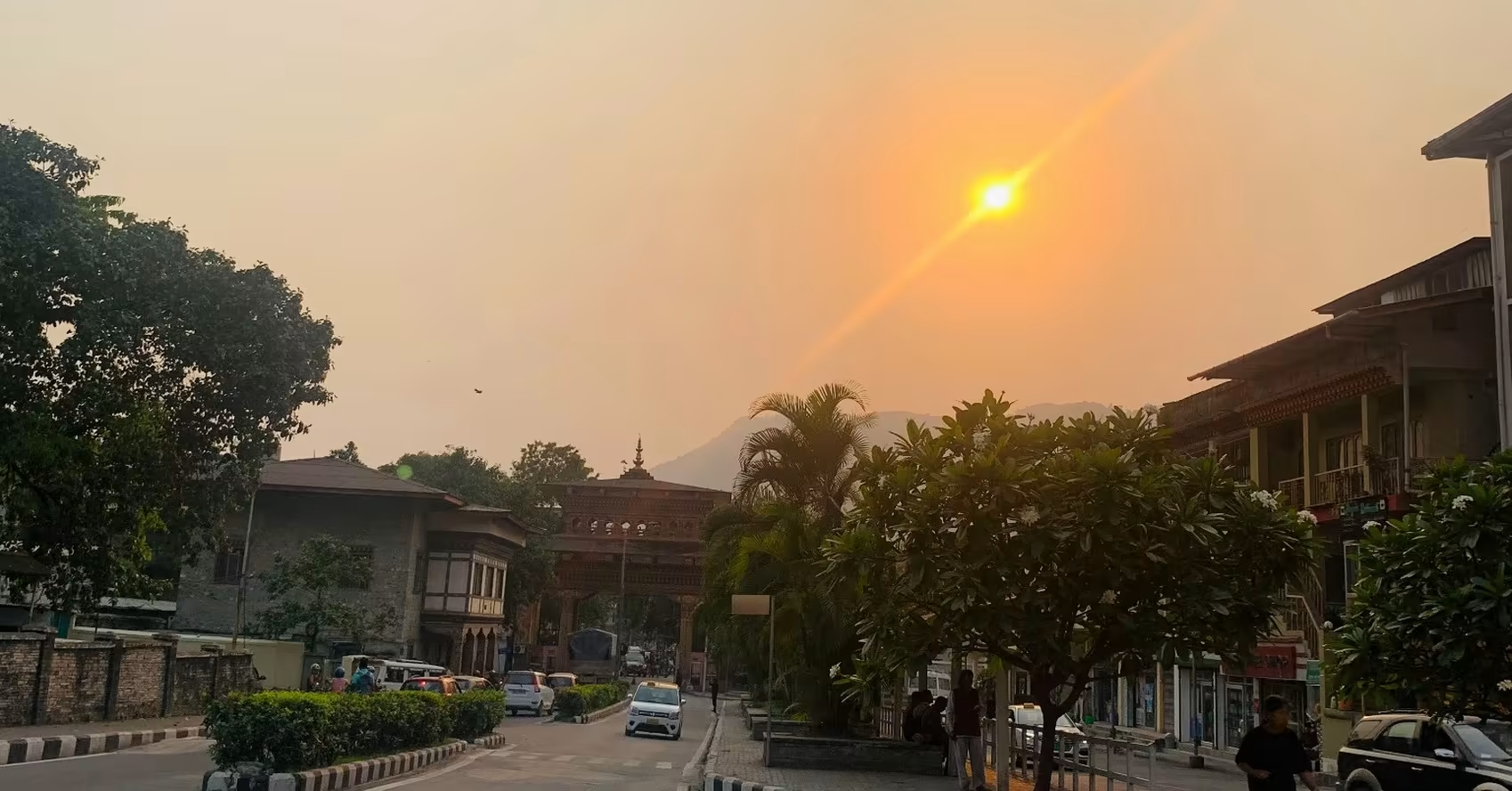
Guwahati → Samdrup Jongkhar
Travel from Guwahati through Assam to Bhutan’s eastern land gateway. Complete border formalities, meet the Raven team and keep the first evening intentionally light.
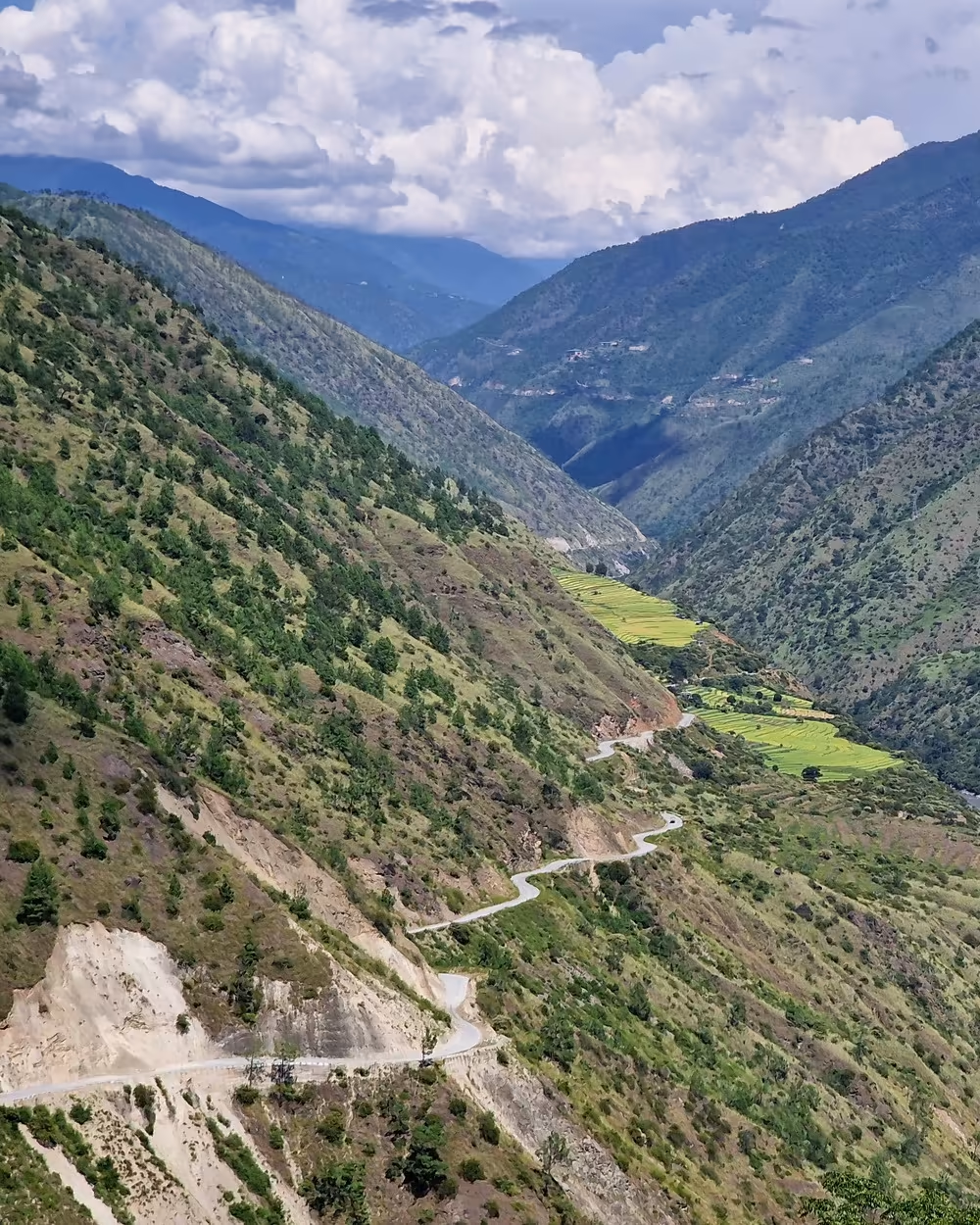
Samdrup Jongkhar → Trashigang
The road rises steadily through changing vegetation and mountain settlements towards Trashigang. Proper tea, lunch and viewpoint stops matter on a day like this; arrival is for settling in, not adding more sightseeing.
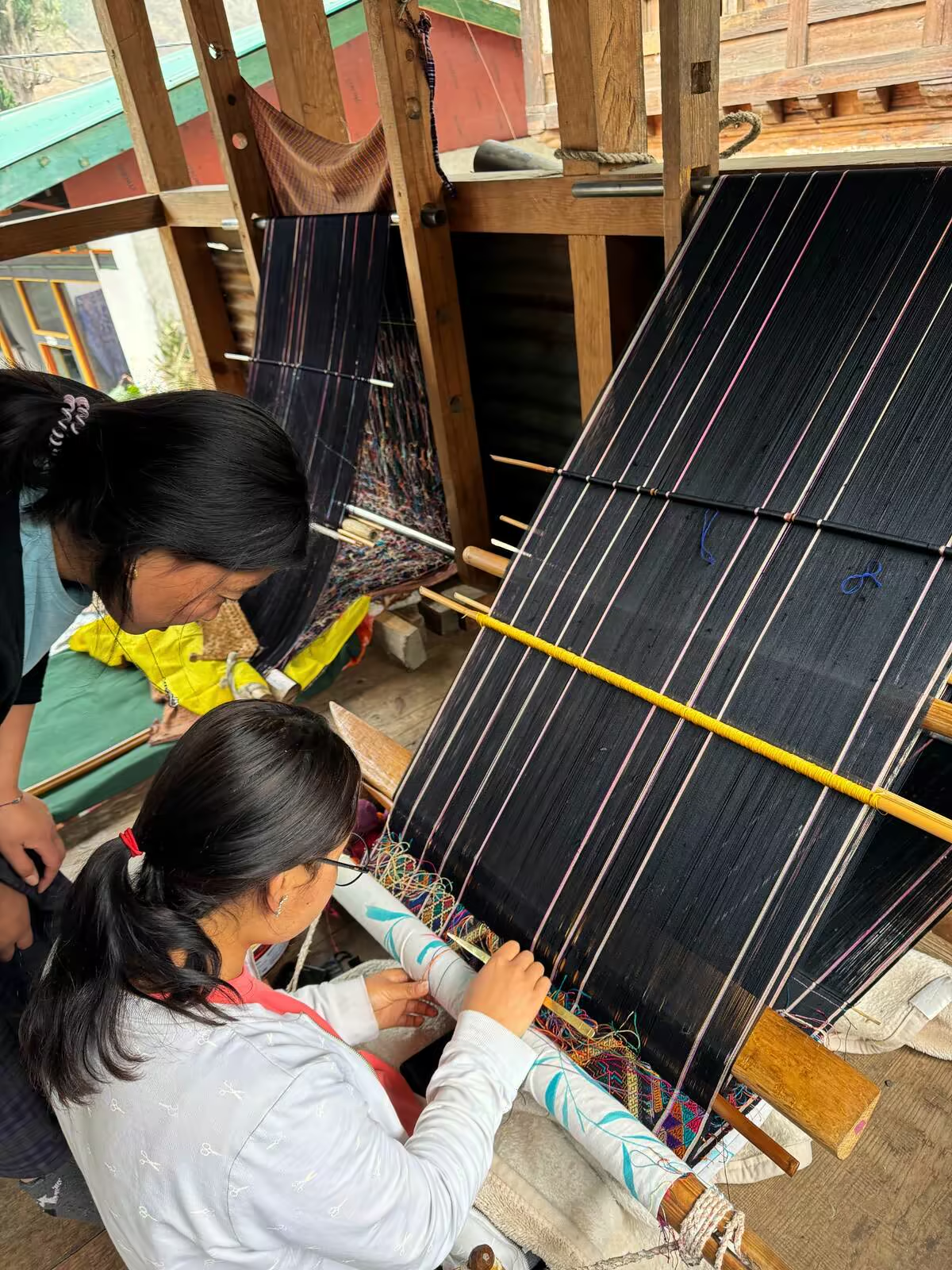
Radhi
Spend the day around Radhi, one of eastern Bhutan’s best-known weaving communities. Visit working households when welcomed, see fields and village roads, and make lunch and conversation part of the experience rather than rushing between demonstrations.
Trashigang & surroundings
Use the second full day around Trashigang for what suits the season: Rangjung, a monastery, local market, rural walk or another nearby experience your guide recommends. The point is flexibility, not another checklist.
Trashigang → Lhuentse
Travel north through the eastern mountain corridor towards Lhuentse, one of Bhutan’s less-visited districts. This is another substantial road day, so Raven protects a proper lunch, scenic pauses and a quiet arrival.
Khoma & Gangzur
Visit Khoma for its celebrated Kishuthara weaving tradition and Gangzur for earthen pottery when artisans are working and available. These are living communities, so the day follows people and place rather than a staged timetable.
Lhuentse → Mongar
Drive back towards Mongar with time for scenery, tea and a proper meal along the way. Settle in for two nights rather than using the town simply as a transit stop.
Mongar
Explore local town life and a nearby rural area. According to interests and current access, the day may include a monastery, market, village or short walk, with enough unplanned time for what your guide discovers locally.
Mongar → Bumthang
Travel west through one of the most dramatic sections of central-eastern Bhutan. Forests, deep valleys and high passes make this a long day on the road, so Raven builds in proper stops rather than treating the transfer as dead time.
Bumthang
Choose one or two important sacred sites, then balance them with village walking, a small producer, local food or another quieter encounter. Bumthang deserves space rather than a rushed circuit of temples.
Bumthang
Use the second full day for Chhume, Tang or another part of Bumthang that matches your interests. Returning visitors can deliberately avoid places already seen and spend time with villages, landscapes, food or crafts instead.
Bumthang → Trongsa
Travel to Trongsa at an easier pace after the longer eastern sectors. The route is shorter, leaving room to arrive well, take lunch properly and begin to understand why this ridge became so important in Bhutan’s history.
Trongsa
Visit Trongsa Dzong when appropriate, then continue with a historic path, nearby village or countryside route. The great architecture anchors the day, but it does not need to consume it.
Trongsa → Haa
This is one of the journey’s longest transitions. Travel with a proper lunch, frequent pauses and no pressure to add sightseeing on arrival. Raven reconfirms the most sensible route and road conditions before departure.
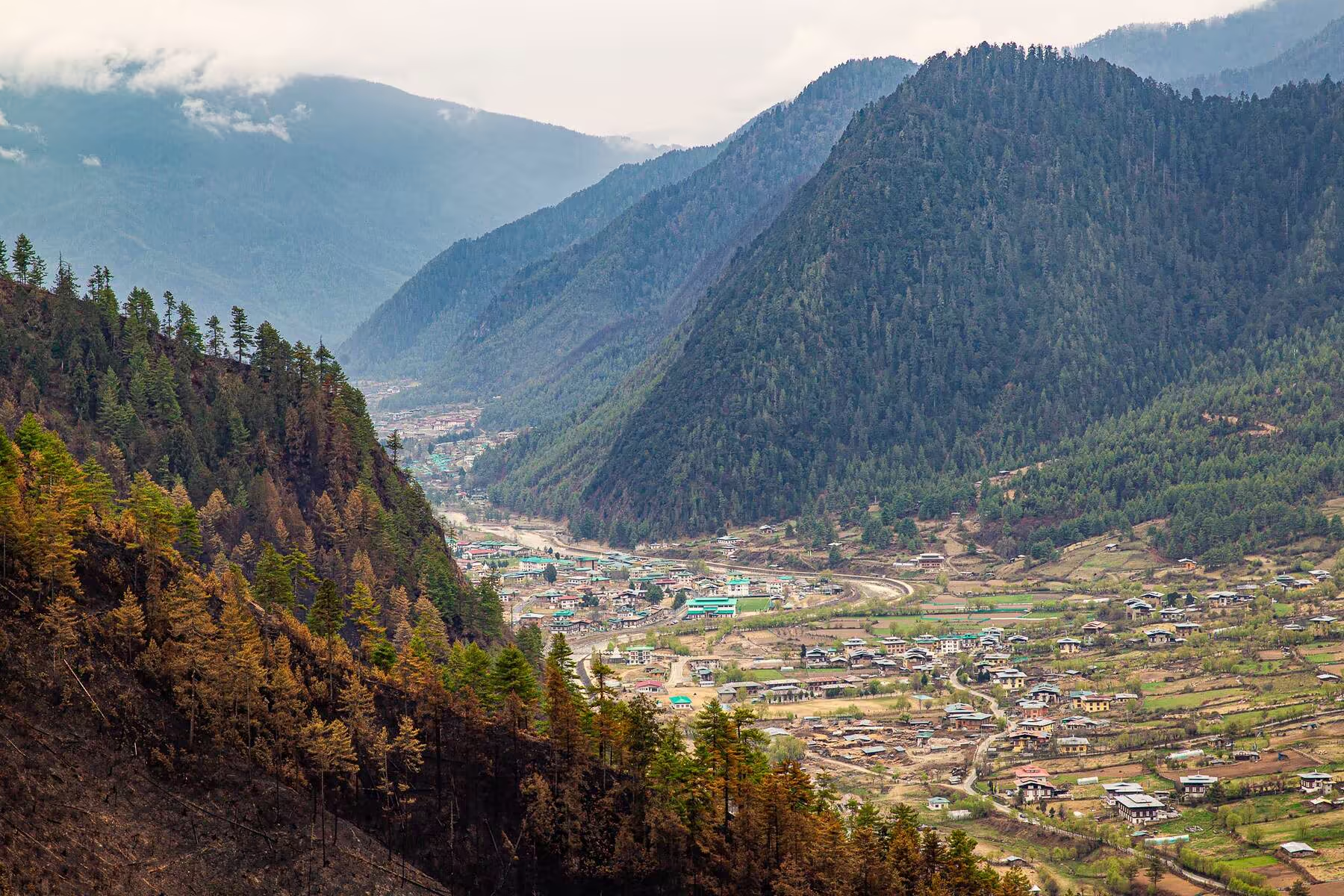
Haa
After the cross-country road journey, walk village roads, visit a small temple, try local food and choose a forest or countryside route according to weather and energy. Haa works best when the day remains simple.
Haa → Paro
Travel to Paro using the most suitable route for weather and road conditions, with Chele La used when appropriate. Keep the afternoon open for a farmhouse meal, hot-stone bath, gentle walk or simple rest.
Paro
Hike to Tiger’s Nest if the pilgrimage matters to you, at a private pace with time for tea and rest. Otherwise choose Kyichu Lhakhang, rural Paro, artisans, a long lunch, traditional wellbeing or a quieter final day after crossing the country.
Paro → Departure
Enjoy breakfast and a calm private transfer to Paro International Airport. The journey ends after travelling almost entirely by road from Bhutan’s eastern border to its western valley.
Why Raven designed it this way
A true east-to-west journey becomes exhausting if every well-known western valley is added simply because it exists. Raven protects time in eastern and central Bhutan rather than squeezing Punakha, Gangtey and Thimphu into an already long route.
The route still remains flexible. A village encounter, craft visit, roadside lunch or weather window may matter more than a secondary stop. Your guide adjusts the day around what is happening locally while the broader overland rhythm stays intact.
Where you may stay
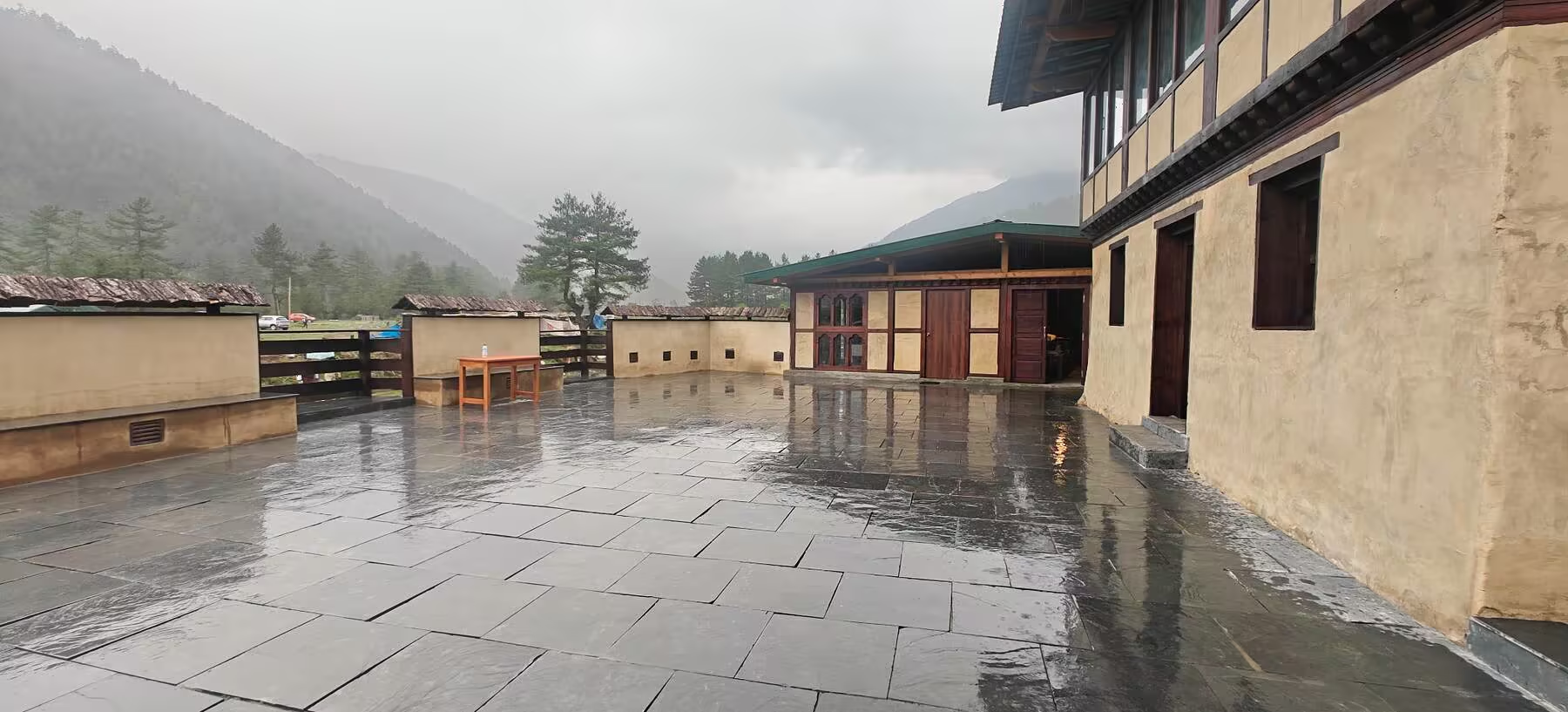
Accommodation standards vary across this journey, and that is part of the honest character of crossing Bhutan. Raven chooses the strongest available option in each region, then uses more refined stays later in the journey to restore comfort after the longer road sectors.
Exact properties, room categories and meal plans are confirmed privately after availability, suitability and route checks.
Read Raven’s approach to staysPractical clarity
Your proposal confirms land-entry arrangements, the applicable SDF, accommodation, meals and every included experience before you travel.
Included in the journey
Not normally included

Optional extensions
If time allows, extend towards Merak and Sakteng or add a quieter recovery night in Haa or Paro. Raven only extends this route when extra time creates depth rather than simply more kilometres.
Questions before you travel
The route is private and adaptable, but these answers explain what matters most on an 18-day east-to-west road journey.
Yes. Samdrup Jongkhar is an official land entry point from India, so this journey can begin overland from Assam and finish with departure from Paro. Raven coordinates the Bhutan-side entry and journey; any Indian visa or India-side transport is confirmed separately.
Several sectors are substantial mountain-road days, including Samdrup Jongkhar to Trashigang and Mongar to Bumthang. The vehicle is private, so tea, lunch, photography and rest stops are built around your party rather than a group timetable.
Because the east is the point of this journey, not an extension. Radhi, Lhuentse, Khoma, Mongar and the surrounding villages reveal textile traditions, food, architecture and everyday life that are easily lost when the route is reduced to one-night stops.
Eastern Bhutan has fewer high-end properties, so some nights are in simpler locally run hotels or lodges chosen for cleanliness, warmth and location. Comfort generally improves as the journey moves into Bumthang, Haa and Paro.
No. After crossing Bhutan by road, some guests want the pilgrimage and others prefer a quiet Paro day with Kyichu Lhakhang, artisans, countryside, traditional wellbeing or a long lunch. Both endings work.
Spring and autumn are generally the easiest seasons for the complete overland traverse. Summer can bring heavy rain and road disruption, while winter is drier but colder at higher elevations. Raven checks current road and border conditions before confirming the final route.
Your journey starts with a conversation
Share your dates, comfort preferences, road tolerance and any parts of Bhutan you have already seen. Raven will shape the 18-day crossing around your party without turning the east into a race.
Begin a private conversation