 BHUTAN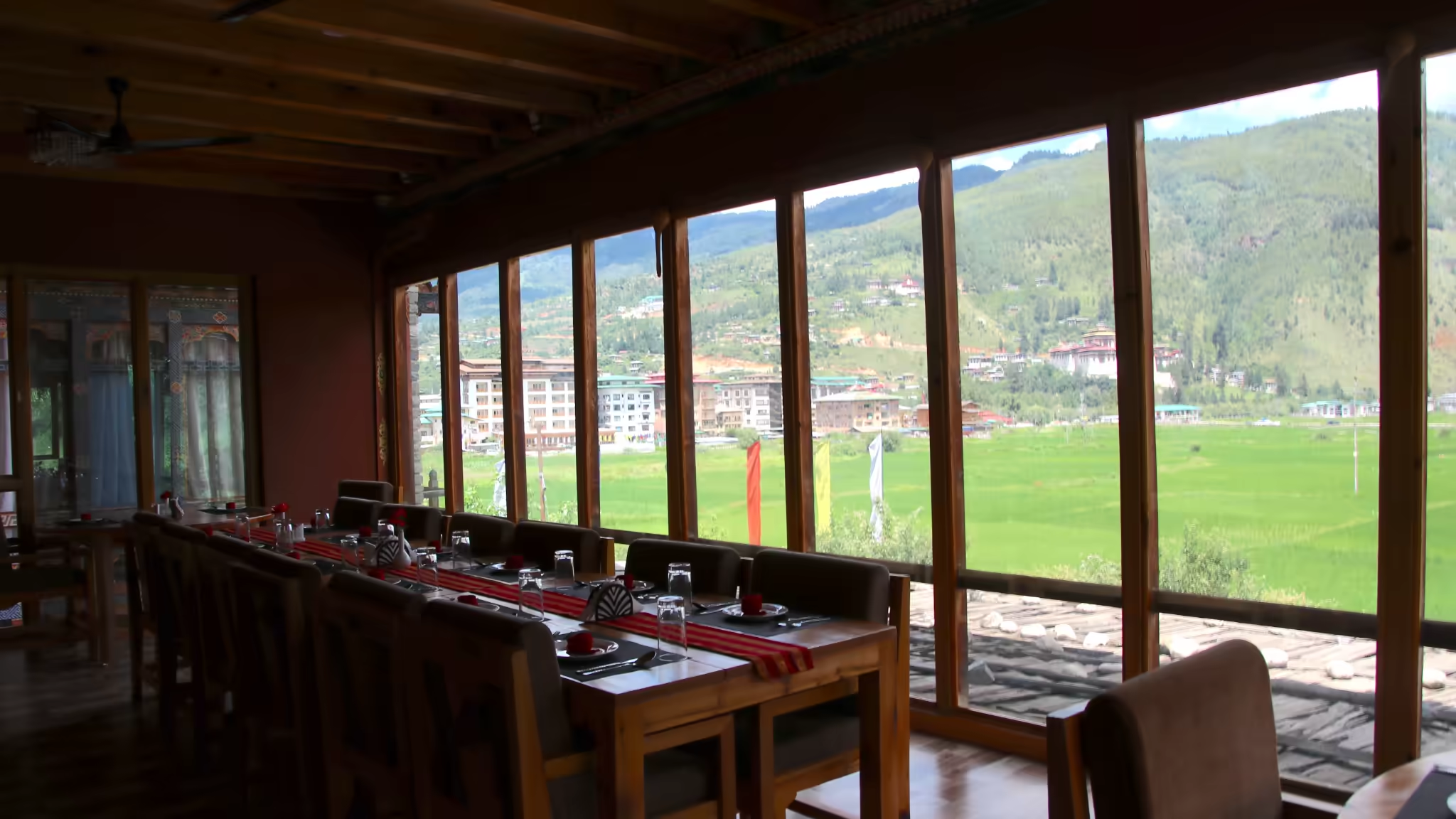
The best hotel in Bhutan is not always the most expensive one. It is the stay that fits the valley, the route and the way you want to travel. A beautifully designed lodge can be the right choice when you have time to enjoy it. On another day, a warm family-run hotel in the right location may create the better journey.
This is why Raven does not begin by asking guests to compare long lists of properties. We first understand the route, pace, comfort expectations and interests. Then we recommend a stay that supports the journey rather than competing with it.
Where should you stay in Bhutan?
For most private journeys, the answer changes from valley to valley. In Thimphu, a central location may help you explore cafés, galleries and town life without unnecessary driving. In Paro, a countryside property can offer quiet, views and space at the beginning or end of the journey. In Punakha, the position of a lodge affects access to rivers, village walks, temples and the warmer valley landscape.
Phobjikha rewards a stay that opens towards the valley and lets you experience early morning and evening, not only a short daytime visit. Bumthang benefits from a base that makes its monasteries, villages and separate valleys practical. In eastern and southern Bhutan, good local character and dependable hospitality may matter more than a polished international style.
Raven’s curated Where We Stay page introduces the types of properties we consider across Bhutan. It is a starting point, not a booking catalogue.
↑ Back to contentsLocation can be more valuable than another star
A hotel can look close to a town or attraction on a map while still adding repeated driving on narrow valley roads. Twenty or thirty minutes each way becomes significant when it happens every morning, every evening and between activities.
We therefore look beyond the address. We ask how the location works with the actual itinerary:
- Will it reduce unnecessary road time? A well-placed hotel can protect an hour that is better spent walking, resting or meeting people.
- Does it suit the purpose of the stay? A central base supports town exploration; a secluded lodge supports privacy, nature and property time.
- What is the final access like? A dramatic hilltop view may involve a steep road or steps that do not suit every traveller.
- What surrounds it? Rice fields, forest, village life, a river or an urban neighbourhood all shape the experience beyond the room.
There is no single correct location. The important question is whether its advantages match what you want from that part of the journey.
↑ Back to contentsCharacter is more than traditional decoration
Carved timber, painted cornices and Bhutanese textiles can make a hotel beautiful, but character comes from more than visual style. It may be a family who remembers how you take your tea, a garden used by the kitchen, a host who explains the history of the house or a team whose warmth changes the atmosphere of the stay.
Some properties feel distinctly Bhutanese while offering contemporary comfort. Others preserve the simplicity of a farmhouse, heritage home or small rural lodge. Neither should imitate the other.
Raven looks for a genuine relationship between the property and its setting. We are cautious about calling somewhere “authentic” simply because it uses local motifs. The people, food, scale, materials and connection with the surrounding place all matter.
↑ Back to contentsWhat do Bhutan hotel star ratings tell you?
A star category gives a useful indication of facilities and service standards, but it cannot fully describe warmth, atmosphere, view, maintenance, location or how a property feels on a particular journey. Two hotels in the same category can offer very different experiences.
Raven therefore uses the category as one part of the decision. Our assessment draws on the information available for that property: room condition, heating or cooling, bathroom quality, food, road access, direct communication and guest feedback. Where we have recent first-hand knowledge, that informs the recommendation; where details need confirmation, we ask rather than assume.
The Department of Tourism states that visitors must stay in approved accommodation or campsites. Its guidance includes hotels and village homestays; a private invitation alone should not be treated as confirmation that an overnight stay is suitable for a tourist booking. See the official accommodation guidance.
A modest hotel chosen carefully can feel generous and personal. A celebrated luxury property can disappoint if the guest reaches it late, leaves early and never experiences what makes it special.
↑ Back to contentsWhen is a luxury upgrade worth it?
An exceptional lodge earns its place when the property itself becomes part of the day. That may mean a memorable view, strong wellness programme, beautiful grounds, privacy, refined service or an unusually thoughtful relationship with the landscape.
We are more likely to recommend an upgrade when:
- you have two or more nights and enough time to enjoy the property;
- rest, wellness, food or design is central to the journey;
- the lodge’s location improves the surrounding experiences;
- it offers privacy or service that genuinely matters to you;
- the upgrade creates a meaningful contrast after trekking or long travel days.
We may recommend against it when the itinerary keeps you away from the hotel from early morning until dinner, when a simpler property has the stronger location, or when the additional cost would be better used for another night in Bhutan.
Our Bhutan journey ideas show how Raven balances accommodation with pace and experience rather than treating luxury as a label applied to every night.
↑ Back to contents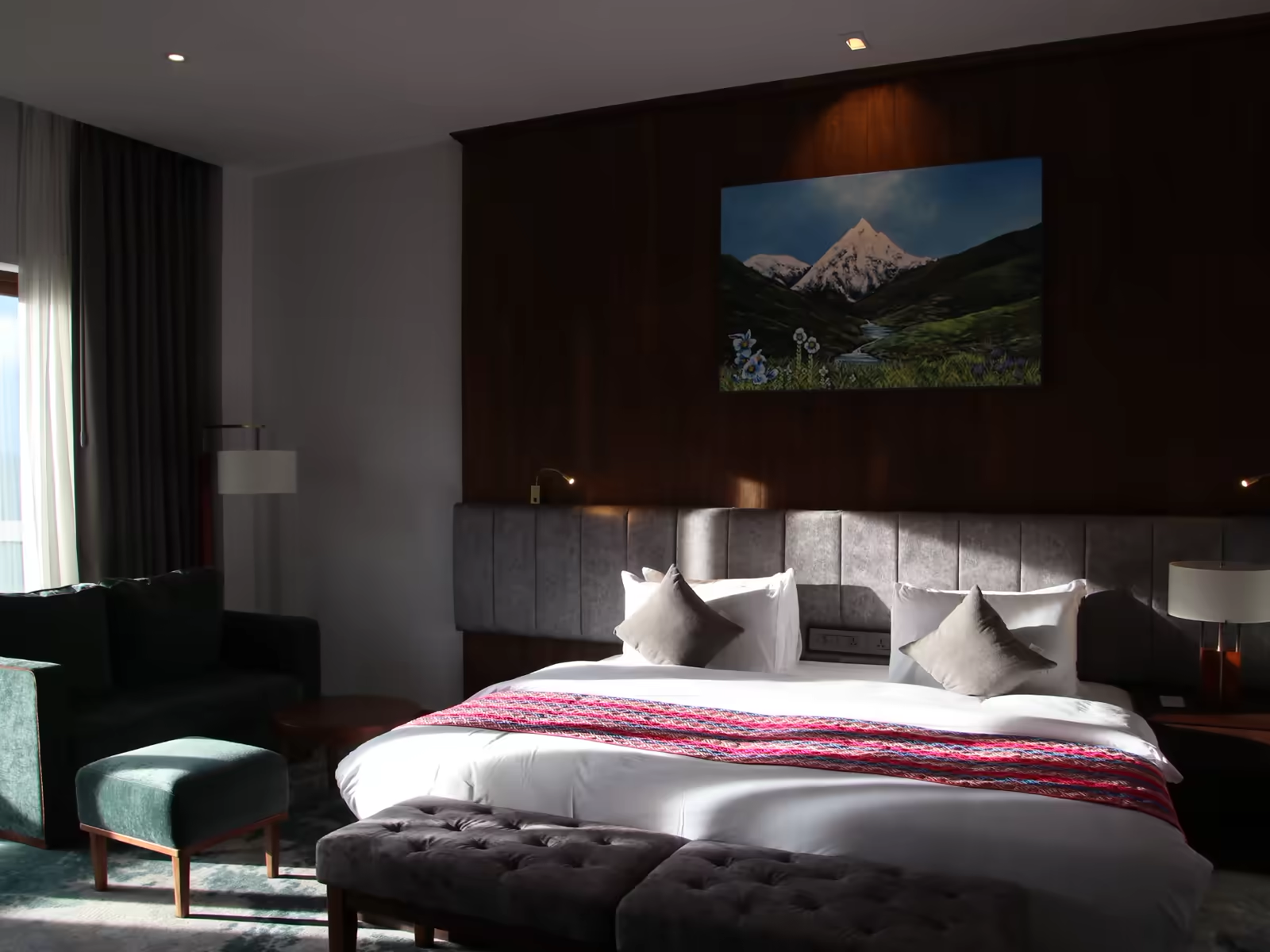
Room category matters as much as the hotel name
A hotel recommendation is incomplete without the room category. Rooms within one property may face different directions, occupy different buildings or vary considerably in size, privacy and outlook. A “valley view” should be confirmed rather than assumed from photographs of the property.
For example, COMO Uma Paro’s accommodation descriptions distinguish Forest Rooms, Valley Rooms, suites and villas. The hotel name alone does not tell you the outlook or layout you will receive. Confirm the exact category and any important feature, including a balcony, before booking.
Before finalising a proposal, Raven looks at the practical detail: bed configuration, view, stairs, bathroom arrangement, heating, proximity to shared areas and whether the room works for couples, solo travellers, families or friends travelling together.
This is especially important when a hotel has added newer rooms beside an older building, or when suites and standard rooms deliver very different experiences. We show the proposed category clearly and explain the price difference when an alternative would genuinely improve the stay.
↑ Back to contentsWhat should families and older travellers consider?
Families often benefit from adjoining rooms, flexible meal arrangements, outdoor space and fewer hotel changes. Older travellers may value level access, dependable heating, walk-in showers and a room close to the restaurant more than a distant view reached by many steps.
Bhutan’s most atmospheric properties are not always the easiest to navigate. Heritage buildings, hillside lodges and farmhouses may include uneven paths, steep stairs or simple bathrooms. Raven discusses these details honestly so that character does not come at the expense of comfort or safety.
If mobility, dietary needs, sleep, temperature or bathroom design matters to you, tell us early. These are not minor preferences; they help us choose well.
↑ Back to contentsHomestays, heritage houses and monastery stays
A special stay can become one of the most memorable parts of Bhutan, but only when expectations are clear. A homestay may offer conversation, home cooking and a closer view of family life. A heritage house may carry a powerful sense of place. A monastery overnight, where permission and applicable accommodation requirements allow it, may offer time within a living monastic community. We confirm the arrangements individually; it is never a guaranteed hotel-style experience.
These are not substitutes for a polished hotel, and they should not be described as luxury when they are not. Bathrooms may be shared or simple, rooms may be cold, meals may follow the host’s routine and privacy can be limited.
Raven recommends such stays selectively, confirms current arrangements and explains the comfort honestly. Guests who prefer not to stay overnight can still enjoy a farmhouse meal, monastery time or another meaningful encounter through our Signature Experiences.
↑ Back to contentsCompare what the stay includes
Before comparing two prices, compare the same room category, dates and inclusions. Breakfast-only, half-board and full-board arrangements create different costs and different choices during the day. Confirm whether treatments, transfers, activities and applicable taxes or service charges are included or additional.
For Raven, meals also shape the journey. A lodge dinner may be exactly right after a long drive, while another evening is better spent at a local café or a family table. We look at the meal arrangement alongside the itinerary, so an inclusive stay does not unintentionally limit the experiences you came for.
If you are weighing an extra night against a room upgrade, our guide to how many days to spend in Bhutan helps put the choice in context.
↑ Back to contentsHow we use guest reviews
Online reviews can reveal patterns, but a score alone cannot decide whether a hotel is right for you. Reviews mix different room categories, seasons, expectations and travel styles. They can also change faster than the character of a property—or fail to reflect a recent change in management, maintenance or service.
Raven reads recent feedback and listens carefully to our own guests, but we do not turn the proposal into a collection of review links. Our responsibility is to explain why we recommend a property for your journey and to remain accountable for that recommendation.
↑ Back to contentsAvailability can change the recommendation
Bhutan has many small properties with limited rooms. Festival periods and popular spring or autumn dates can fill early. A first-choice hotel may be unavailable, and occasionally a room category remains subject to final confirmation.
When that happens, we do not replace a property only by matching its star rating. We look for the closest fit in location, character, comfort and value, then explain any important difference. If the alternative changes the cost, we show that clearly.
This is also why we avoid promising every hotel publicly as if it were guaranteed. Exact properties and rooms belong in a private proposal built around real dates.
↑ Back to contentsSeven questions that help Raven choose well
- Do you prefer a central location or a quiet countryside setting?
- How important are views, design, spa facilities and property time?
- Would you enjoy one simple character stay, or do you prefer consistent comfort throughout?
- Do stairs, uneven paths, heating or bathroom layout require special attention?
- Are you travelling as a couple, solo, with children or across generations?
- Would you rather upgrade selected nights or keep one consistent category?
- What has made a hotel memorable—or disappointing—for you before?
Your answers allow us to recommend with purpose instead of sending a catalogue.
↑ Back to contentsRaven’s accommodation philosophy
We choose the journey first and the hotel in relation to it. We value a locally run property with warmth and a strong setting. We appreciate refined luxury when it adds something real. We also know when the practical hotel near tomorrow’s early departure is the wiser choice.
The result may be a thoughtful mix: a boutique hotel in Thimphu, a valley lodge in Punakha, a simpler character stay in a quieter region and one exceptional upgrade where there is time to enjoy it. Consistency does not have to mean sameness.
Tell us how you like to stay, what matters in a room and where you prefer to invest. Begin a private conversation with Raven, and we will recommend each property for a clear reason—not simply because it has the highest price or the most stars.
↑ Back to contentsSources and further reading
Department of Tourism, Bhutan: Travel FAQs, accommodation and approved stays. COMO Hotels and Resorts: COMO Uma Paro rooms, suites and villas. These sources support the practical points above; Raven’s recommendations reflect how we approach a private journey. Property details should be reconfirmed for your travel dates.
↑ Back to contents