 BHUTAN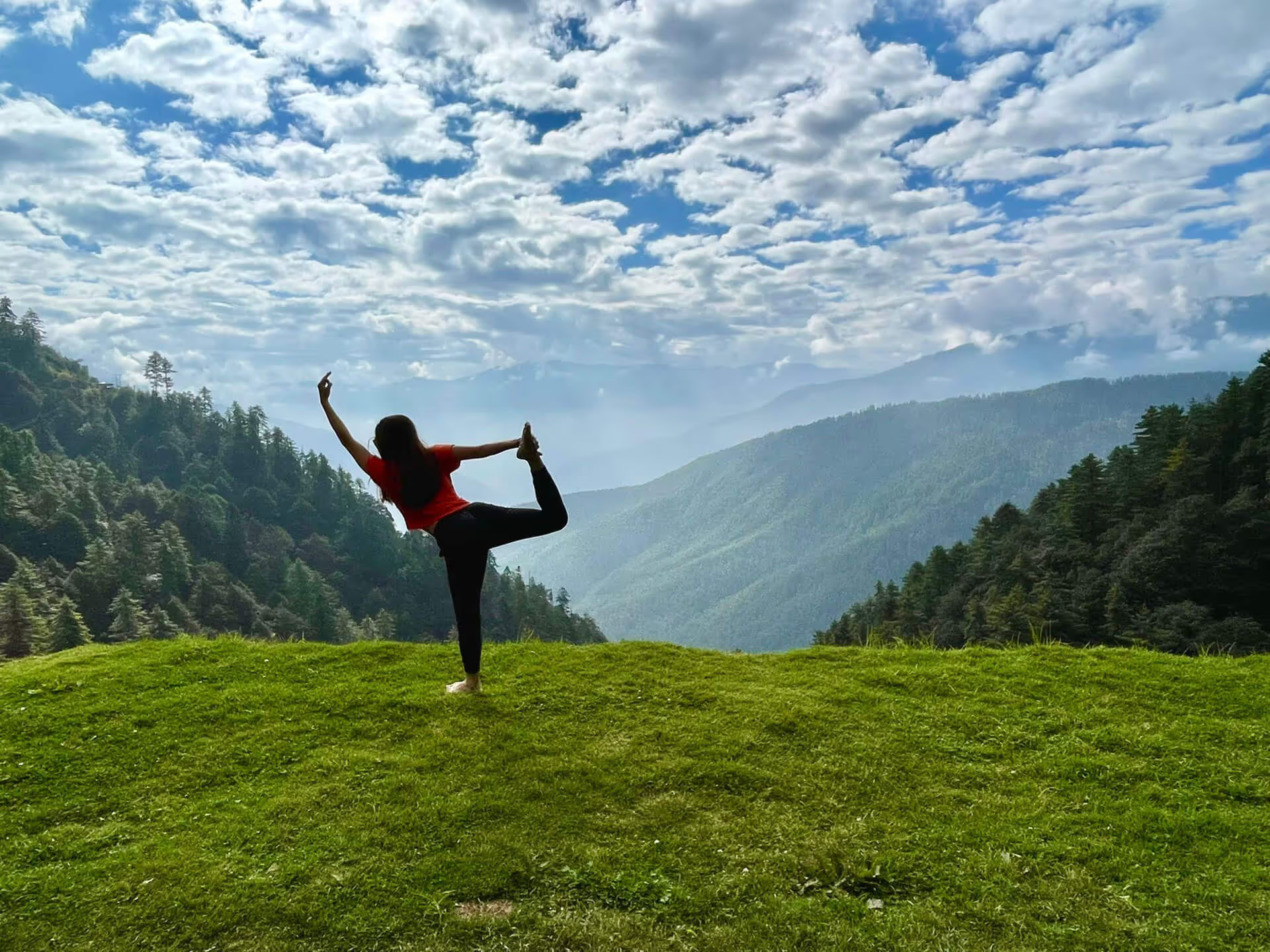
Wellness in Bhutan does not need to arrive as a packed retreat programme. It can begin with something quieter: a morning without an early departure, a yoga session before breakfast, a walk through pine forest, time inside a monastery or a traditional hot-stone bath after several days on the road.
For Raven, wellbeing is not a separate layer added to an already crowded itinerary. It comes from designing the journey so that the body has time to adjust, the mind is not always anticipating the next departure and restorative experiences appear where they make sense.
What does a wellness journey in Bhutan look like?
There is no single formula. One traveller may want daily yoga and a beautiful spa; another may prefer a farmhouse bath, gentle walks and long, unscheduled afternoons. A third may be curious about Bhutanese traditional medicine but want the rest of the journey to remain cultural and active.
A well-designed journey can draw from several forms of wellbeing:
- Movement: private yoga, stretching, gentle hiking or a slower walking day.
- Stillness: guided meditation, quiet monastery time, prayer or time alone in nature.
- Recovery: a hot-stone bath, massage, spa treatment or simply a free afternoon.
- Cultural understanding: learning about Sowa Rigpa, Bhutan’s traditional medical system, with appropriate professional context.
- Rhythm: fewer hotel changes, sensible driving days and enough time to enjoy the places where you stay.
These elements can shape a dedicated wellness journey or be woven gently into a wider private itinerary. Raven’s Signature Experiences show some of the possibilities, but none is compulsory.
↑ Back to contentsBegin with pace, not treatments
The most valuable wellness decision often happens before any activity is booked. It is the decision not to move hotels every night.
Bhutan’s roads are beautiful, but winding mountain journeys can be tiring. Altitude also affects people differently. A schedule that places a demanding hike immediately after arrival, follows it with a long drive and fills every evening may undermine the sense of renewal the traveller came to find.
Raven starts with realistic road time, gradual acclimatisation and the traveller’s normal energy level. We may place an easier morning after a long transfer, protect a two-night stay in a valley or leave enough flexibility to exchange a hike for something gentler if the body asks for it.
This is not empty time. It is the space that allows Bhutan to be felt rather than completed.
↑ Back to contentsYoga in Bhutan: private, adaptable and unhurried
Yoga can work beautifully in Bhutan when the session suits the guest rather than the photograph. A trained instructor can adapt the practice for beginners, experienced guests, older travellers or people who simply want to stretch after driving and walking.
Yoga can take place in a monastery where permission and local practice allow, at an eco-lodge, outside in a hotel courtyard, in a forest clearing or at a homestay. A quiet room, garden, terrace or another suitable space can work just as well. We choose the setting around your comfort, the weather and the space available, while respecting the people and purpose of each place.
Early morning often works best. The air is cooler, the day has not yet become busy and the session can establish a calm rhythm without taking time away from the journey. For guests who prefer a later start, restorative stretching in the afternoon may be more useful than another sunrise commitment.
Private yoga should feel supportive, not performative. Comfortable clothing, honest communication about mobility and a willingness to modify poses matter more than experience.
↑ Back to contentsMeditation and monastery time
Bhutan’s Buddhist landscape naturally invites stillness, but meaningful meditation does not require a dramatic promise. It may be ten quiet minutes after lighting butter lamps, a guided breathing practice, time listening to evening prayers or sitting in a forest clearing without conversation.
Instruction from a monk, nun or qualified practitioner depends on genuine availability and appropriate arrangements. Monastic communities have their own prayer, study and work. Raven therefore avoids advertising private spiritual access as though it were an on-demand hotel service.
When the circumstances align, even a simple conversation can offer context for Buddhist ideas of attention, compassion and interdependence. When they do not, respectful silence may be the more honest experience.
Guests interested in deeper monastic time can ask Raven about the setting, daily rhythm and practical arrangements before deciding whether a monastery stay belongs in their journey.
↑ Back to contents
Bhutan’s traditional hot-stone bath
A traditional hot-stone bath is one of Bhutan’s most distinctive restorative rituals. River stones are heated over a fire, then placed into a separate chamber connected to a wooden bathing tub. The stones warm the water without coming into direct contact with the bather. Artemisia and other locally used leaves may be added to the water.
The preparation is part of the experience: the fire, the sound of heated stones meeting water, the gradual adjustment of temperature and the care taken by the host. In a farmhouse setting, it can feel personal and elemental. At a refined resort, the same tradition may be presented with greater privacy, comfort and spa service.
Both can be worthwhile. The right choice depends on whether you value local character, polished comfort or a balance of the two.
Bhutanese tradition associates hot-stone bathing with relief and restoration, but Raven does not present it as a cure or promise a medical result. Guests with health concerns should seek appropriate medical advice and tell us before the bath is arranged. Temperature, privacy and accessibility also vary, so we confirm the practical details wherever possible.
The official Bhutan Travel journal describes the bath as both a longstanding cultural practice and an act of hospitality. That human element is why Raven prefers an experience prepared with care rather than a quick stop placed on a checklist.
↑ Back to contents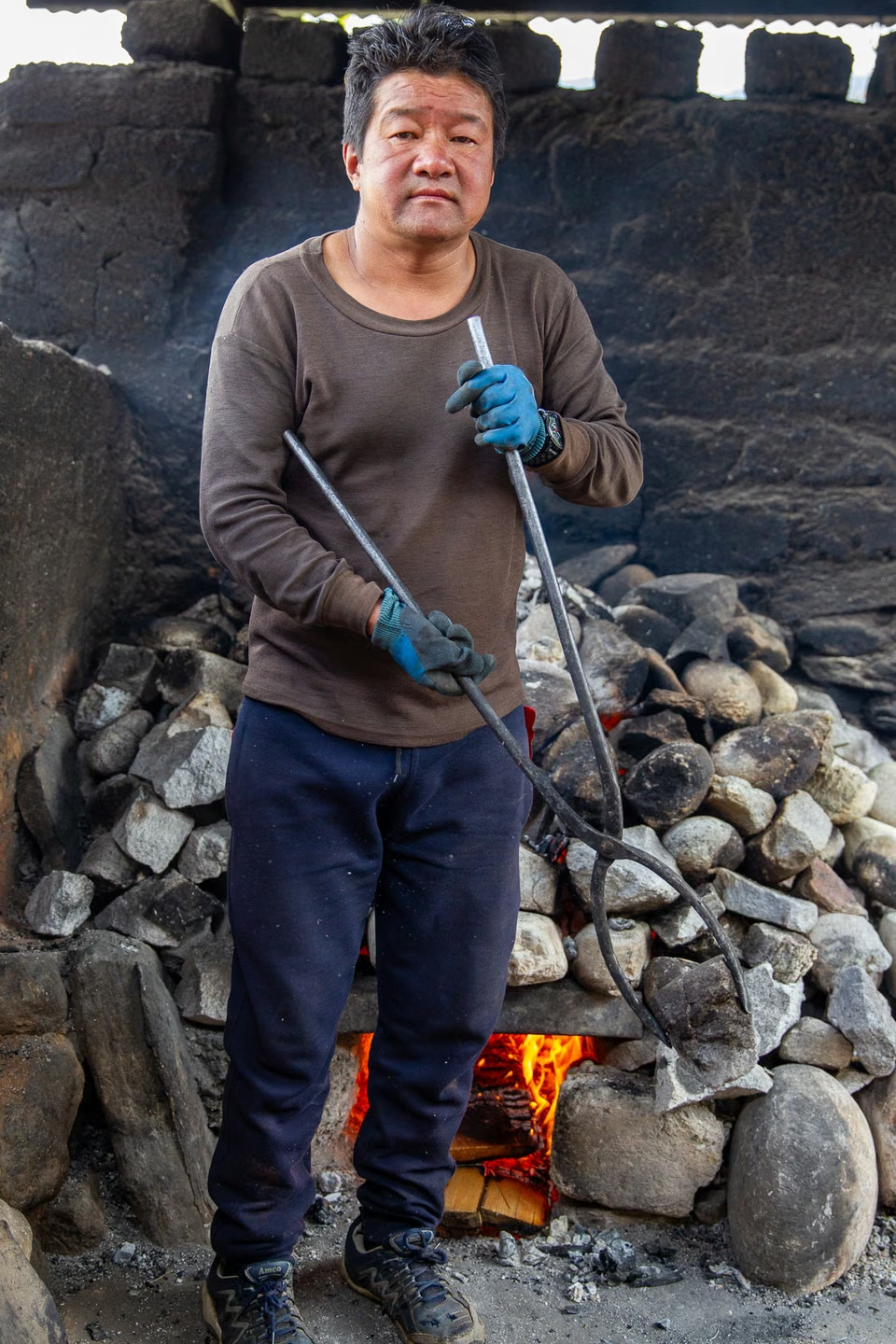
Understanding Sowa Rigpa
Sowa Rigpa is Bhutan’s traditional system of medicine and remains part of the country’s living healthcare culture. Its principles include a holistic, people-centred approach alongside professionalism, research and the preservation of traditional knowledge.
For an interested visitor, the experience might involve a professionally arranged consultation, an introduction to medicinal ingredients or an explanation of how traditional knowledge is studied and practised today. Access and services must be confirmed; a tourist visit should never be confused with guaranteed treatment.
Bhutan’s National Center for Traditional Medicine Services, under the Ministry of Health, has responsibilities spanning traditional-medicine services, research, public education and the conservation of medicinal resources. This matters because Sowa Rigpa is not a themed spa concept created for visitors. It is a formal, evolving Bhutanese medical tradition.
Raven treats any consultation responsibly. We do not interpret a practitioner’s advice, make health claims or suggest that traditional medicine should replace care prescribed by your own doctor.
↑ Back to contentsMassage, spa and thoughtful luxury
There are moments when a polished spa is exactly right: after a trek, before an international flight or during a two- or three-night stay where the property itself forms part of the journey.
Bhutan’s higher-end lodges may offer massages, herbal therapies, pools, saunas and private wellness programmes. Smaller hotels can sometimes arrange a skilled local therapist without the extensive facilities of a resort. The better option is not always the more elaborate one.
Raven asks a practical question: will you have enough time to enjoy what you are paying for? A beautiful wellness property loses much of its value when the itinerary leaves before breakfast and returns after dark. Our approach to choosing Bhutan accommodation considers property time alongside location, character and comfort.
↑ Back to contentsNature without turning it into a performance
Forests, rivers and open valleys can help a journey feel calmer without needing a formal label. A slow walk through blue pine, sitting beside the Mo Chhu or pausing in Phobjikha as the light changes may be more restorative than an activity marketed as “healing.”
Raven sometimes uses the phrase forest bathing to describe attentive, unhurried time among trees. We mean slowing down, noticing sound, scent, light and texture—not claiming a clinical treatment.
This can be especially valuable for guests who do not enjoy conventional spa settings. It also creates an inclusive form of wellbeing: the walk can be shortened, the pace adapted and the experience shared without requiring specialist equipment.
↑ Back to contentsFood, sleep and the quieter details
Wellbeing also depends on ordinary needs. A carefully chosen room, reliable heating, nourishing food and enough sleep can matter more than a long menu of therapies.
Raven avoids filling every meal with heavy hotel buffets. Where the route allows, we choose à la carte cafés, home cooking, farmhouse meals and smaller restaurants. Guests with dietary requirements should tell us early so that kitchens in quieter valleys have time to prepare thoughtfully.
We also consider bedroom location, stairs, road noise, pillow preferences and the timing of early departures. These details may not look dramatic in an itinerary, but they shape how a traveller feels after a week on the road.
↑ Back to contentsHow Raven builds wellbeing into a journey
A wellness journey should not create new pressure. We therefore avoid turning yoga, meditation, spa appointments and rituals into another list that must be completed.
A balanced route might include:
- a gentle arrival day in Paro or Thimphu;
- private yoga on selected mornings rather than every morning;
- a countryside walk paced to the guest;
- one traditional hot-stone bath after a hike or road journey;
- quiet monastery time without a crowded sequence of sightseeing;
- a consultation or introduction to traditional medicine when professionally available;
- two or three nights at a property worth enjoying;
- an unscheduled afternoon that remains genuinely free.
The sequence matters. Recovery belongs after exertion. Property time belongs at a property chosen for the experience. A meditation session should not be followed immediately by a rushed departure simply because the schedule is full.
↑ Back to contentsWho is a Bhutan wellness journey for?
It can suit solo travellers, couples, friends, active guests who want better recovery, and people moving through a demanding stage of life who simply need space. It can also work well for families or older travellers when activities are adapted and nobody is expected to follow one physical programme.
You do not need to identify as spiritual, practise yoga or arrive with a goal of transformation. Curiosity and a willingness to slow down are enough.
Browse Raven’s private Bhutan journeys as starting points. We can reshape the route around rest, movement, culture and the level of comfort that feels right to you.
↑ Back to contentsA quieter definition of luxury
In Bhutan, luxury may be a beautiful lodge and an excellent therapist. It may also be a host tending a fire while river stones heat, a guide who notices when the day should become gentler or a morning with nowhere else to be.
Raven’s role is to bring these moments into the journey with honesty. We arrange what is genuinely available, explain the setting and comfort clearly, and leave room for the experience to remain personal.
Tell us how you want to feel during your time in Bhutan—not only what you want to see.Begin a private conversation with Raven, and we will shape a journey with enough movement, stillness and breathing room to feel like your own.
↑ Back to contentsSources and further reading
Bhutan’s Department of Tourism: Precious Stones, a cultural introduction to hot-stone bathing. Ministry of Health: National Center for Traditional Medicine Services. These sources provide cultural and institutional context. Raven’s travel suggestions are not medical advice; individual services and practitioner availability should be confirmed for your journey.
↑ Back to contents