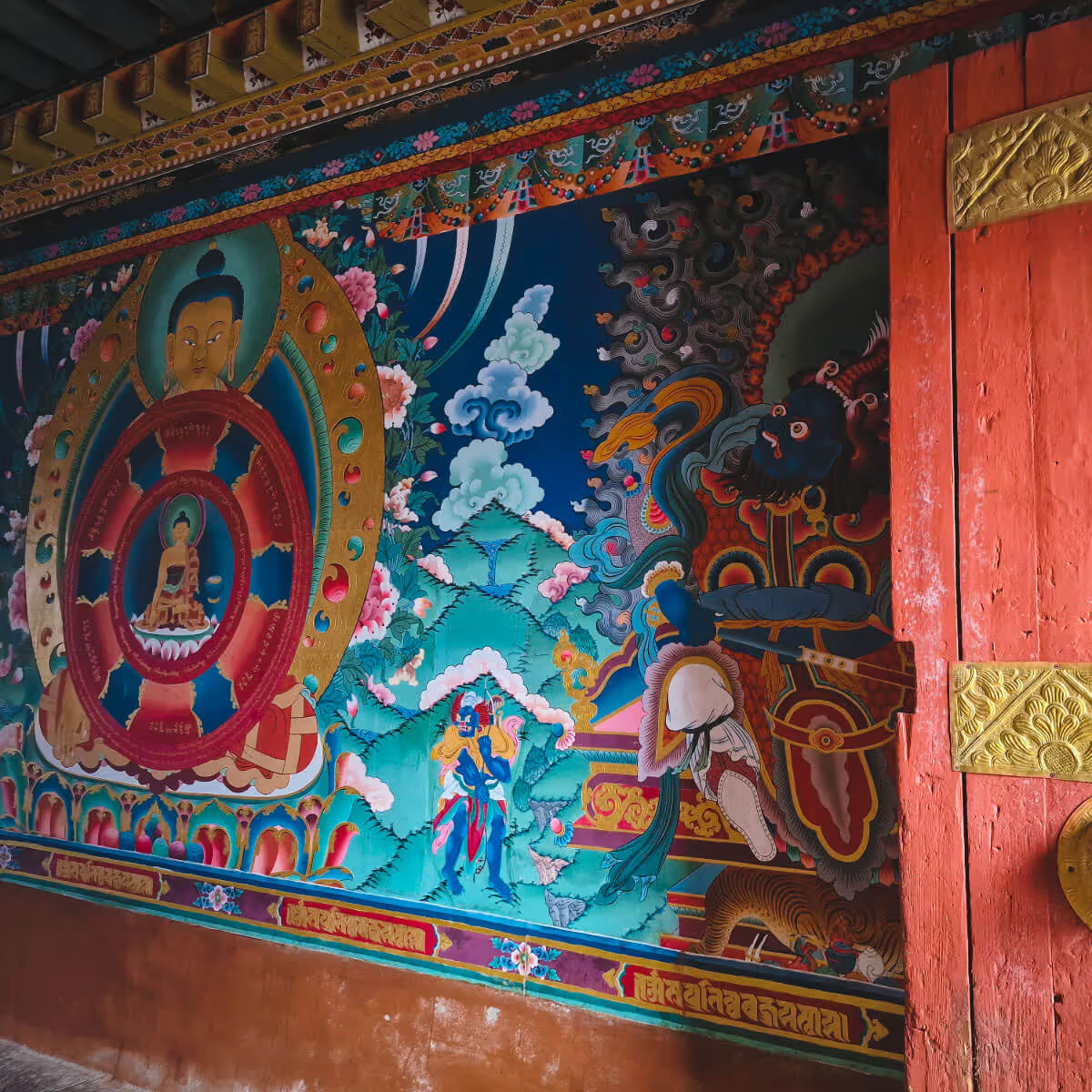
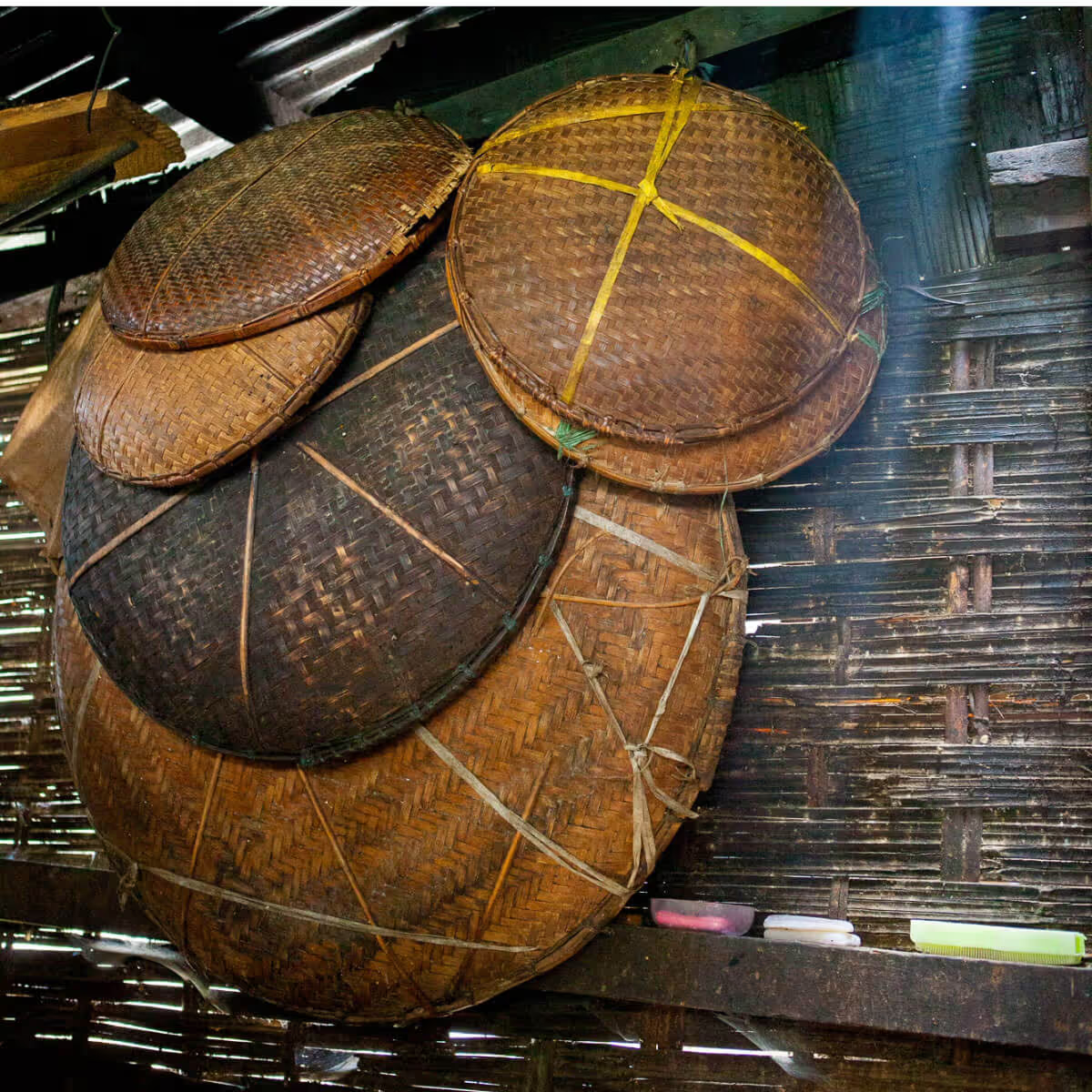
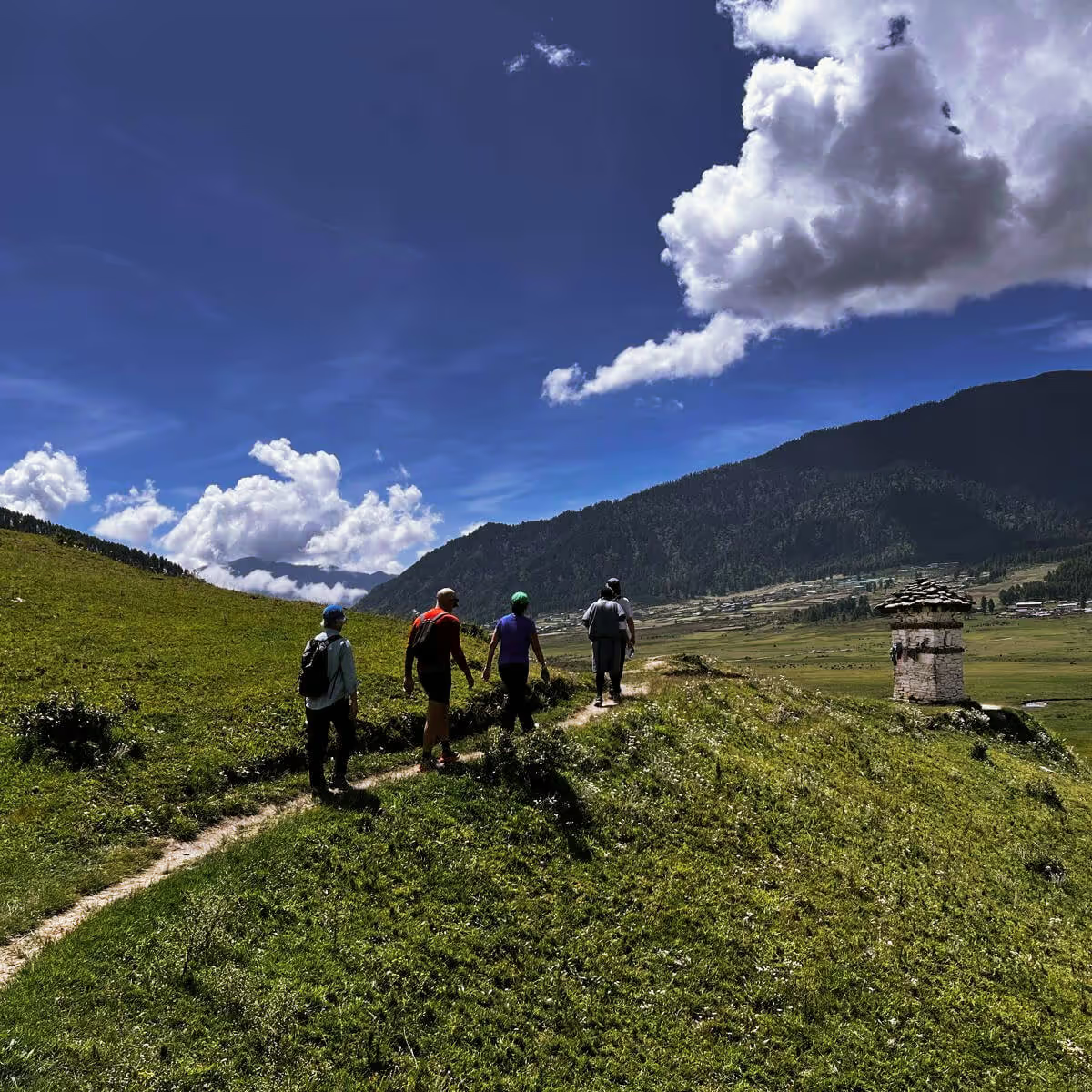
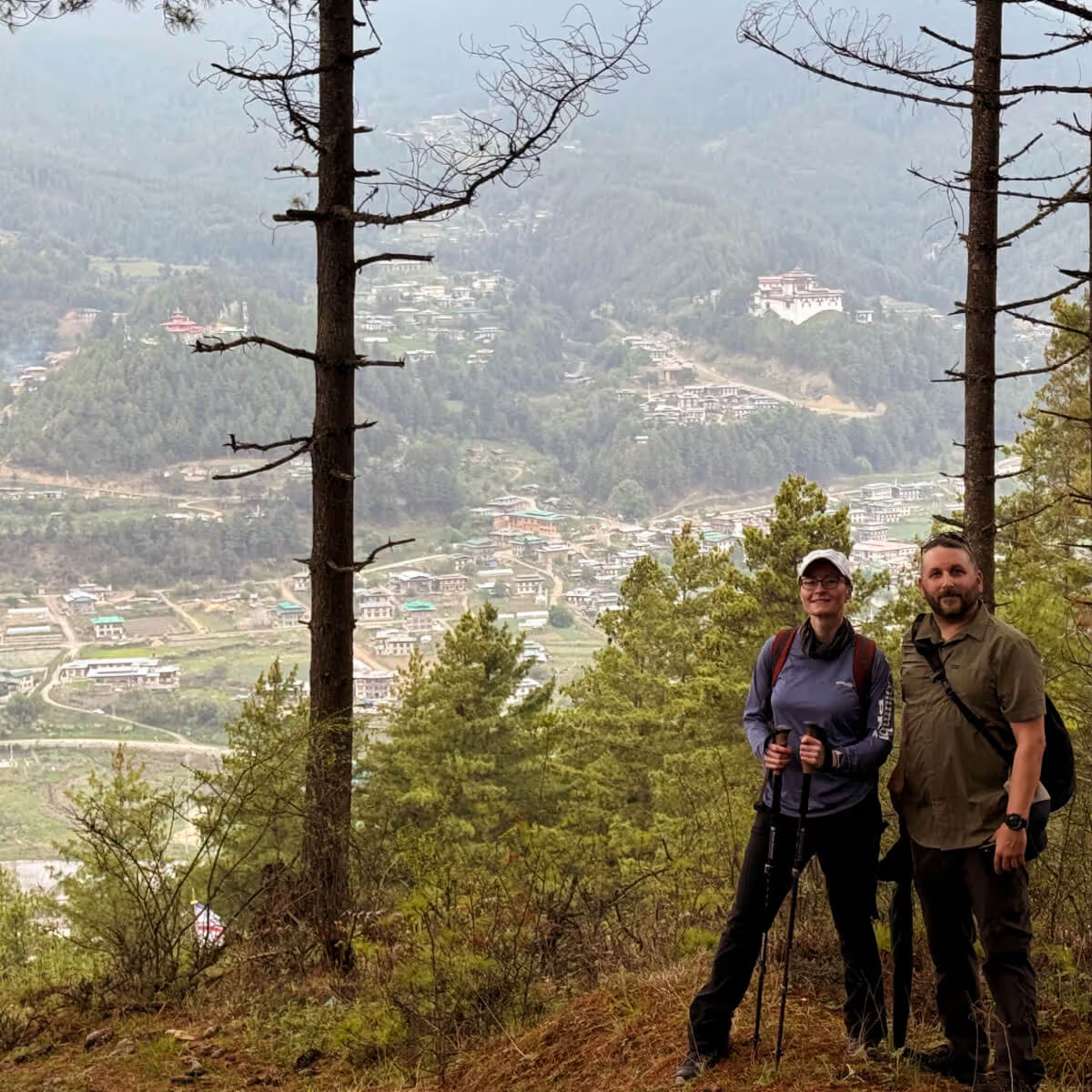
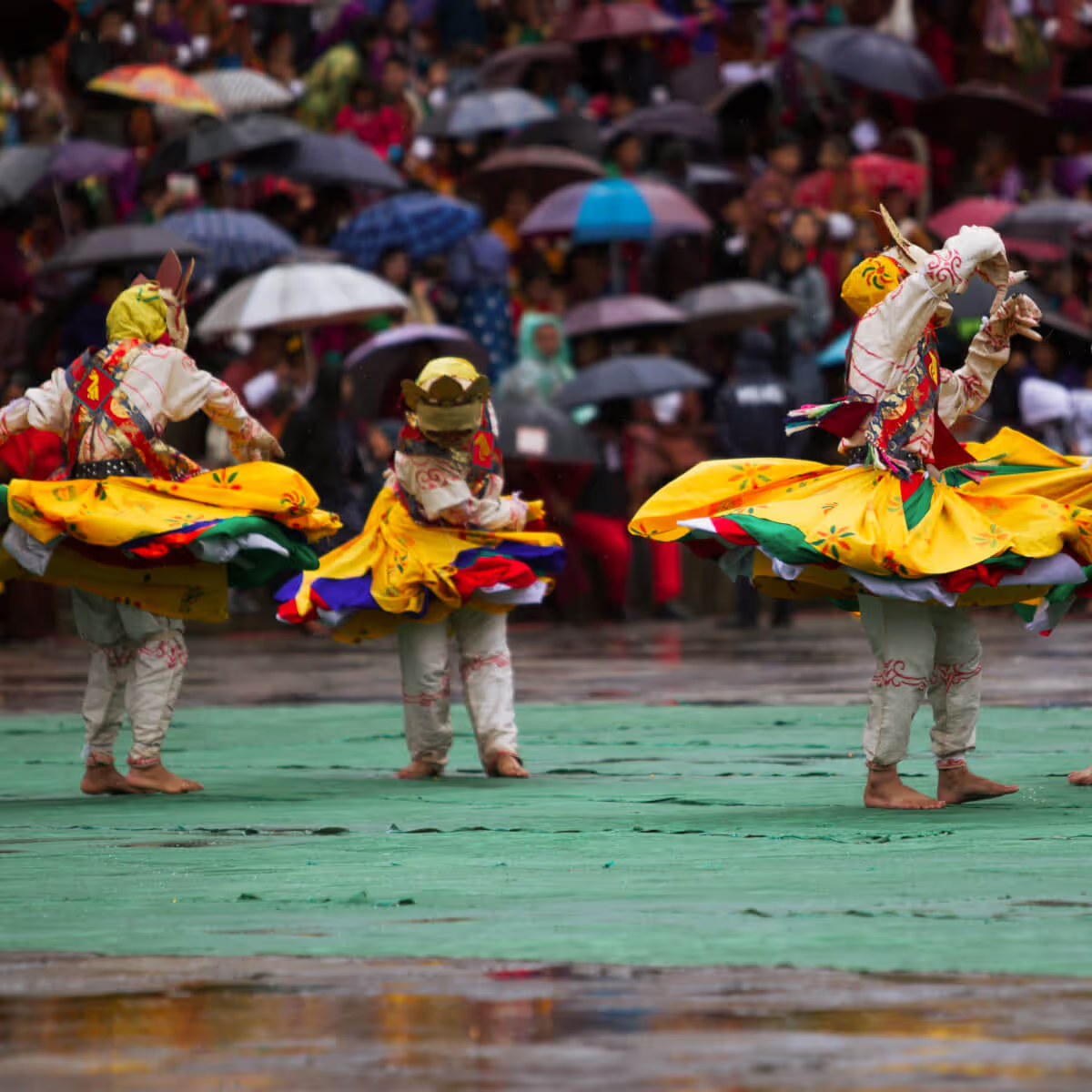
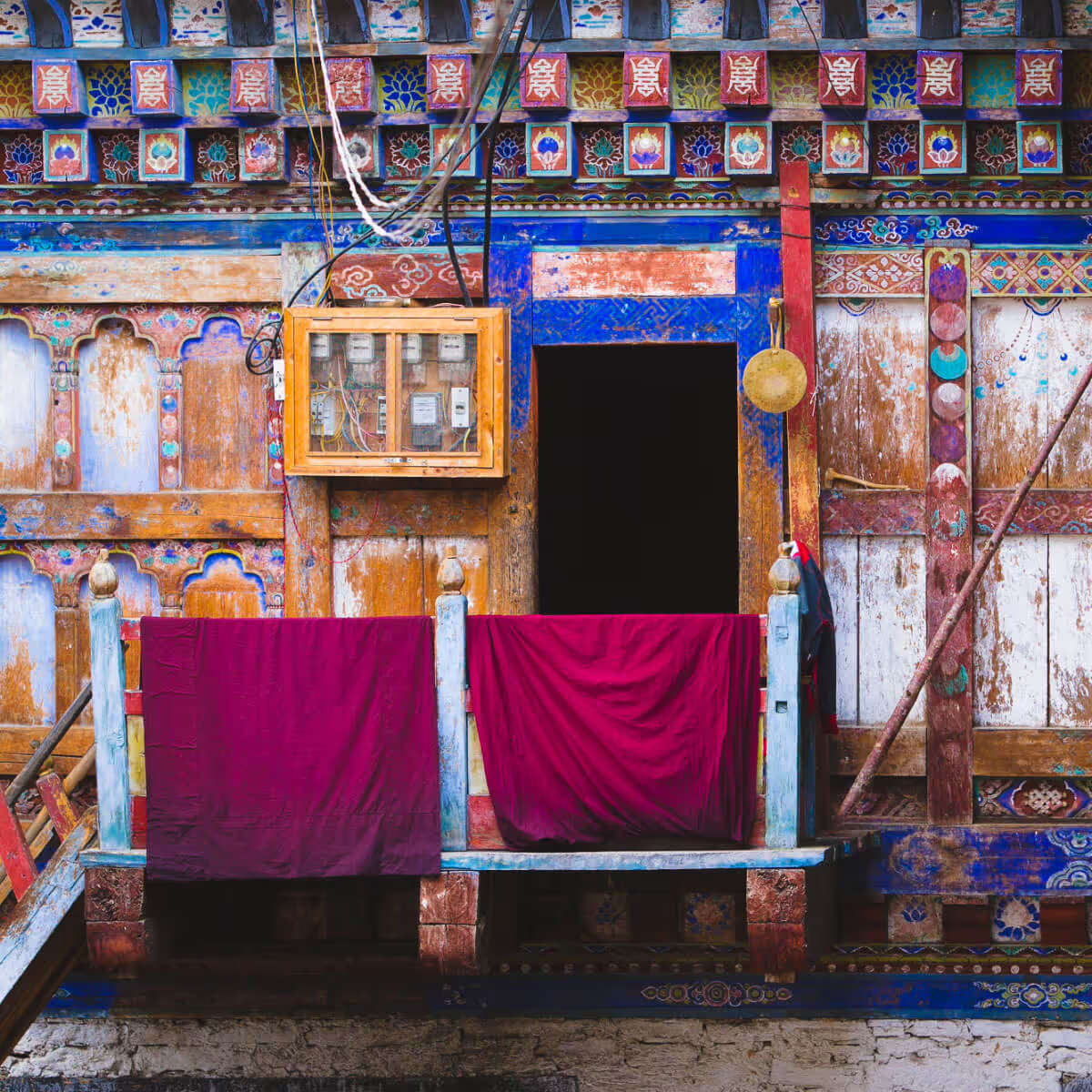
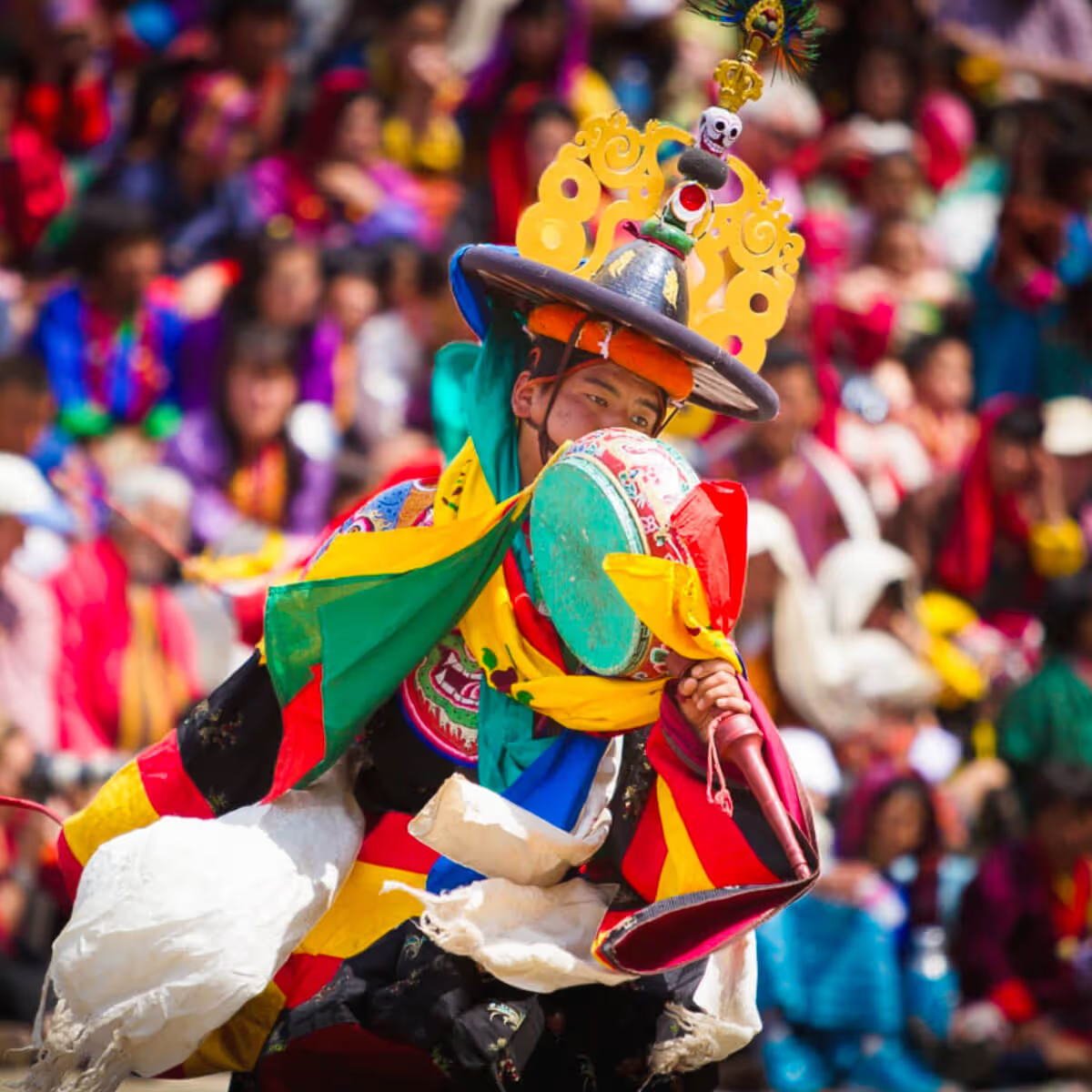


This private 8-day Bhutan cultural tour is designed for travellers who want to understand the country through its sacred places, traditional arts, village life, food, landscapes and everyday rhythms.
The journey begins in the peaceful hills outside Thimphu, where morning yoga, a forest walk to Wangditse Monastery, traditional arts and local markets offer a gentle introduction to Bhutanese culture.
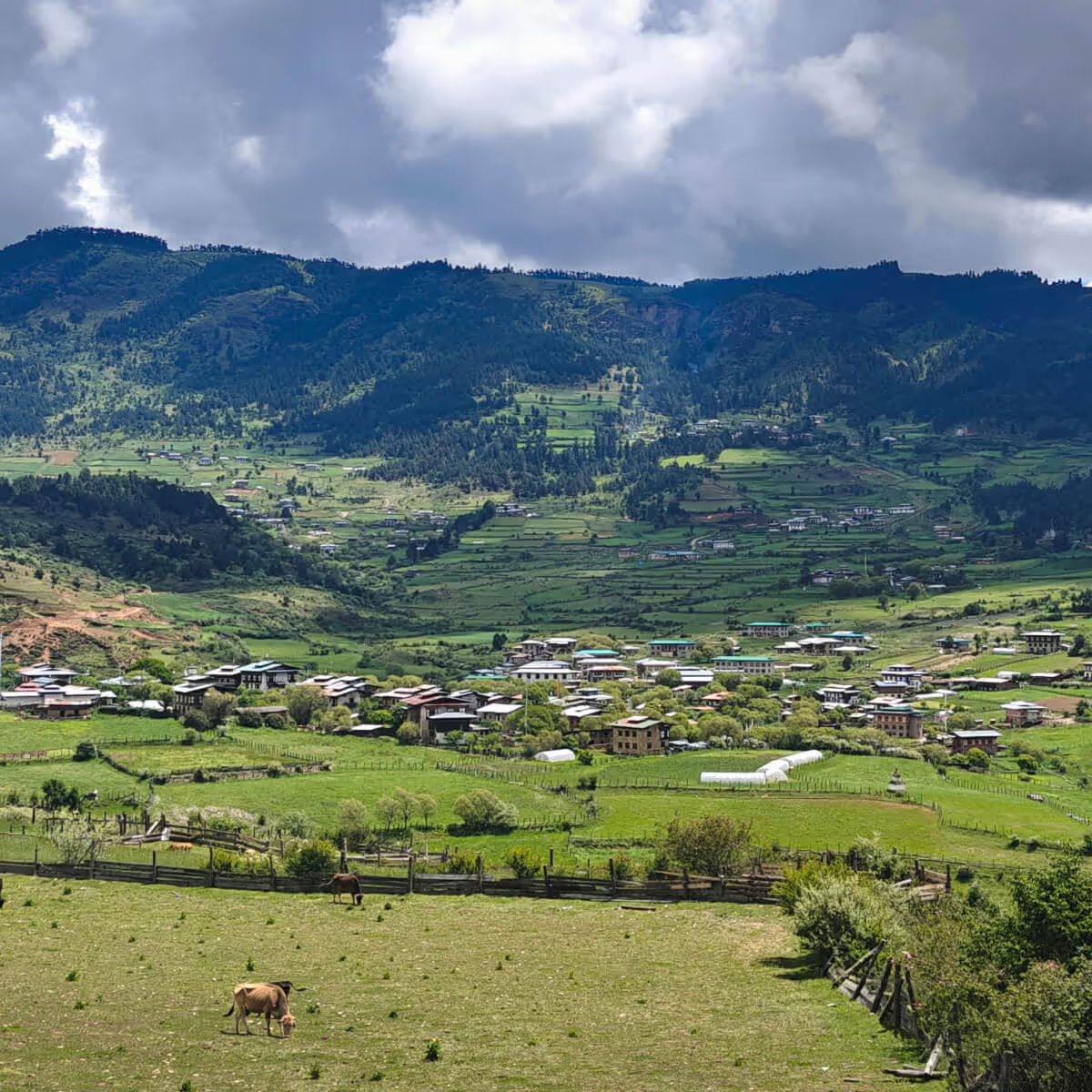
From Yusipang, walk through orchards and mossy forest along a section of the Trans Bhutan Trail to Dochula Pass. Continue into Phobjikha Valley, where open wetlands, village settlements and Gangtey Monastery reveal a quieter side of Bhutan.
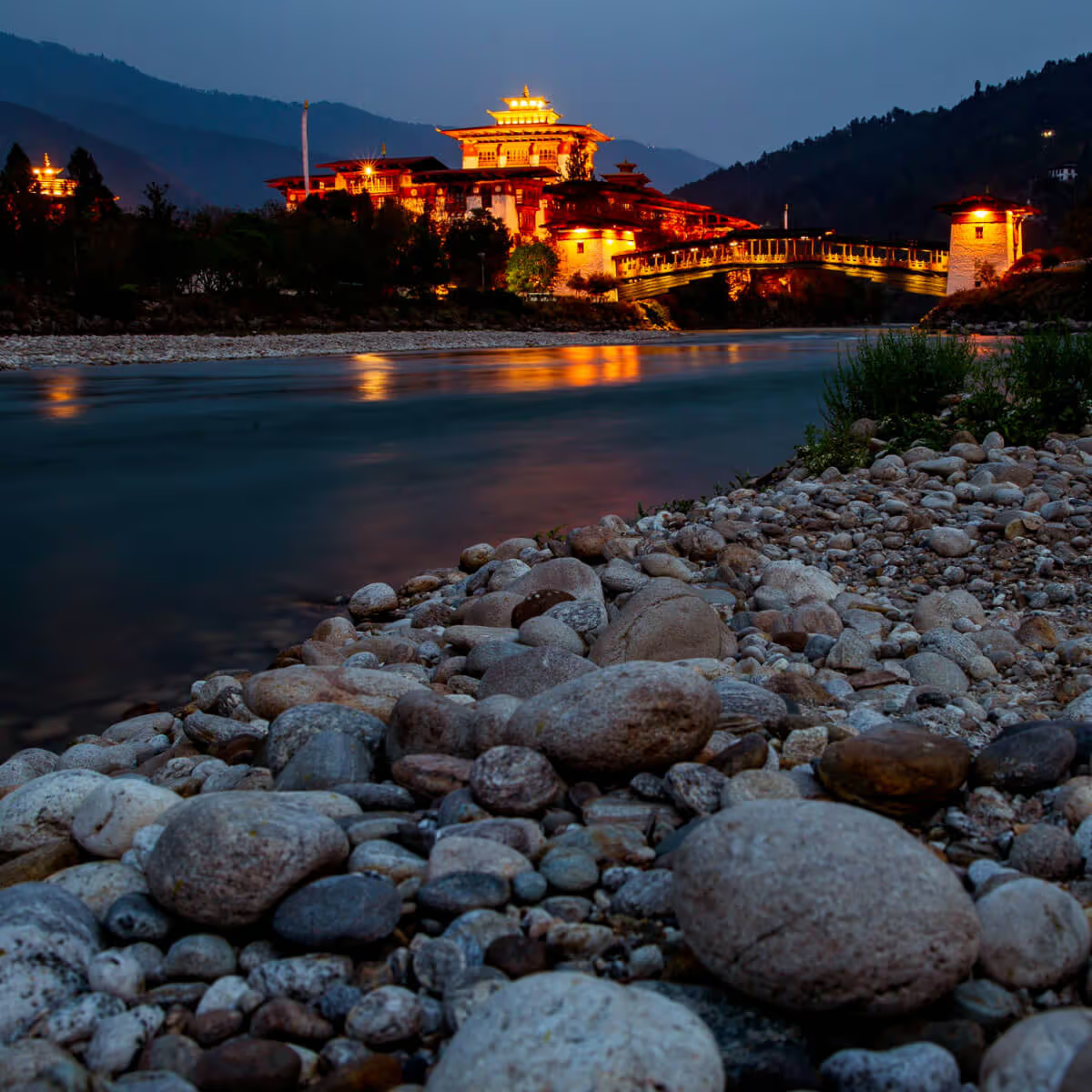
In Punakha, explore the great riverside dzong, cross its prayer-flag-covered suspension bridge, hike through farmland to Khamsum Yulley Namgyal Chorten and experience Raven’s signature encounter at Neyzergang through tree planting, butter lamps and time with monks.
The final part of the journey brings you to Paro for countryside cycling, sacred sand-mandala art, Tiger’s Nest Monastery and a restorative Bhutanese massage.
This is a cultural journey first, with walking and outdoor activity used to bring you closer to the landscapes and communities you visit.
Many cultural tours are built around a sequence of monuments. This journey allows you to experience Bhutan through participation.
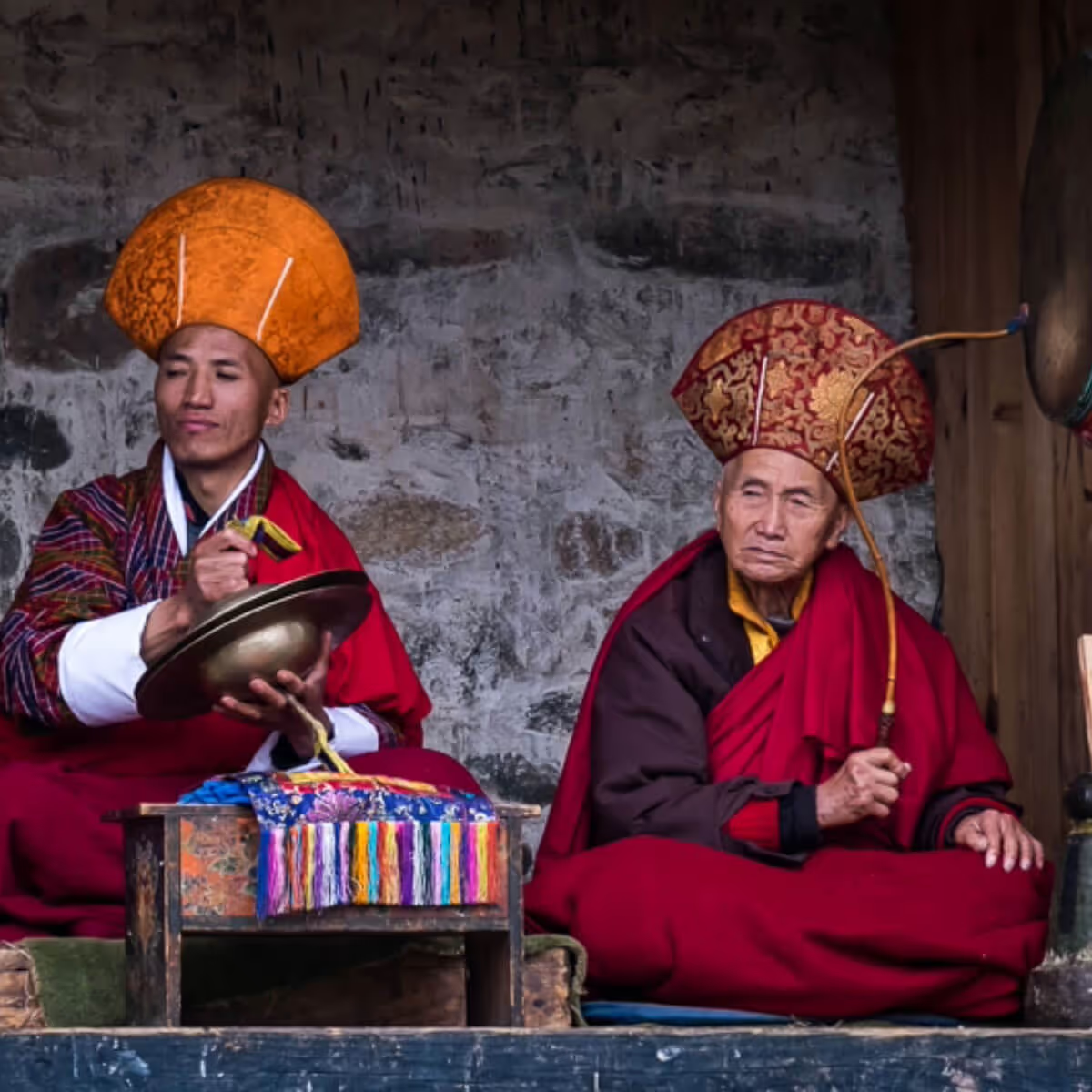
You meet young artists, walk to monasteries, explore local markets, create sacred art, plant a tree, hoist prayer flags and spend time with monks and village communities.
The walking, rafting and cycling are included not simply as adventure activities, but as ways to experience Bhutan from a more personal perspective.
You reach Dochula on foot through forest, see Punakha from the river and explore Paro’s countryside at a slower pace.
The journey is completely private, allowing your guide to adjust the programme according to your energy, cultural interests and preferred level of activity.
This itinerary is suitable for couples, friends, solo travellers and private families looking for a well-rounded introduction to Bhutan.
It is particularly suited to travellers interested in:
It is ideal for guests who want more depth than a conventional sightseeing tour but do not want a trekking or adventure-focused itinerary.
This journey contains several active experiences, but it is not designed to feel physically demanding every day.
Your guide will adjust departure times, walking distances and activity levels according to your energy, weather and interests.
The longer hike to Dochula can be shortened or replaced with a scenic drive. Rafting can be changed to a riverside cultural experience, while cycling can be replaced with a village walk or additional time in Paro.
The goal is to maintain a meaningful cultural journey without making the itinerary feel rushed or overly active.
This is a moderately active cultural journey.
The itinerary includes:
You should be comfortable walking on forest trails, village paths and monastery steps. Most activities can be shortened, adapted or replaced with a gentler alternative.
Tiger’s Nest is the most physically demanding part of the journey, but it will be approached steadily with time for rest and support from your guide.
Arrive at Paro International Airport, where your Raven guide and chauffeur welcome you to Bhutan.
Travel through the Paro and Thimphu river valleys towards Yusipang, a quiet hillside area outside the capital.
Rather than staying in the centre of Thimphu, settle into a peaceful countryside retreat surrounded by fresh mountain air, gardens and forested slopes.
The location offers a calm introduction to Bhutan and places you close to the trail towards Dochula Pass.
Depending on your arrival time, enjoy tea, a short walk around the property and a relaxed dinner.
Overnight: Yusipang, near Thimphu
Begin with a gentle morning yoga session in the hills of Yusipang.
After breakfast, travel into Thimphu and begin the Wangditse Monastery walk. The trail passes through pine and rhododendron forest before reaching an 18th-century temple overlooking the capital and Tashichho Dzong.
Continue to a traditional art school where young Bhutanese students learn painting, woodcarving, embroidery and other national crafts.
Where suitable, try a simple hands-on art activity, light a butter lamp and share tea with the students.
After lunch, explore Thimphu’s farmers’ market, local shops, handicraft stalls and cafés. End the day with dinner in a traditional heritage-style setting.
Walking: Approximately 4 km round trip
Difficulty: Easy
Overnight: Yusipang, near Thimphu
Begin directly from your accommodation and follow a section of the Trans Bhutan Trail towards Dochula Pass.
The route passes through orchards before entering pine, rhododendron and moss-covered forest.
The steady ascent leads towards Dochula’s 108 chortens, offering a more meaningful way to arrive at one of Bhutan’s best-known mountain passes.
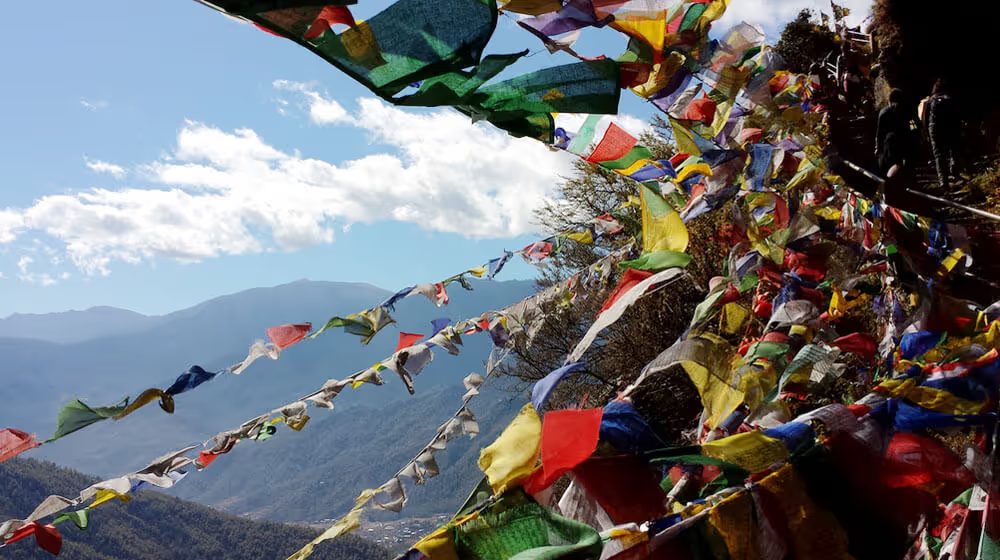
On clear days, distant Himalayan peaks may be visible beyond the prayer flags and forested ridges.
After time at Dochula, continue by private vehicle towards Gangtey and Phobjikha Valley.
Walking: Approximately 10 km
Duration: Around 3–4 hours
Elevation Gain: Approximately 430 metres
Difficulty: Moderate
Overnight: Phobjikha Valley
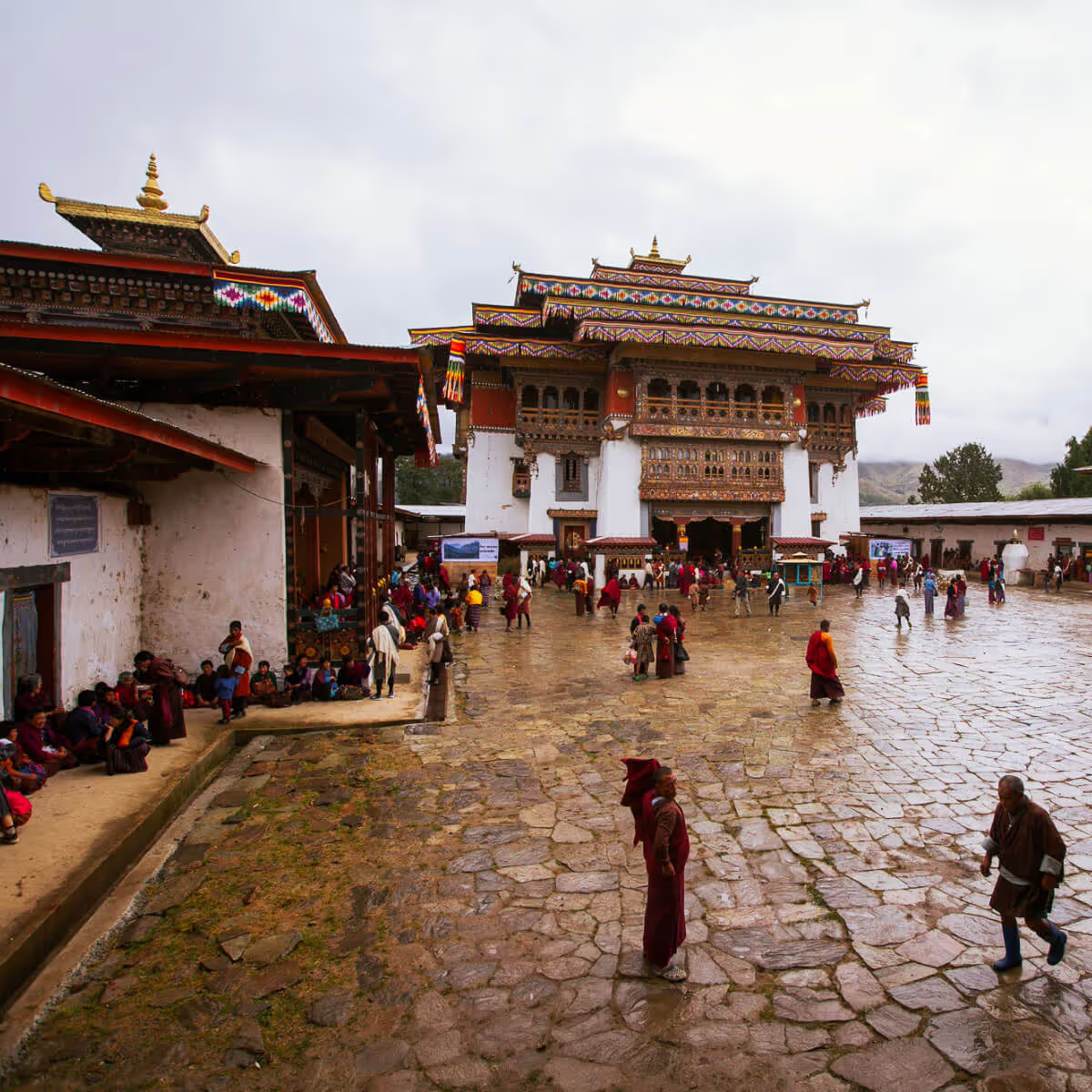
Begin near Gangtey Monastery and follow the Gangtey Nature Trail through pine forest, bamboo, village settlements and open wetlands.
The trail offers a quiet introduction to Phobjikha’s rural life and highland environment.
During the colder months, black-necked cranes may be seen across the valley, although sightings cannot be guaranteed.
Before leaving Phobjikha, pause at a suitable mountain location to hoist prayer flags with guidance from your Raven guide.
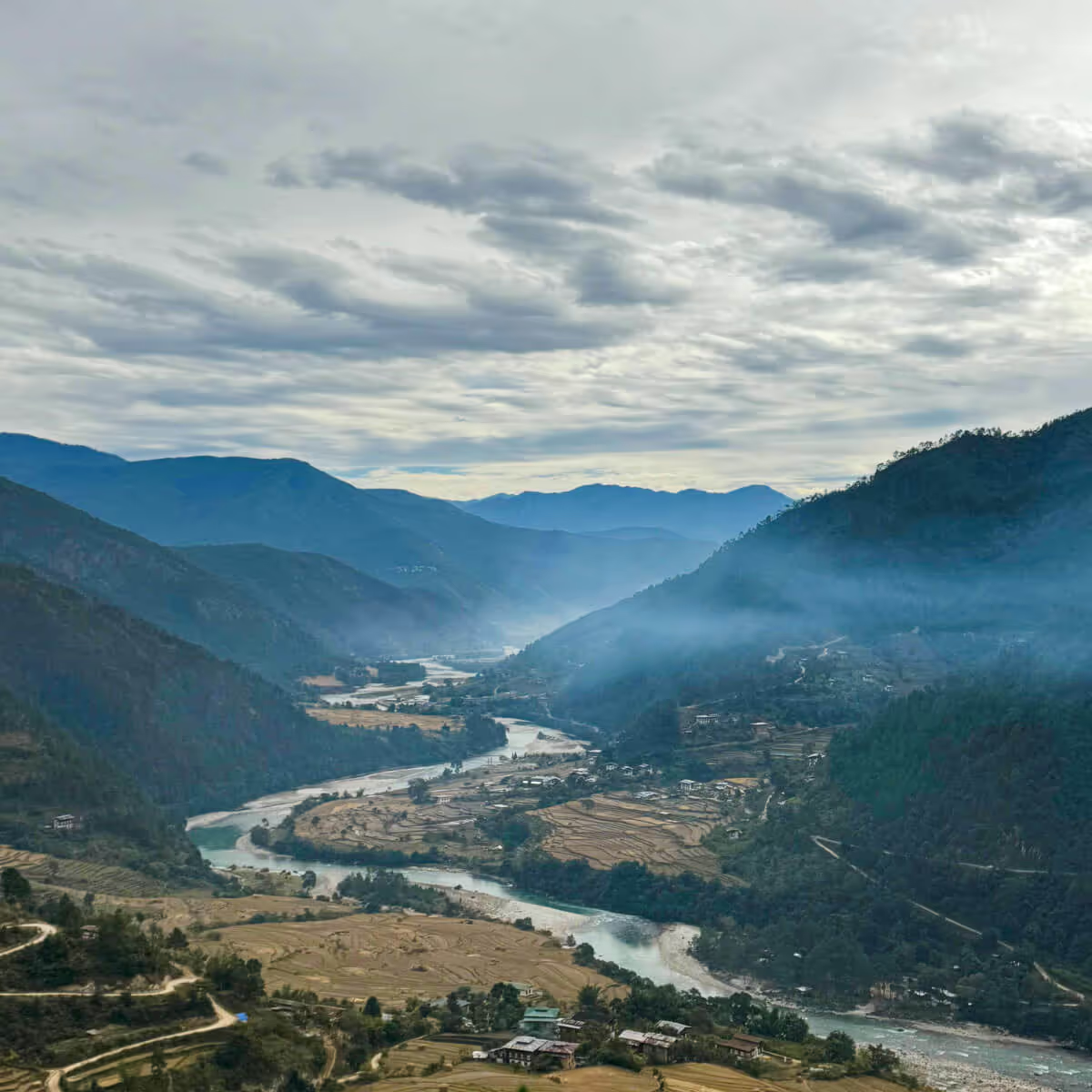
Continue into Punakha Valley. After lunch, cross the long suspension bridge over the Pho Chhu River and visit Punakha Dzong at the meeting point of the Pho Chhu and Mo Chhu rivers.
Walking: Approximately 4 km
Difficulty: Easy
Overnight: Punakha countryside stay
Begin with the hike to Khamsum Yulley Namgyal Chorten.
The trail rises through terraced fields, farmland and village scenery before reaching the hilltop temple.
From the upper level, enjoy broad views across the Mo Chhu River and surrounding valley.
After descending, pause for tea beside the river before beginning a private rafting experience.
Depending on river conditions and your comfort, Raven can arrange either a calm scenic float or a more active rafting route.
After a relaxed riverside lunch, continue to Neyzergang Monastery for a Raven signature cultural experience.
Plant a young tree, light butter lamps and spend time with monks. Where possible, a learned monk may share a simple introduction to Buddhist philosophy and Bhutanese spiritual traditions.
Walking: Approximately 3 km
Duration: Around 1.5–2 hours
Difficulty: Easy to Moderate
Overnight: Punakha countryside stay
Leave Punakha and travel west towards Paro, with scenic stops along the journey.
After arrival and lunch, explore the countryside around Paro by bicycle.
The route follows quieter roads near Dopshari, passing traditional farmhouses, cultivated fields and valley viewpoints.
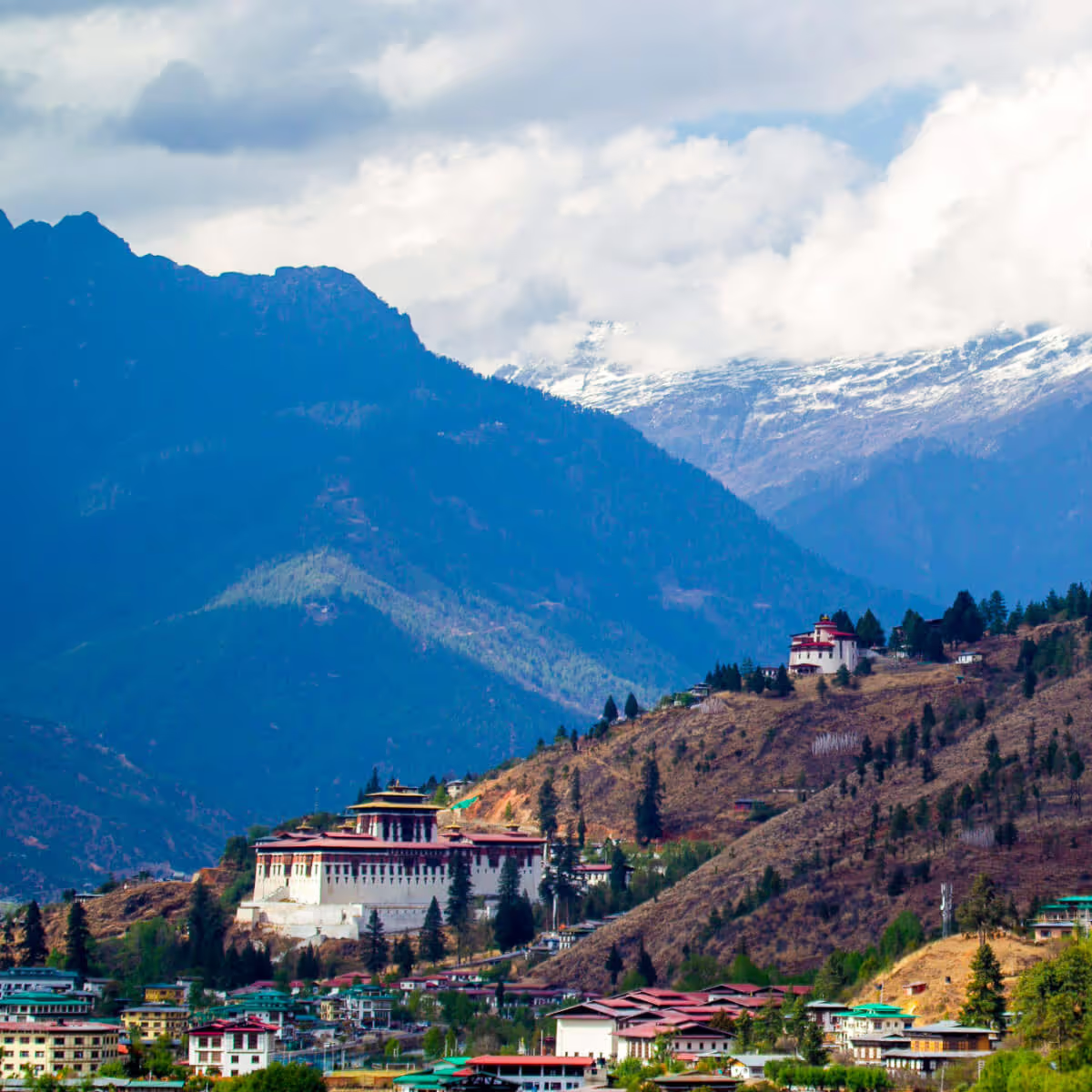
Enjoy views towards Rinpung Dzong, Paro International Airport and the surrounding hills.
Later, take part in a sand-mandala experience with guidance from a Bhutanese artisan.
Using coloured sand and traditional tools, create small sacred patterns while learning about concentration, patience and the Buddhist teaching of impermanence.
Cycling: Approximately 1 hour
Difficulty: Easy to Moderate
Overnight: Paro
Begin early for the hike to Paro Taktsang, widely known as Tiger’s Nest Monastery.
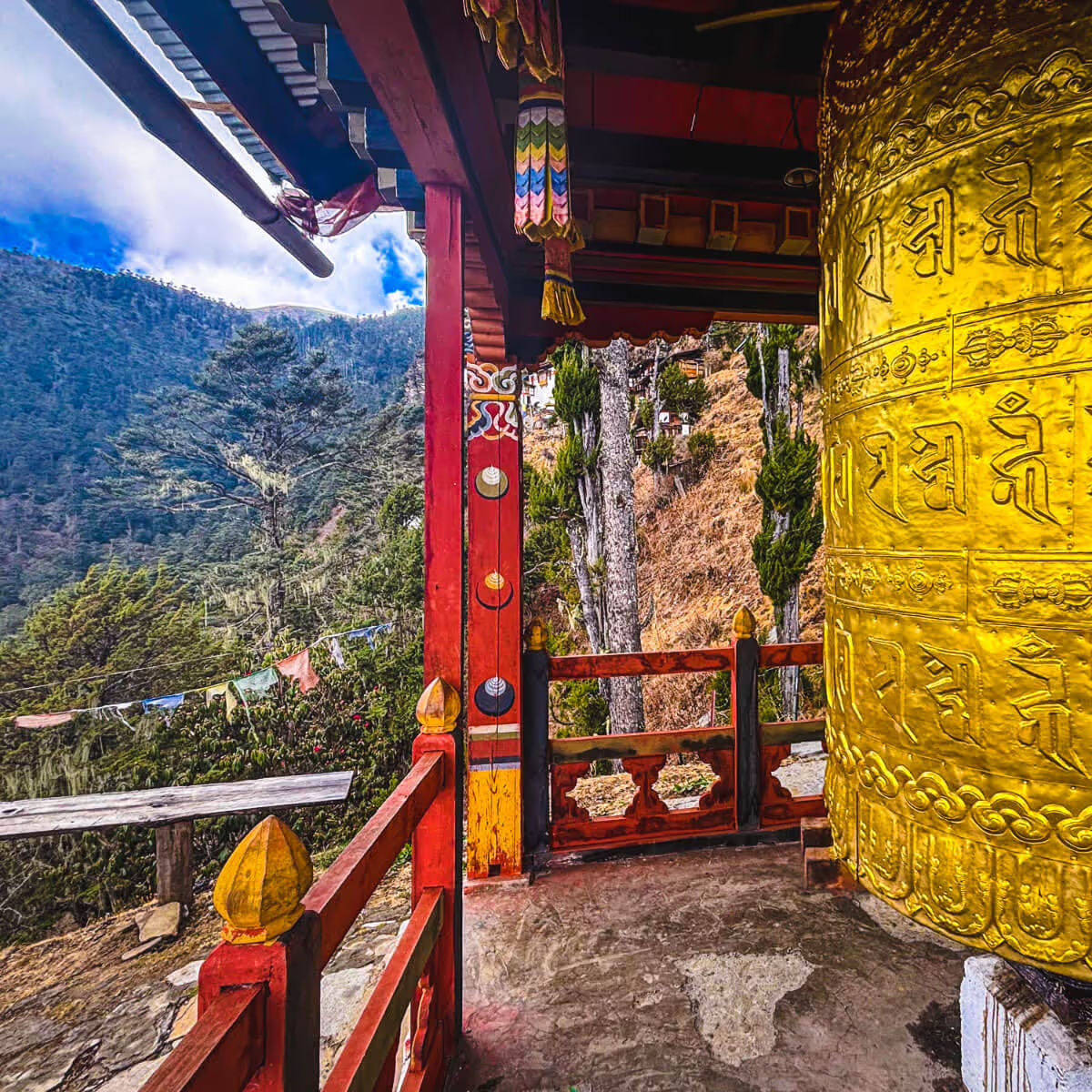
The trail climbs steadily through pine forest, passing prayer wheels and viewpoints overlooking Paro Valley.
Pause at the halfway cafeteria for tea and rest before continuing towards the monastery complex built into the cliff.
Your guide will maintain a comfortable pace and allow time for photographs, breaks and quiet reflection.
After descending, enjoy a relaxed lunch followed by a traditional Bhutanese massage using warm oils and gentle techniques to ease tired muscles.
Conclude the journey with a farewell dinner in Paro.
Walking: Approximately 6.5 km round trip
Duration: Around 5–7 hours
Elevation Gain: Approximately 520 metres
Difficulty: Moderate to Challenging
Overnight: Paro
Enjoy a relaxed final morning before your private transfer to Paro International Airport.
Your Raven guide and chauffeur will assist with your departure and bid you farewell after a journey shaped by sacred sites, village landscapes, traditional arts, monastery encounters and Bhutanese hospitality.
Add a farmhouse hot stone bath in Paro for a deeper wellness experience.
During the crane season, spend additional time with a local nature guide or at a suitable viewing location in Phobjikha.
Arrange a longer discussion or guided meditation with a qualified Buddhist teacher, subject to availability.
This journey uses walking and outdoor experiences to deepen your understanding of Bhutan.
The forest trail to Dochula connects you with an old mountain route. The Gangtey walk introduces rural highland life. Punakha’s river and village landscapes provide another perspective, while Paro cycling offers a relaxed way to see its countryside.
Each active experience is balanced with monasteries, traditional art, local food, wellness and time to rest.
The final itinerary may be adjusted according to flight timings, weather, trail conditions, river safety and your preferred pace.

Each valley contributes a different cultural dimension to the journey.
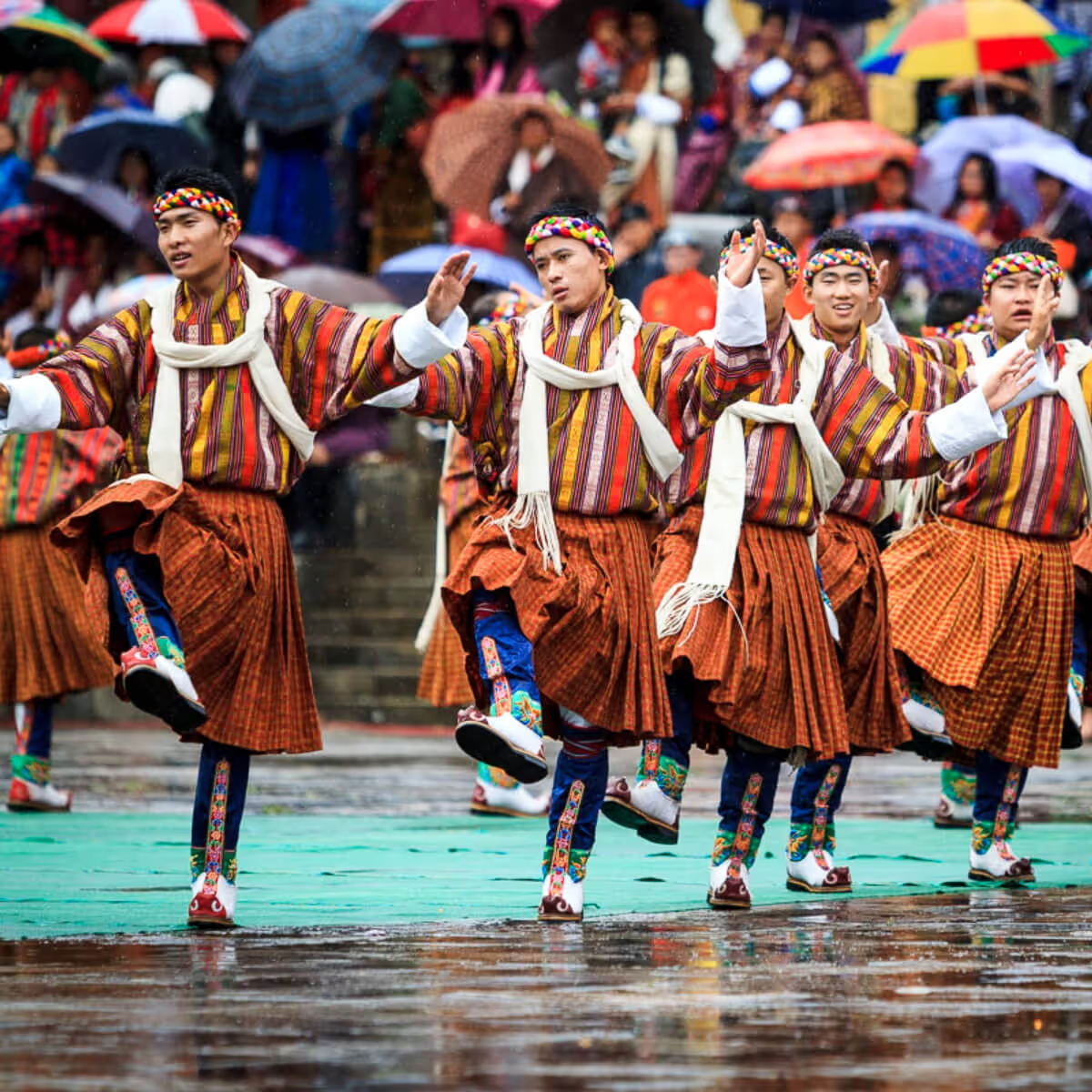
Thimphu introduces Bhutan’s traditional arts, local market life and forest monasteries.
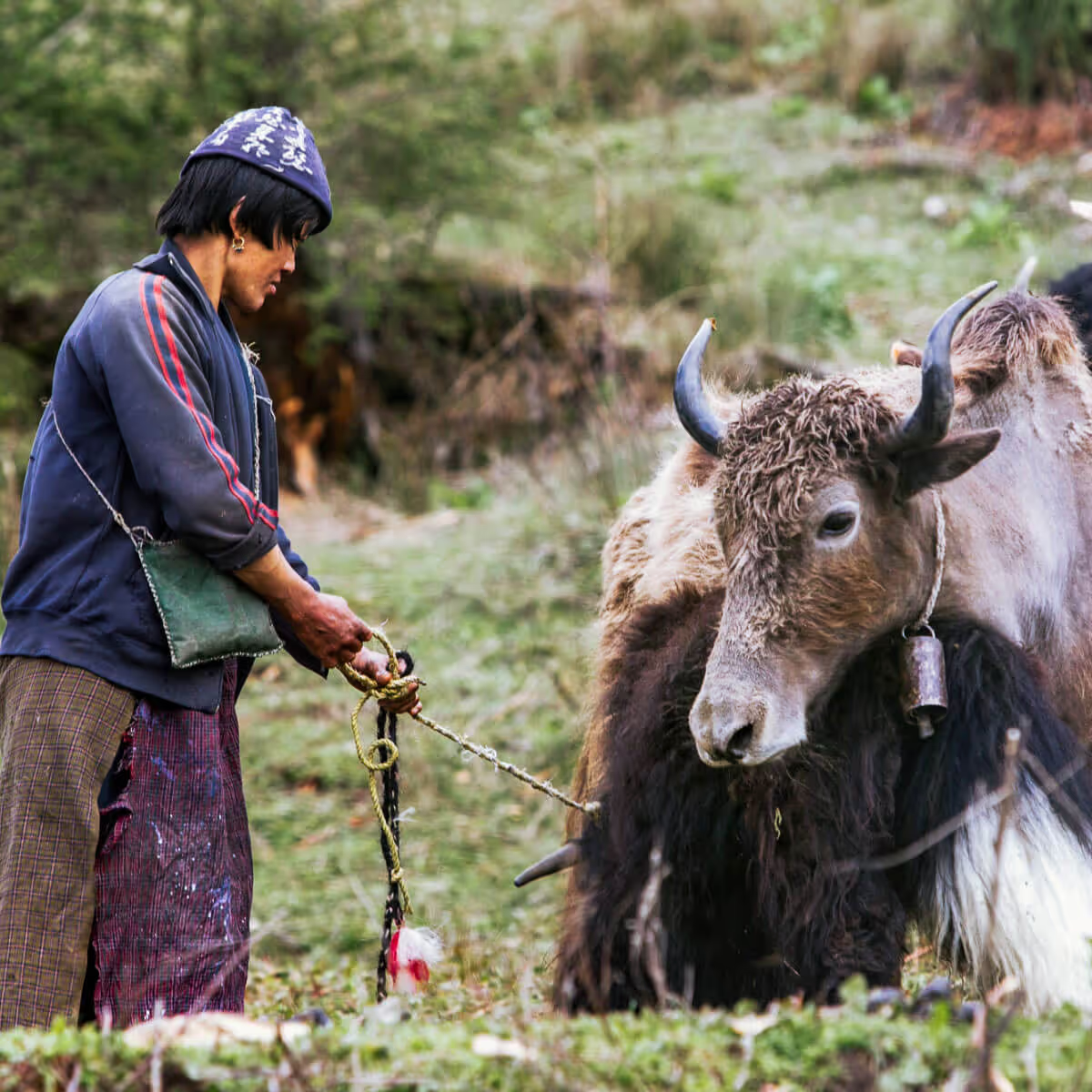
Phobjikha reveals highland villages, Gangtey Monastery and a rural way of life shaped by the valley’s natural environment.
Punakha brings river culture, historic architecture, farming landscapes and Raven’s monastery encounter at Neyzergang.
Paro completes the journey through sacred art, traditional countryside, Tiger’s Nest and restorative wellness.
Together, these valleys create a varied cultural journey with enough activity to keep the experience engaging without making it feel like a hiking tour.