

This private 7-day luxury Bhutan tour combines cultural discovery, natural landscapes, gentle activity and restorative wellness across four of Bhutan’s most distinctive valleys.
Begin in Thimphu with traditional arts, local markets, contemporary city life and dinner in a historic Bhutanese home. Travel across Dochula Pass into Phobjikha, where forested mountains open into a broad glacial valley shaped by farming traditions, Gangtey Monastery and the seasonal arrival of black-necked cranes.
Continue into Punakha for a walk through rice terraces to Khamsum Yulley Namgyal Chorten, private rafting, riverside dining and Raven’s signature experience at Neyzergang Monastery.
The journey concludes in Paro with countryside cycling, hands-on sand-mandala art and a stay devoted to Bhutanese wellbeing. A traditional medicine consultation introduces the principles behind local healing before the final hike to Tiger’s Nest Monastery.
Carefully chosen luxury and characterful countryside stays provide comfort without separating you from the places and people you have come to experience.
This journey approaches luxury as more than high-end accommodation.
It combines refined stays with experiences that remain personal and closely connected to Bhutan: learning from young artists, walking through highland villages, planting a tree with monks, creating sacred art and discovering traditional Bhutanese approaches to wellbeing.
Each valley contributes something different. Thimphu introduces Bhutan’s living arts and contemporary culture. Phobjikha offers space, nature and rural traditions. Punakha brings river life, farming landscapes and spiritual connection. Paro allows time for sacred art, healing and Tiger’s Nest.
The journey is completely private, with your own Raven guide and chauffeur. Daily timing can therefore be adapted around your interests, energy and preferred balance of cultural exploration, activity and rest.
This journey is suitable for couples, friends, solo travellers and private families looking for a higher level of comfort without losing cultural authenticity.
It is especially appropriate for guests interested in:
It is not designed as a demanding hiking holiday. Most walks are easy to moderate, although Tiger’s Nest requires several hours of steady ascent and descent.
This itinerary offers considerable variety without requiring every day to be highly active.
Your guide will adjust departure times, walking distances and activity levels according to weather, energy and personal interests. Time is allowed for photography, leisurely meals, village conversations and quiet moments at the lodges.
Rafting can be changed to a gentler riverside experience, while Paro cycling can be replaced with a countryside walk or additional wellness time.
Tiger’s Nest is the most physically demanding experience, but it will be approached steadily with rest stops and support from your guide.
This is a cultural and wellness journey with moderate outdoor activity.
The itinerary includes:
You should be comfortable walking on uneven trails, village paths and monastery steps. Most activities can be shortened or replaced, but Tiger’s Nest remains a sustained uphill and downhill walk.
Guests who enjoy refined accommodation but still want genuine cultural connection will find this journey especially rewarding.
Arrive at Paro International Airport, where your Raven guide and chauffeur welcome you to Bhutan.
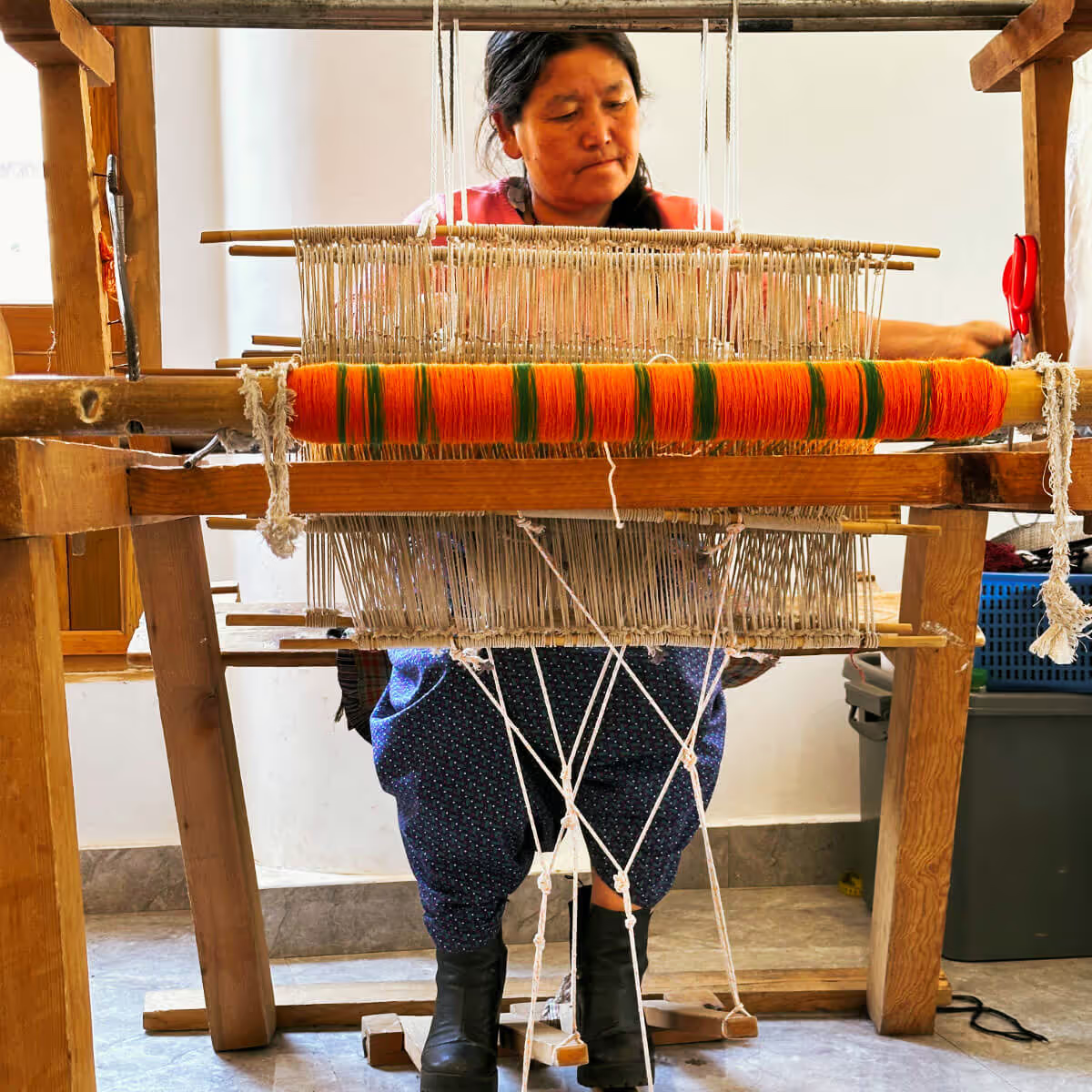
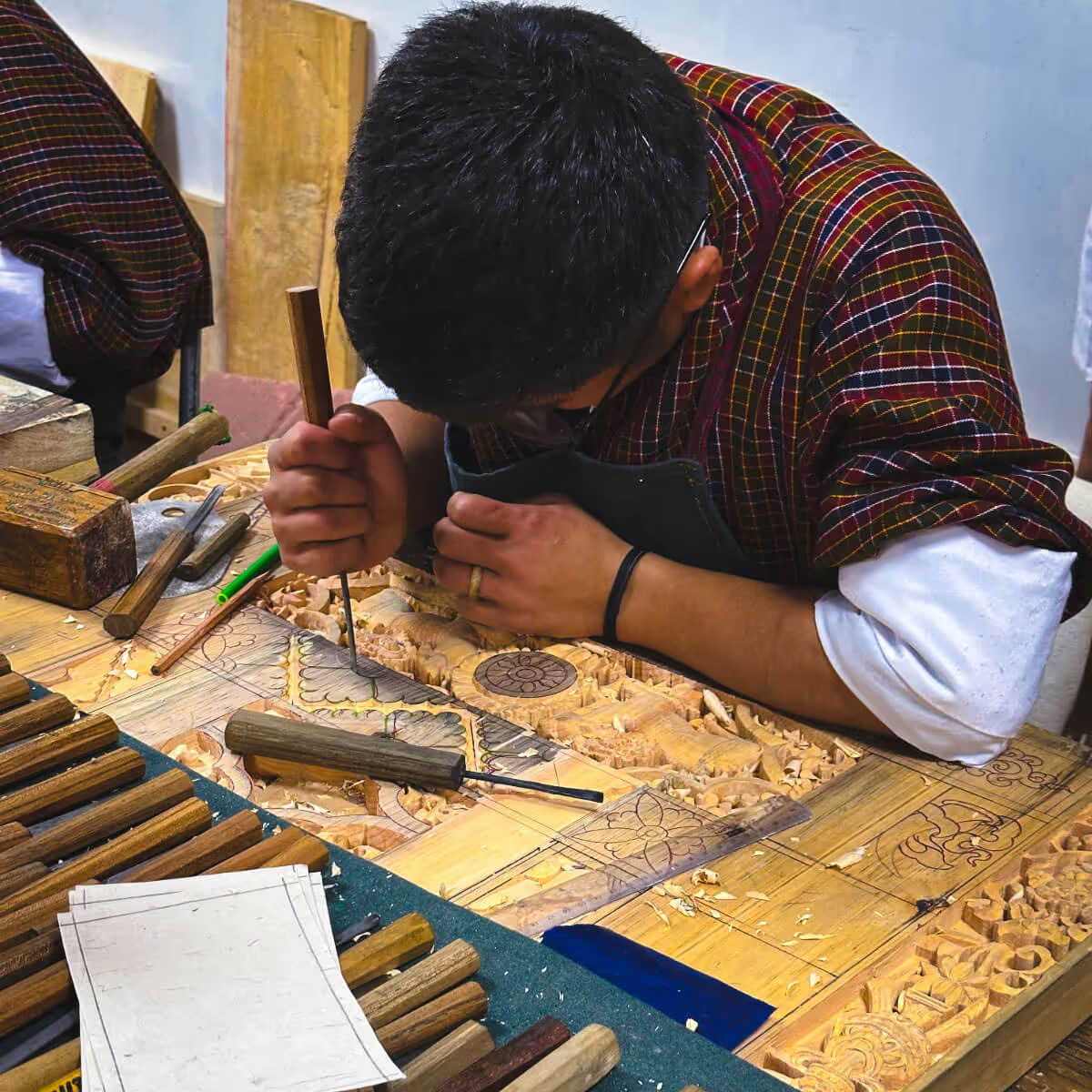
Travel privately to Thimphu through the Paro and Thimphu river valleys. After lunch, visit a traditional art school where young Bhutanese students continue to learn painting, woodcarving, embroidery and other national crafts.
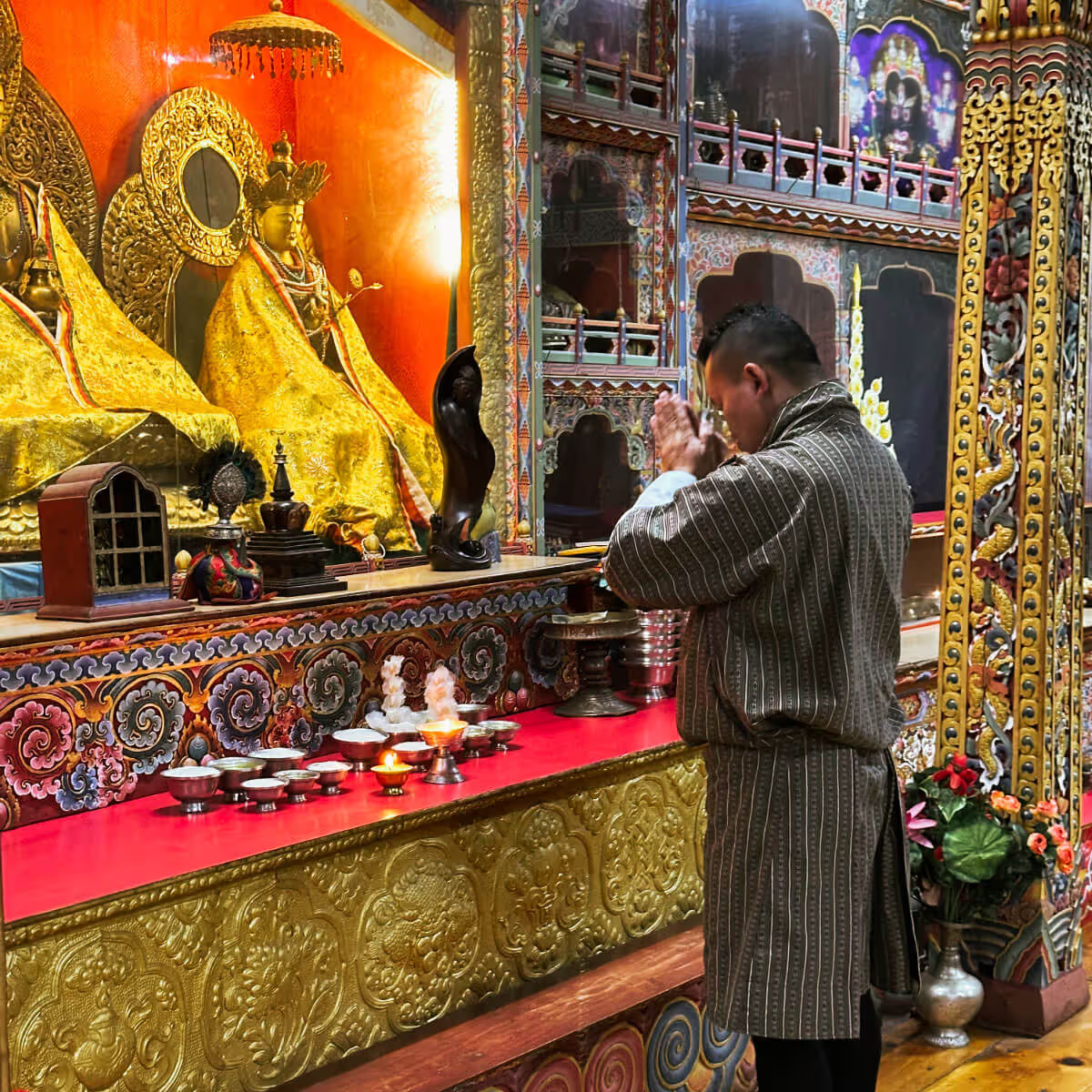
Meet the students, observe their training and try a simple hands-on artistic activity where appropriate. Light a butter lamp for blessings and share tea and roasted rice while learning why Bhutan’s traditional arts remain closely connected to religious and everyday life.
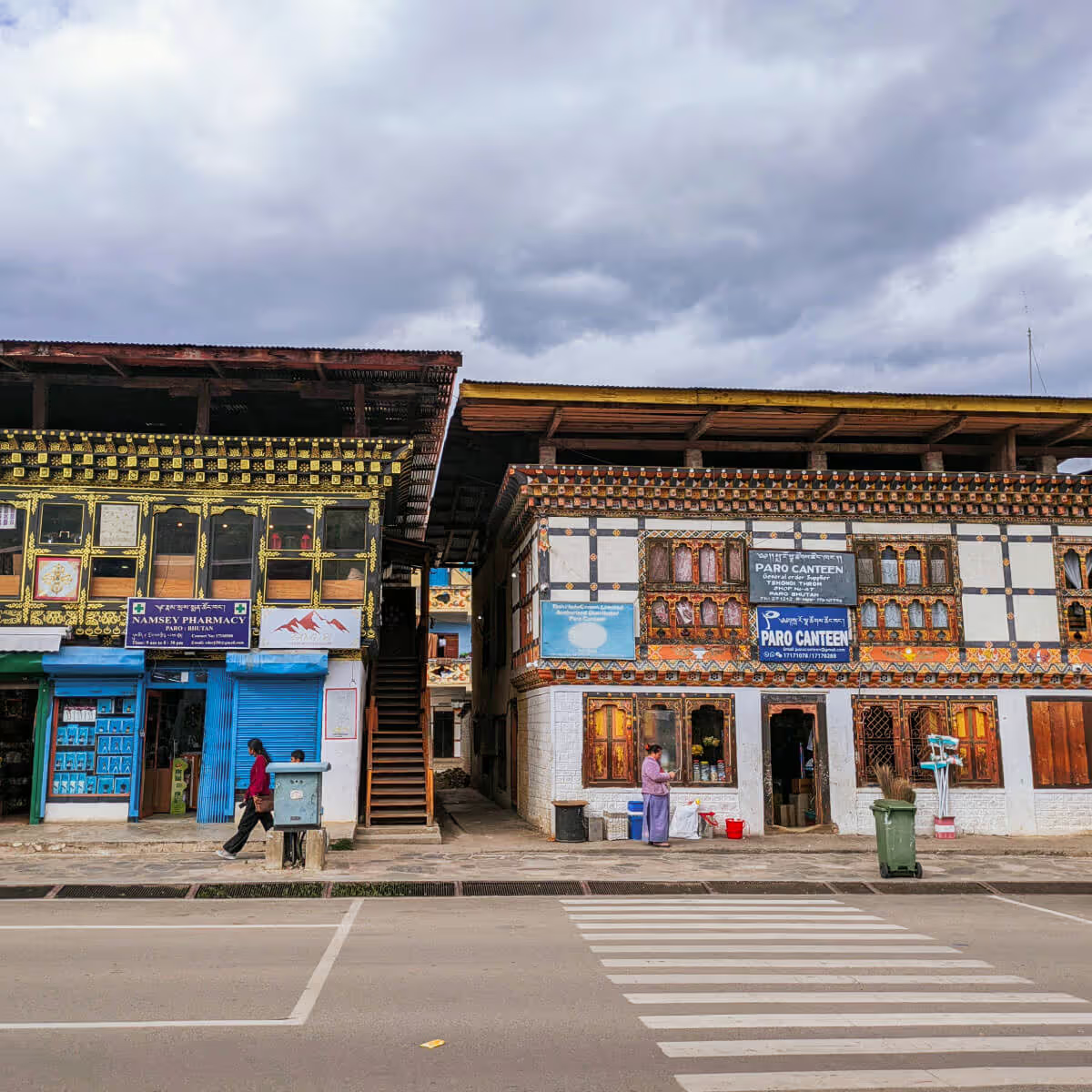
Later, stroll through Thimphu’s handicraft shops, bookshops, cafés and local streets. The capital offers an interesting introduction to a country balancing long-held traditions with contemporary life.
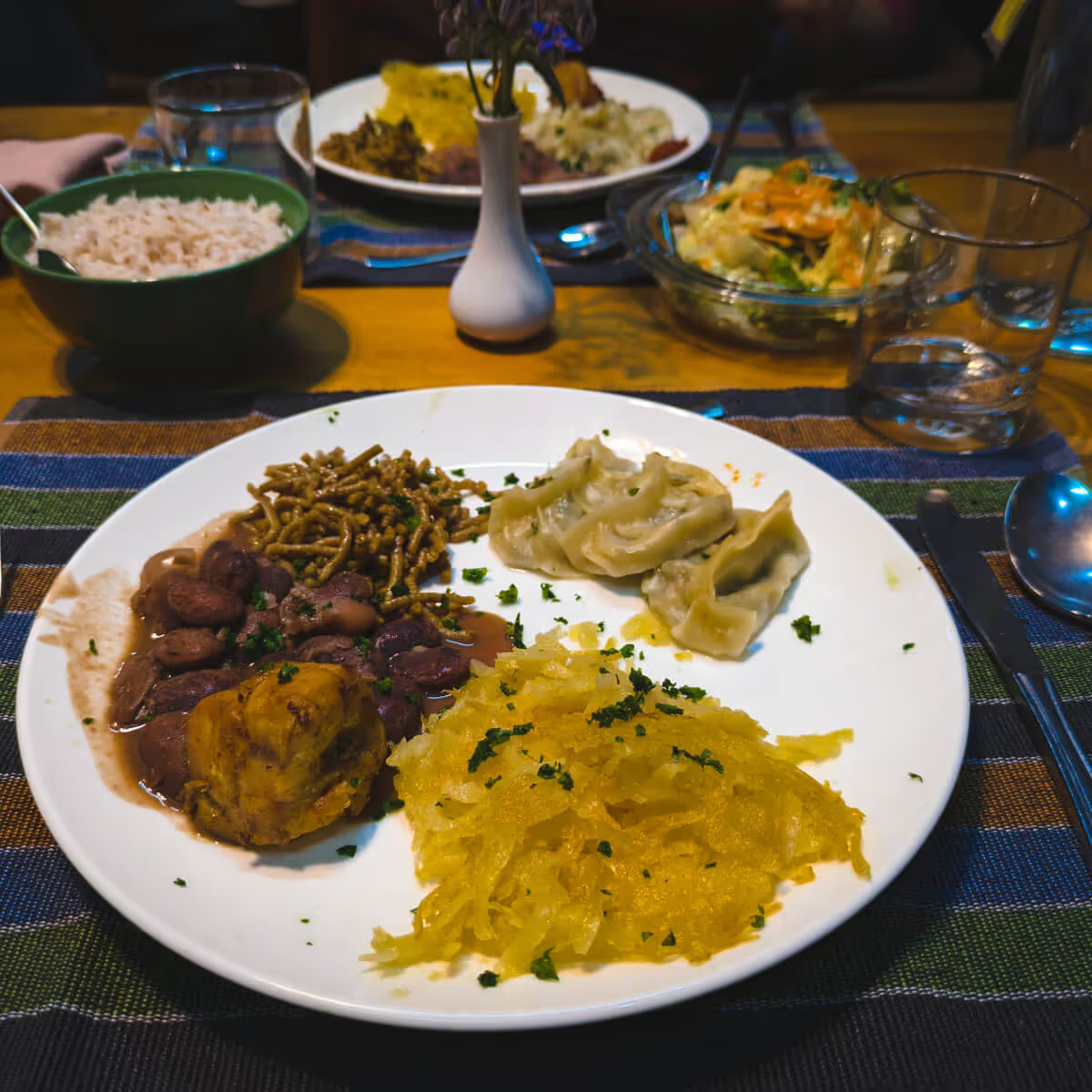
In the evening, dine inside a historic Bhutanese home, where traditional food and warm hospitality provide a more personal first taste of the country.
Overnight: Thimphu
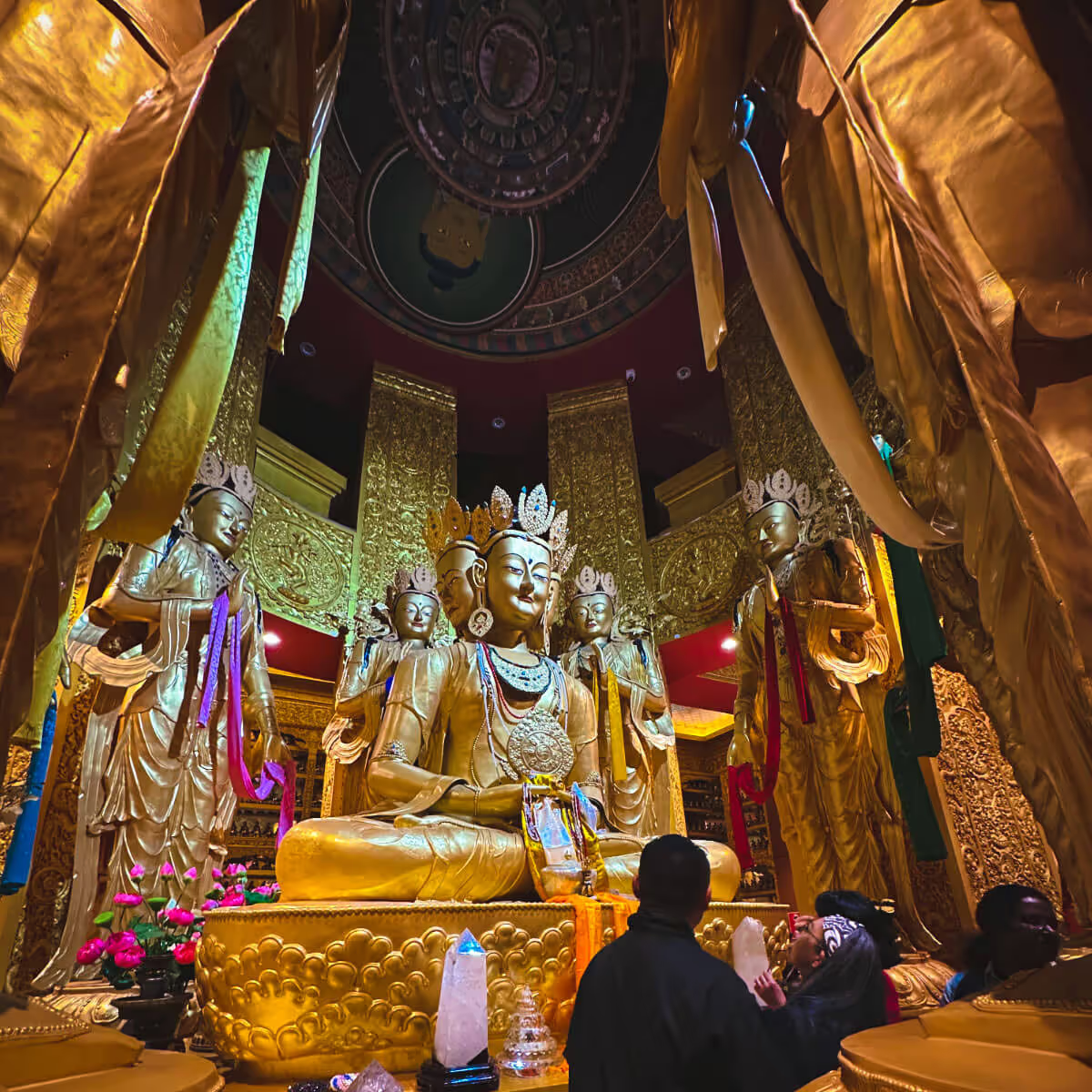
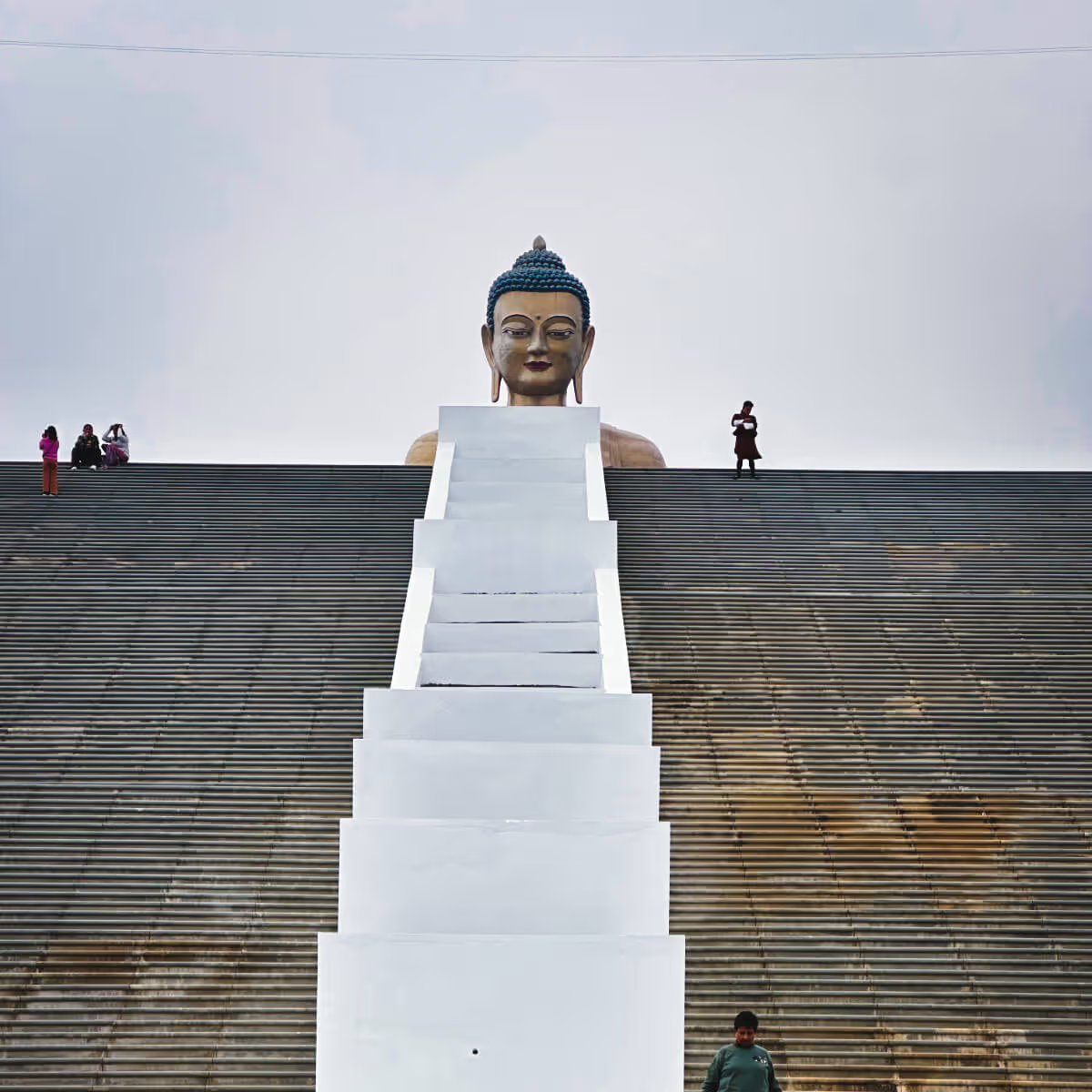
Begin at Buddha Dordenma, the great golden statue overlooking Thimphu Valley.
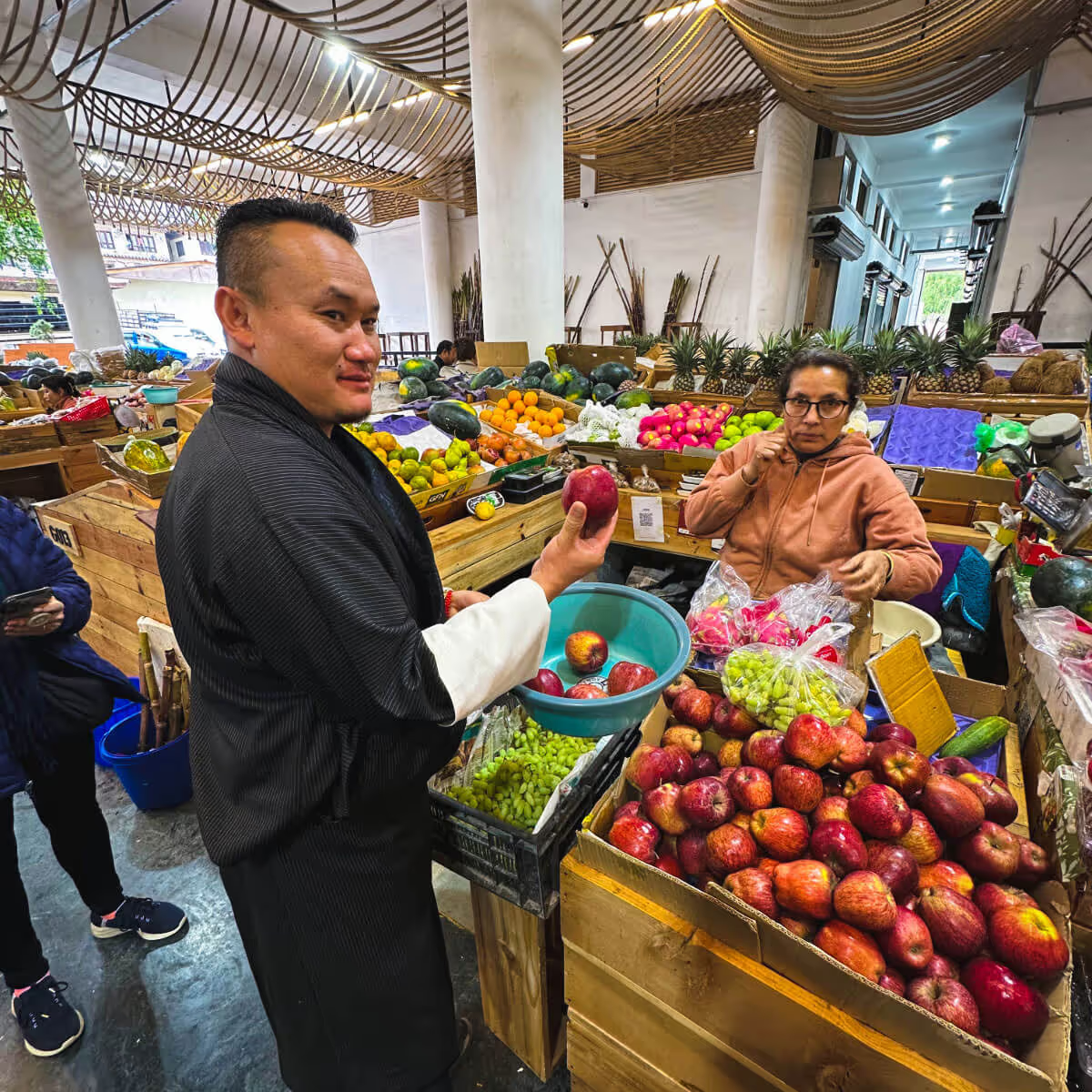
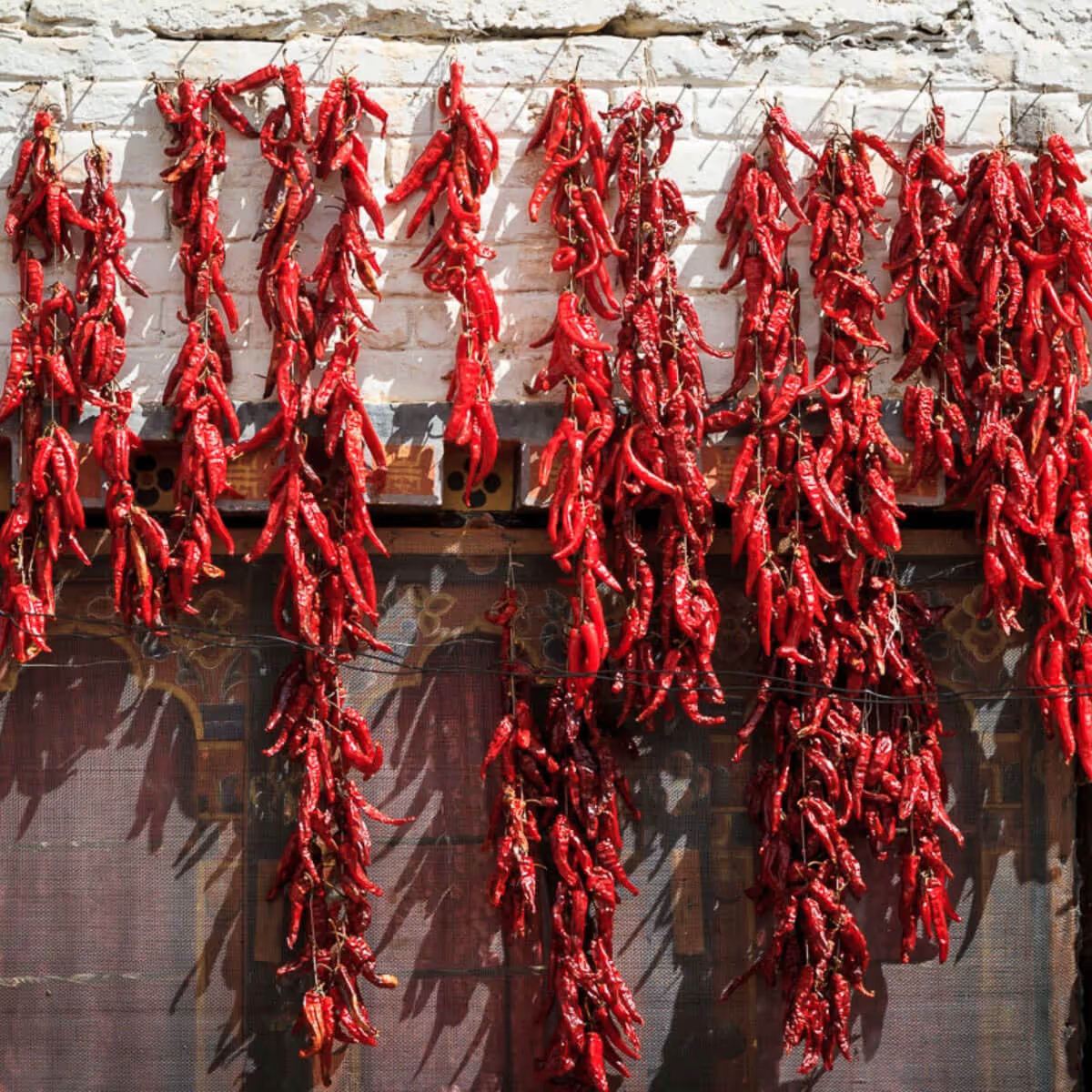
Continue to the farmers’ market, where seasonal vegetables, chillies, cheese, grains, fruit, incense and household products reveal the daily food culture of Bhutan.
Leave Thimphu and pause in the countryside for tea or coffee before crossing Dochula Pass. Walk among its 108 chortens and visit the nearby temple. On a clear day, the pass may offer extensive views towards Bhutan’s northern mountains.
Continue east through changing vegetation and mountain settlements towards Gangtey and Phobjikha Valley. Your guide will pause at suitable viewpoints and watch for langurs, mountain birds and other wildlife along the forested road.
Arrive at your highland lodge overlooking the broad valley. Settle in beside the fire, enjoy the mountain views and experience an evening shaped by Bhutanese hospitality and quiet surroundings.
Driving: Approximately 5½–6 hours, excluding stops
Overnight: Phobjikha Valley
Begin near Gangtey Monastery and follow the Gangtey Nature Trail through pine forest, bamboo, open meadows and traditional village settlements.
The trail gradually descends towards the wetlands, passing farmhouses, grazing animals and small temples. During the colder months, black-necked cranes may be present in the valley, although sightings cannot be guaranteed.
Spend a little time within a nearby village, meeting a farming family where arrangements and daily routines permit. Learn about potato cultivation, winter life, traditional homes and the close relationship between local communities and the valley’s protected environment.
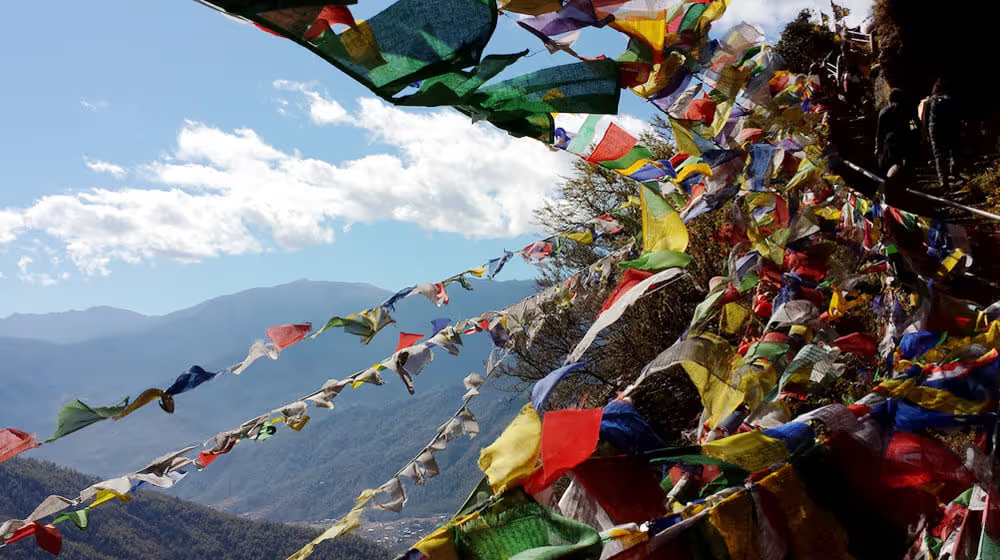
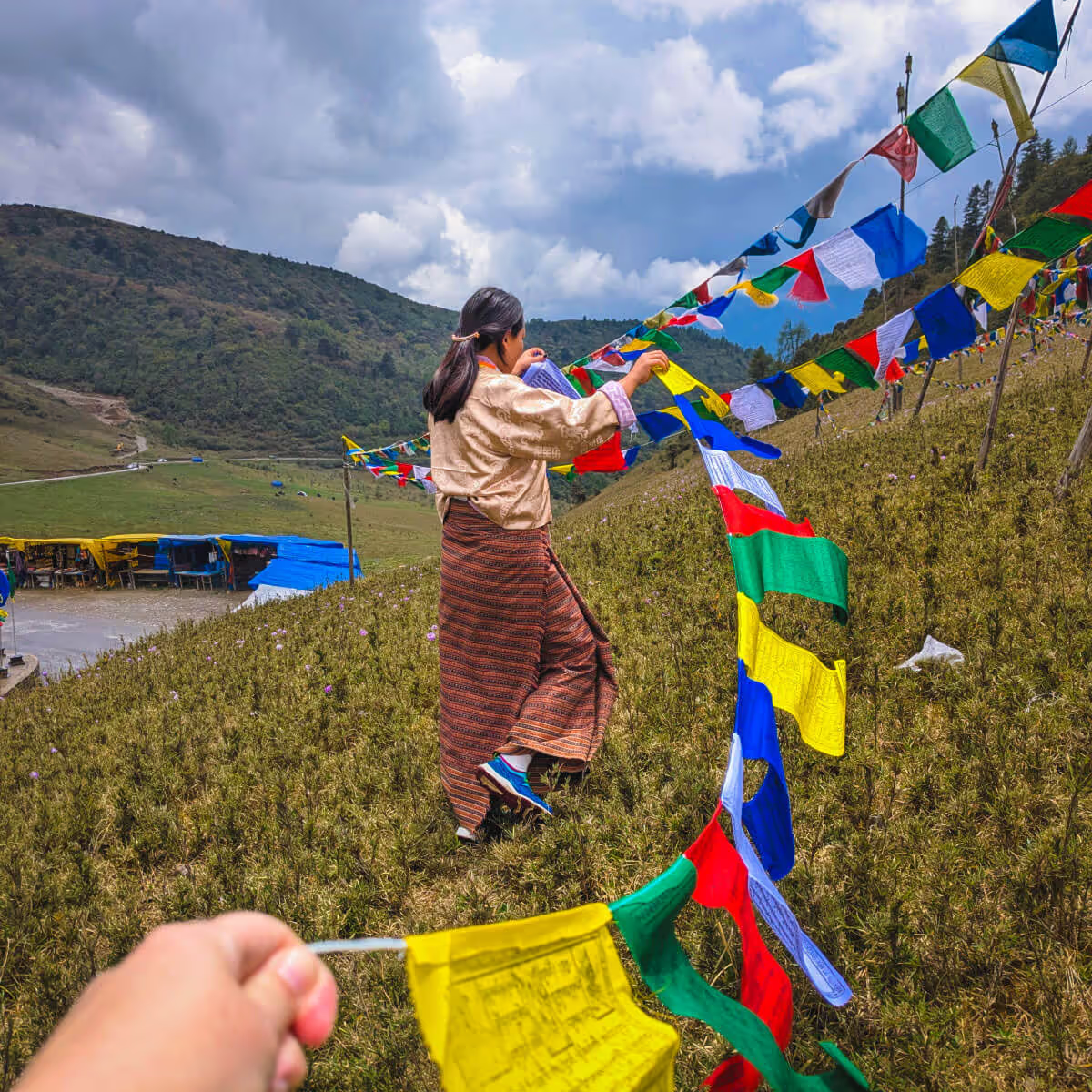
Before leaving the highlands, hoist prayer flags at a carefully selected location with guidance from your Raven guide.
Continue into the warmer Punakha Valley. After lunch, cross the prayer-flag-covered suspension bridge above the Pho Chhu River and visit Punakha Dzong, built at the confluence of the Pho Chhu and Mo Chhu rivers.
Walking: Approximately 4 km
Difficulty: Easy
Overnight: Punakha countryside stay
Begin with the hike to Khamsum Yulley Namgyal Chorten.
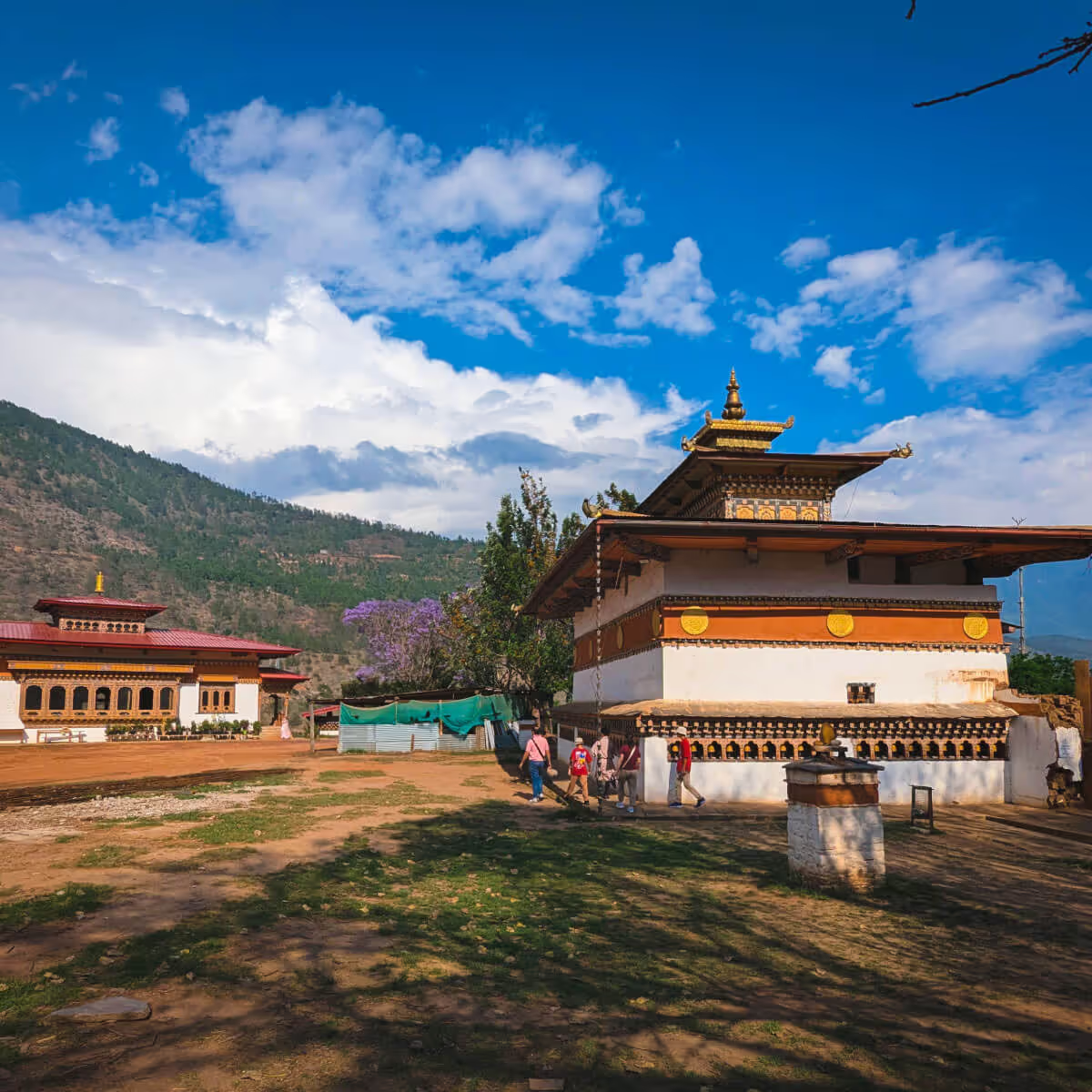
Walk through terraced fields, small farms and riverside countryside before climbing to the hilltop temple. From the upper levels, enjoy broad views across the Mo Chhu Valley and surrounding mountains.
After descending, pause for refreshments beside the river before beginning your private rafting experience.
Depending on conditions and your preferred level of adventure, choose between a calmer scenic journey on the Mo Chhu or a more active route on the Pho Chhu. Both provide a fresh perspective on Punakha’s river landscapes.
Enjoy a relaxed riverside lunch before continuing to Neyzergang Monastery for a Raven signature experience.
Plant a young tree with the monks, light butter lamps and spend time learning about monastic life. Where the schedule allows, join prayers or take part in a personal conversation about Buddhist ideas, compassion and everyday spiritual practice.
Walking: Approximately 3 km
Difficulty: Easy to Moderate
Overnight: Punakha countryside stay
Begin with gentle morning yoga surrounded by Punakha’s hills, forests and cultivated countryside.
After breakfast, travel west towards Paro, pausing for scenic photographs, refreshments and an unhurried lunch along the route.
In Paro, explore the quieter countryside by bicycle. Follow a flexible route through the Dopshari area, passing traditional farmhouses, fields and open valley scenery. Views may include Rinpung Dzong, the airport valley and the surrounding mountain slopes.
Later, take part in a sand-mandala experience with a Bhutanese artisan. Using finely coloured sand and traditional tools, create a small sacred pattern while learning about concentration, balance and impermanence.
Continue into the peaceful Neyphu Valley and settle into your wellness retreat.
Meet a traditional Bhutanese medicine practitioner for an introductory consultation. Depending on the retreat’s assessment and your needs, a personalised treatment, herbal therapy, meditation or gentle movement session may be recommended.
Cycling: Approximately 1 hour
Difficulty: Easy to Moderate
Overnight: Paro wellness retreat
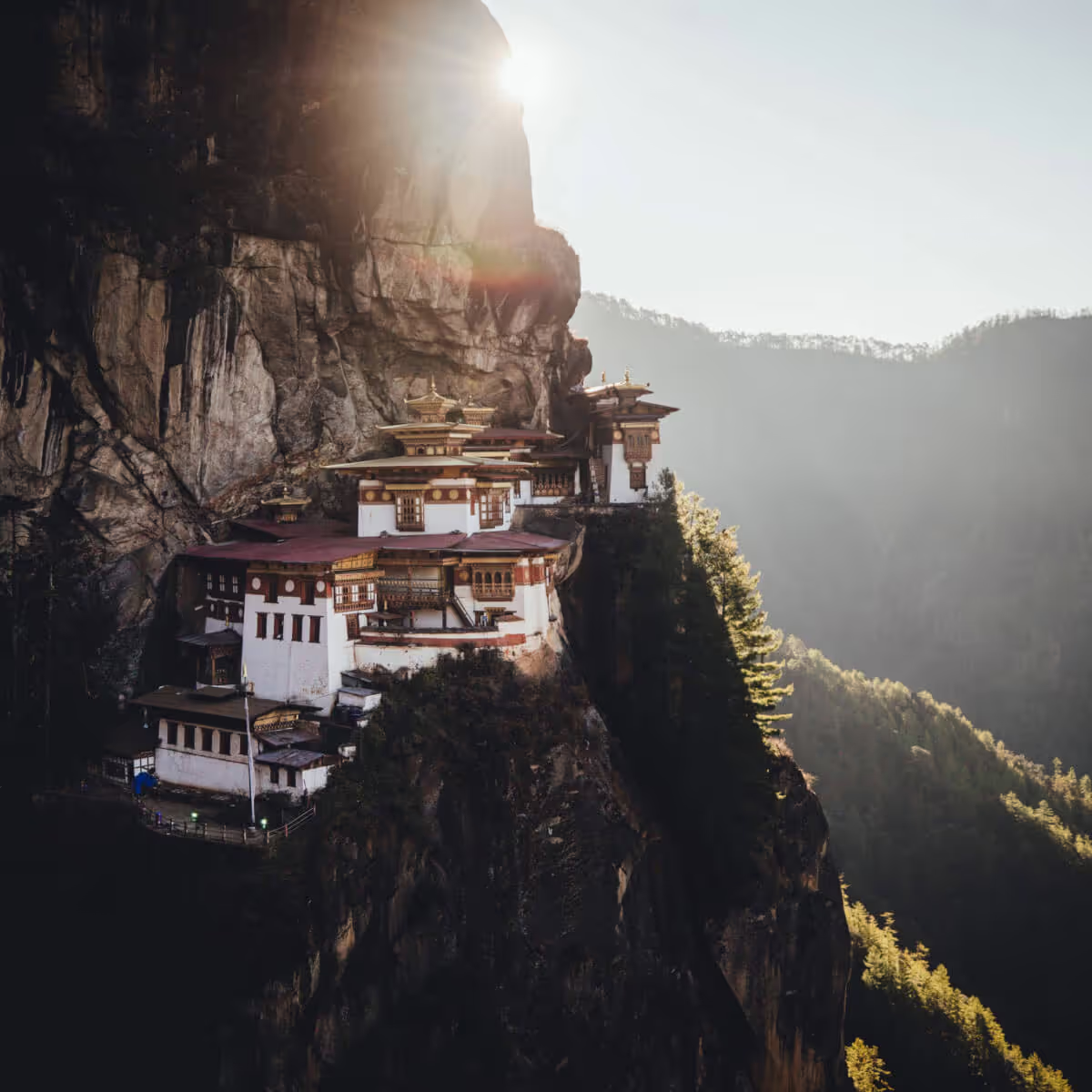
Begin early for the hike to Paro Taktsang, widely known as Tiger’s Nest Monastery.
The trail climbs through pine forest, passing prayer wheels and viewpoints overlooking Paro Valley. Stop at the halfway cafeteria for tea, photographs and rest before continuing to the monastery complex built dramatically into the cliff.
Explore its temples and learn about Guru Rinpoche, the sacred legends associated with the site and its importance in Bhutanese Buddhism.
Descend at a steady pace and return for a relaxed afternoon.
Following the hike, enjoy a personalised wellness treatment based on the earlier traditional medicine consultation. This may include an herbal massage, hot-oil therapy, steam, meditation or another suitable treatment offered by the retreat.
Conclude your final evening with a thoughtfully prepared meal and quiet time overlooking Neyphu Valley.
Walking: Approximately 6.5 km round trip
Elevation Gain: Approximately 520 metres
Duration: Around 5–7 hours, depending on pace
Difficulty: Moderate to Challenging
Overnight: Paro wellness retreat
Enjoy breakfast and a final quiet morning before your private transfer to Paro International Airport.
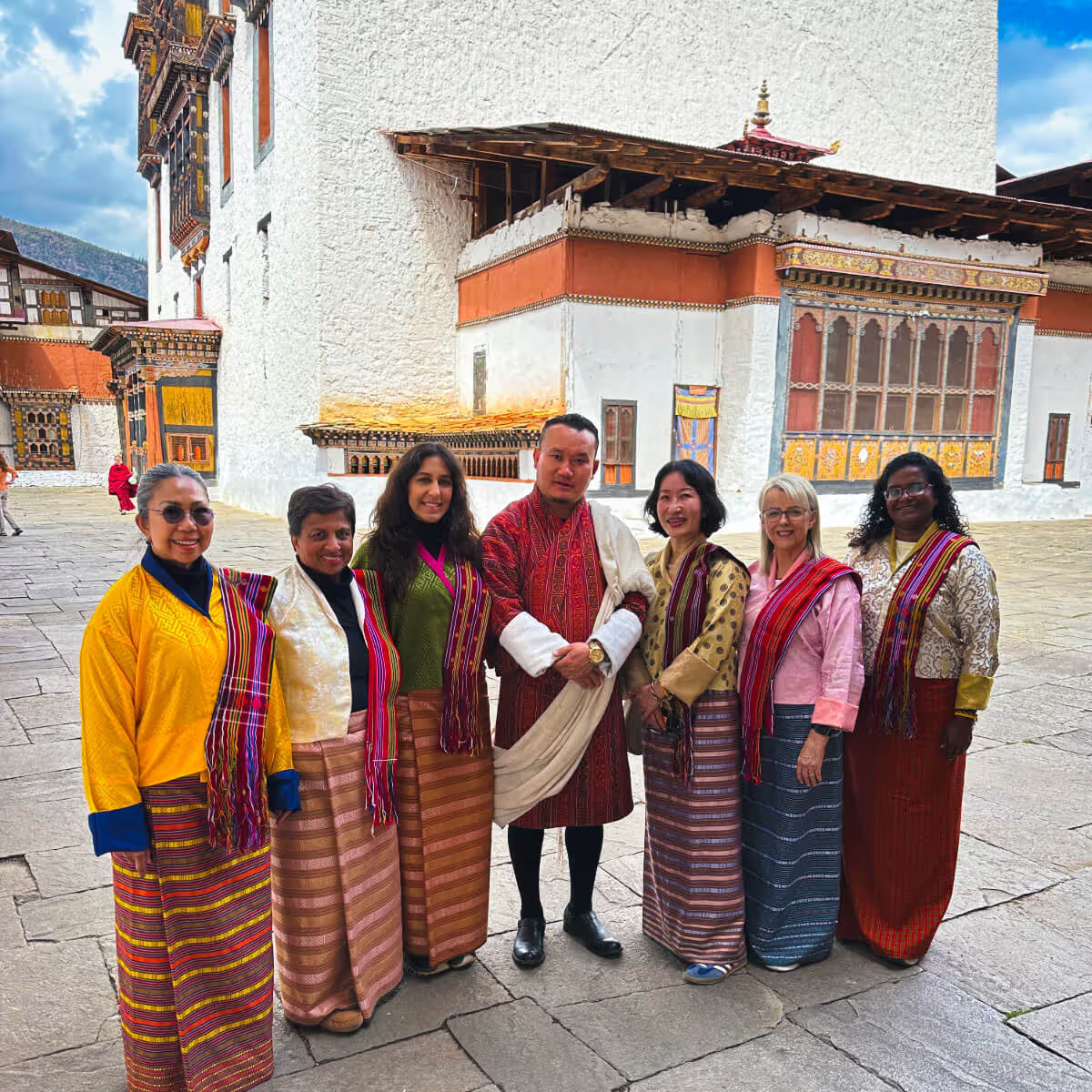
Your Raven guide and chauffeur will assist with your departure and bid you farewell after a journey shaped by living traditions, highland landscapes, riverside heritage, sacred art and Bhutanese approaches to wellbeing.
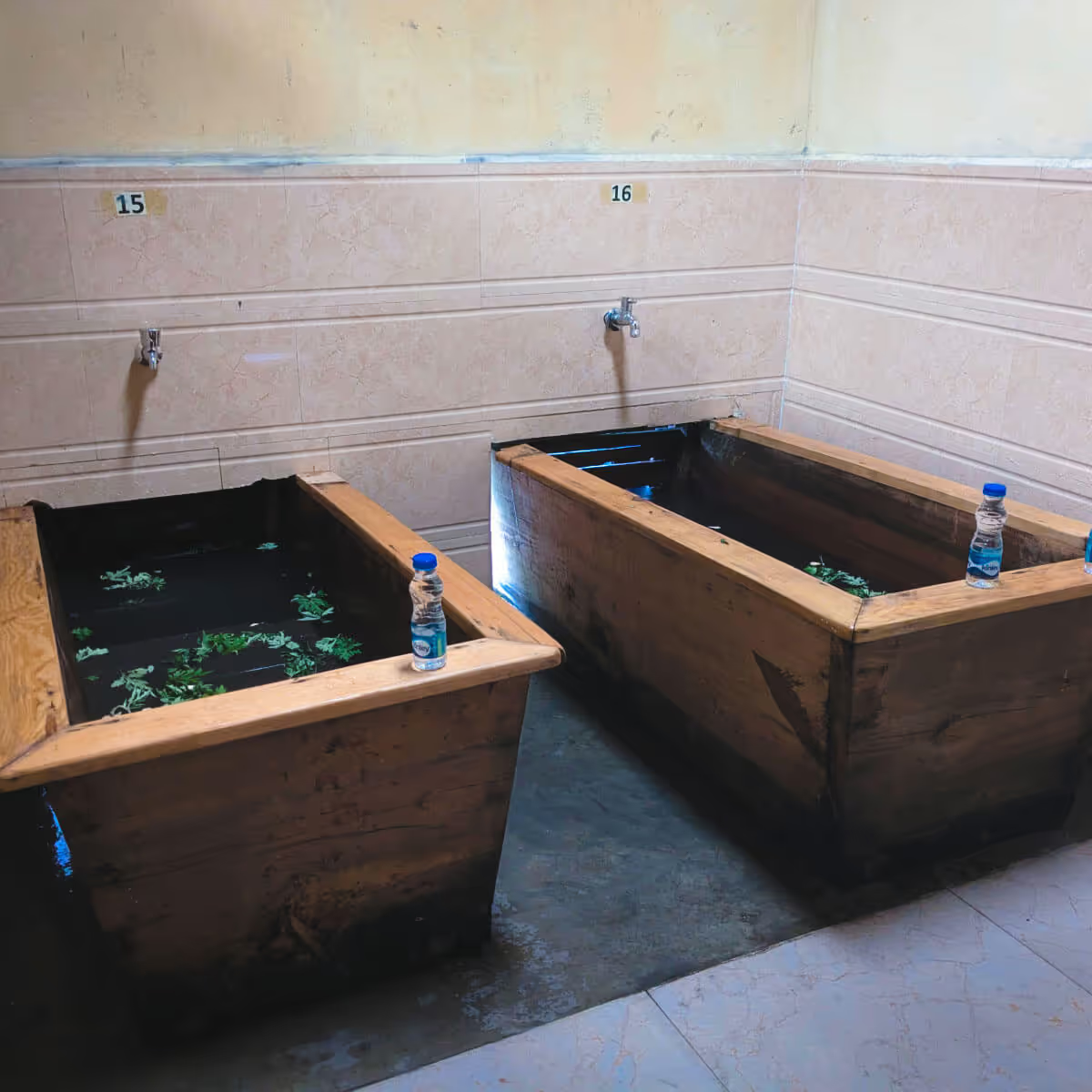
Add a traditional Bhutanese hot stone bath overlooking Phobjikha Valley, using heated river stones and locally gathered herbs. This is offered by Gangtey Lodge but should remain optional unless included in the final stay arrangement.
Arrange a private meditation or a deeper discussion with a qualified Buddhist teacher, subject to availability.
Spend time in a village kitchen preparing Bhutanese dishes with a local host. This should be added only when the day can be extended without reducing the Neyzergang experience.
Extend the wellness programme with another traditional treatment, yoga practice or meditation session according to the practitioner’s recommendations.
This itinerary uses luxury to create comfort, privacy and a stronger sense of place.
The selected stays differ in character rather than following a single international hotel style. One brings you into Bhutan’s small capital, another overlooks Phobjikha’s rural highlands, and the final retreat centres its experience on Bhutanese wellbeing.
The journey still includes local restaurants, village landscapes, traditional arts, monks, markets and outdoor experiences. This ensures that the accommodation enhances your connection with Bhutan rather than becoming the only focus of the trip.
Final properties and included treatments remain subject to availability and will be clearly stated in your personalised proposal.

Luxury takes a different form in each part of this journey.
In Thimphu, it means refined comfort within walking distance of the capital’s culture, markets and contemporary life.
In Phobjikha, it means warming fires, generous valley views and the silence of a protected highland landscape.
In Punakha, it becomes countryside hospitality, organic surroundings and access to rivers, farms and monasteries.
In Paro, luxury slows down further through traditional medicine, personalised wellness, sacred art and time to recover after Tiger’s Nest.
Together, the four valleys create a journey where comfort is never separated from culture or place.